
Diseases
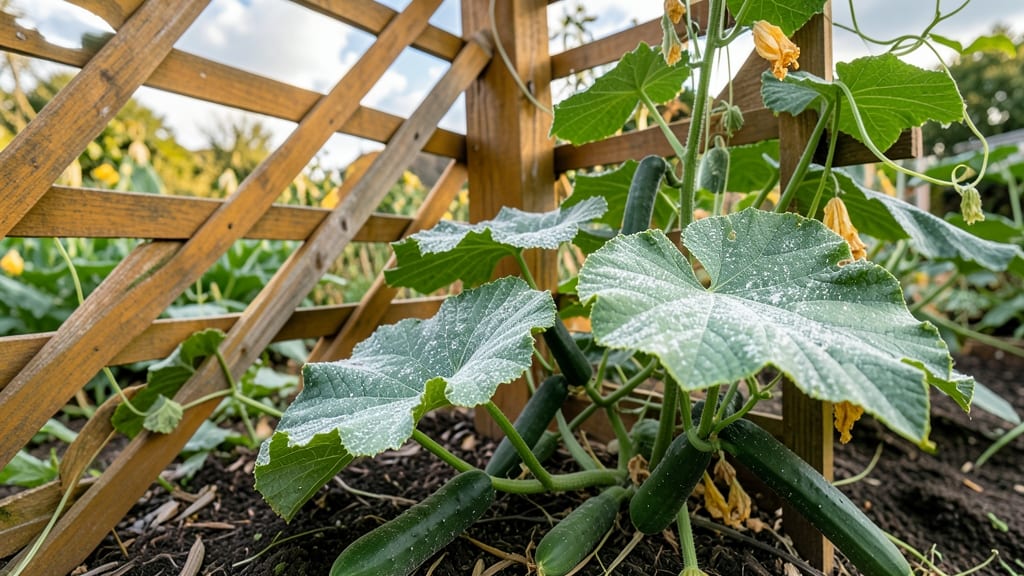
White mold turning your cucumber vines into a ghostly mess? 🌱 I’ve saved dozens of plants from this sneaky fungus by following three simple steps—and you can too, without losing your whole harvest.
The problem starts with thick white fungal growth on leaves and stems, often paired with yellowing and wilting. Humidity and poor air circulation create the perfect breeding ground, but the good news? You can fix it fast with basic tools and a little elbow grease.
By removing infected plants, spacing vines properly, and adjusting watering habits, you’ll see fresh green growth within days. The key is acting before the mold spreads—once it takes hold, recovery gets trickier. This method works for both organic and conventional gardeners, no matter your space.
Let’s get those vines thriving again!
What Triggers White Fungal Growth
Understanding why white mold appears on cucumber vines is the first step to stopping it before it spreads. This fungal disease—often caused by Sclerotinia sclerotiorum or Botrytis cinerea—doesn’t just appear out of nowhere.
It thrives when specific conditions align, turning your healthy plants into a fungal buffet. Let’s break down the real culprits and how they create the perfect storm for white mold.
White mold loves damp, stagnant air like a vampire loves garlic-free meals. When humidity stays above 70% for prolonged periods, fungal spores wake up and get to work. Poor airflow—common in dense plantings or crowded greenhouses—traps moisture near leaves and stems, giving the fungus a cozy, high-moisture environment to colonize.
Why it matters:
- Spores germinate when moisture lingers on plant surfaces.
- Stagnant air prevents evaporation, keeping conditions ideal for fungal growth.
- Nighttime dew (especially in greenhouses) can be a ticking time bomb if not managed.
Actionable fix: 🌬️ Space plants 18–24 inches apart, use fans to improve circulation, and avoid overhead watering.
Cucumbers need consistent moisture, but soggy soil is an open invitation for white mold. When roots sit in waterlogged conditions, the fungus finds easy access to plant tissues through wounds or natural openings (like stomata). Even excess surface moisture from improper irrigation can create fungal hotspots on leaves and stems.
Why it matters:
- Anaerobic soil (lack of oxygen) weakens plant defenses.
- Splashing water spreads spores from infected debris to healthy plants.
- Slow-draining soil keeps moisture levels dangerously high for days.
Actionable fix: 💧 Water at the base early in the day, improve drainage with compost or raised beds, and avoid mulching too thickly near stems.
White mold doesn’t just attack healthy cucumbers—it targets weakened plants. Physical damage (from hail, insects, or rough handling) or stress (nutrient deficiencies, extreme heat, or transplant shock) creates entry points for the fungus. Once inside, it spreads rapidly, forming those telltale white, cottony patches.
Why it matters:
- Open wounds provide direct access for spores.
- Stressed plants produce less protective compounds (like phenolics) that normally repel fungi.
- Older leaves (with more stomata) are prime targets for infection.
Actionable fix: 🛡️ Use row covers to protect from pests, ensure balanced fertilization (especially potassium and phosphorus), and remove damaged foliage immediately.
Fungal spores are sneaky survivors—they can hitchhike on pruners, gloves, or even old plant debris left in the soil. If you’ve had white mold before, spores may linger in soil, compost, or garden tools, ready to reinfect the next crop.
Even infected plant material left on the ground can release spores into the air.
Why it matters:
- Spores persist in soil for years, especially in cool, moist conditions.
- Reusing contaminated tools spreads the fungus like wildfire.
- Crop rotation failures (planting cucumbers in the same spot annually) exhaust soil defenses.
Actionable fix: 🧼 Sterilize tools with 70% isopropyl alcohol, remove all plant debris at season’s end, and rotate crops with non-susceptible plants (like beans or tomatoes).
While white mold isn’t a cold-weather disease, it peaks in cool (50–75°F) but humid conditions. If daytime temps are warm but nights dip below 60°F, the fungus thrives while your plants struggle to dry off. This mismatch creates the perfect "Goldilocks zone" for infection.
Why it matters:
- Slow evaporation at night keeps leaves damp longer.
- Cooler temps reduce plant resistance to fungal invasion.
- Greenhouse heaters (if set too low) can create ideal fungal conditions.
Actionable fix: 🌡️ Use a thermometer to monitor nighttime temps, improve ventilation in greenhouses, and avoid watering in the evening.
Quick Fixes for Fungal Foes
Fungal infections like white mold on cucumbers can feel like a garden nightmare, but don’t let it stress you out! With the right approach, you can revive your vines and keep your harvest thriving.
Below are practical, step-by-step solutions tailored to the root causes—plus prevention tips to stop it from coming back. Let’s get your cucumbers back in fighting shape!
Cause: Fungal spores spread when diseased leaves or stems stay on the plant. Fix:
- 🔪 Snip and toss – Use sterilized pruners (wipe with rubbing alcohol) to cut off yellowed, spotted, or moldy leaves and stems—don’t leave them near the plant. Dispose of them in the trash (not compost!).
- 🌬️ Improve airflow – Thin out crowded vines so sunlight and air can circulate. Aim for 6–12 inches of space between plants.
- 🚿 Water at the base – Avoid wetting leaves (especially in the evening). Use a soaker hose or drip irrigation to keep foliage dry.
💡 Pro Tip: If mold appears on fruit, harvest it immediately—it won’t improve, but removing it prevents further spread.
Cause: Fungal spores thrive in damp conditions, and without intervention, they multiply rapidly. Fix:
🌿 Organic Remedies (Safe for Edibles)
| Treatment | How to Use | Frequency |
|---|---|---|
| Baking soda spray | Mix 1 tsp baking soda + 1 tbsp oil + 1 tsp dish soap in 1 quart water. Spray evenly on leaves (avoid fruit). | Every 7–10 days |
| Neem oil | Combine 1 tbsp neem oil + 1 tsp mild soap in 1 quart water. Spray at dawn/dusk to avoid burning leaves. | Every 5–7 days (rotate with copper) |
| Copper fungicide | Follow label instructions (e.g., Bordeaux mixture or copper soap). Spray preventively before rain. | Every 2–3 weeks |
| Hydrogen peroxide | Mix 1 tbsp 3% H₂O₂ per quart water. Spray directly on mold spots (test on a small leaf first). | Every 5 days (not for long-term use) |
🧪 Chemical Fungicides (For Severe Cases)
- Chlorothalonil (e.g., Daconil) – Spray weekly until symptoms disappear, then every 2 weeks as prevention.
- Mancozeb – Effective for resistant strains; follow 7-day harvest interval before eating treated fruit.
⚠️ Warning: Always rotate treatments to prevent fungus from building resistance. Wear gloves and a mask when handling chemicals.
Cause: High humidity, poor drainage, and overwatering create the perfect fungal buffet. Fix:
- 💧 Water wisely –
- Morning is best (leaves dry by night).
- Avoid overhead watering—use drip irrigation or mulch (straw or grass clippings) to retain moisture in soil, not on leaves.
- ☀️ Maximize sunlight –
- Place cucumbers in full sun (6+ hours/day).
- If growing in shade, prune lower leaves to improve airflow.
- 🌱 Improve soil drainage –
- Amend soil with compost or perlite to prevent waterlogging.
- Raise beds if your garden sits in a low spot.
🎯 Prevention Power Move: Crop rotation—don’t plant cucumbers (or other cucurbits like squash) in the same spot for 3 years to break the fungus life cycle.
Cause: Weak or stressed plants are easier targets for fungi. Fix:
- 🌱 Fertilize smartly –
- Use a balanced fertilizer (10-10-10) at planting, then switch to low-nitrogen, high-phosphorus (5-10-10) when vines start running.
- Avoid over-fertilizing—too much nitrogen = soft, mold-loving growth.
- 🍄 Boost beneficial microbes –
- Sprinkle mycorrhizal fungi or compost tea around the base to outcompete bad fungi.
- 🐞 Encourage predators –
- Ladybugs, lacewings, and predatory mites eat fungal spores. Attract them with dill, fennel, or marigolds nearby.
If 50%+ of the plant is infected or mold keeps returning despite treatments:
- 🗑️ Remove the entire plant (including roots) and sterilize the area with a bleach solution (1 part bleach to 10 parts water).
- Wait 4–6 weeks before replanting cucumbers in that spot.
🔥 Final Victory Tip: Monitor daily—catch white mold early, and your cucumbers will bounce back faster. Once you’ve got the hang of it, you’ll be fungus-free and harvest-ready in no time! 🥒✨
Frequently asked questions
What does cucumber white mold look like at first?
Early signs start with small, white, fuzzy spots on the undersides of leaves—often near the stems. These patches grow quickly into thick, cottony webs that may turn gray or brown. Check for yellowing leaves or wilting vines too, as these often appear before the mold becomes visible.
Can I still eat cucumbers if white mold appears on the fruit?
Harvest any moldy cucumbers immediately—they won’t improve, but removing them stops the fungus from spreading. If only the stem end shows signs, cut off the infected portion (about 1 inch) and save the rest. Never eat fruit with visible white growth or soft spots.
Will rain make white mold worse?
Rain creates the perfect conditions for spores to spread, especially if humidity stays above 70% for more than 24 hours. To protect your plants, water at the base in the morning, use row covers during forecasts, and improve airflow between vines to help leaves dry faster.
How long does it take for treatments to work?
With proper care, you’ll see improvement in 3–7 days, but severe cases may take 2–3 weeks to fully recover. Start with pruning infected leaves, then apply fungicides (organic or chemical) consistently. Monitor daily—new growth should appear within 5–7 days if the root system is healthy.
Can I reuse last year’s compost if my cucumbers had white mold?
No—compost made from infected plant material can harbor fungal spores for years. Instead, use only fresh compost (from non-infected plants) or sterilize old compost by heating it to 140°F for 30 minutes. For next season, rotate crops and avoid planting cucumbers in the same spot for 3 years.