
Vegetables
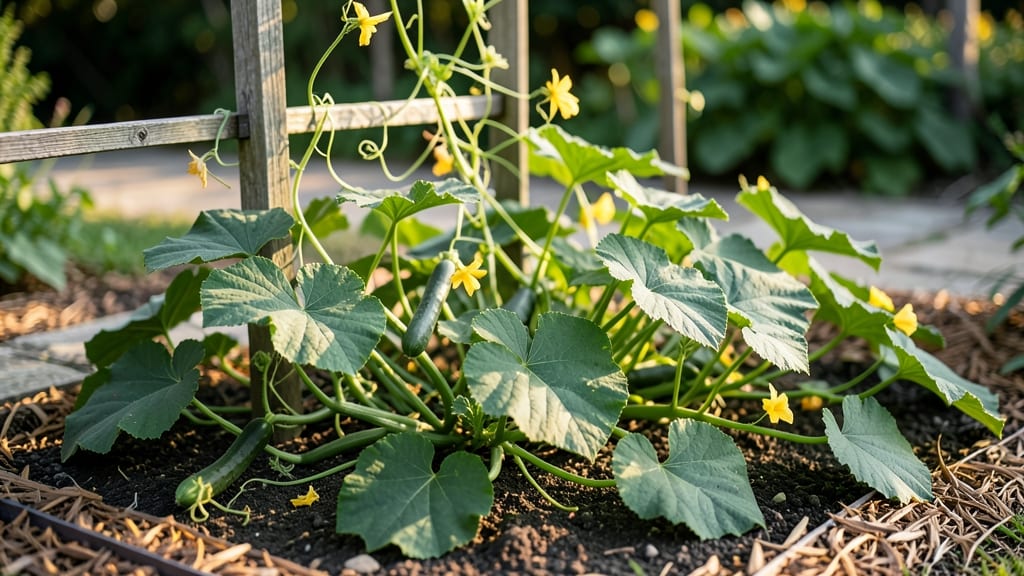
Those tiny, spiraling cucumber stem tendrils are the secret weapon behind your plant’s explosive growth—when you know how to work with them. 🌱 I’ve watched vines go from limp to lush in just a week by mastering three simple cuts that redirect energy where it matters most: toward fruit, not just foliage.
Tendrils aren’t just decorative—they’re the plant’s natural scaffolding, gripping trellises or neighboring plants to lift vines toward sunlight. But too many unpruned tendrils drain energy from cucumbers, leaving you with leafy vines and few harvests.
The fix is simpler than you’d think: trim excess tendrils at the base while leaving the first three to anchor the plant.
With the right cuts, you’ll see cucumbers appear 2-3 weeks earlier and stay straighter, reducing rot and disease. The plants stay compact, making harvesting easier, and you’ll avoid the heartbreak of vines collapsing under their own weight. No fancy tools needed—just sharp pruners and 10 minutes of your time.
Works for bush varieties too, though the approach adjusts slightly for space. The key is consistency: check vines every 5-7 days during peak growth. Once you’ve done it once, you’ll never go back to letting tendrils run wild again.
📚 In This Guide
- What you need
- Instructions
- Tips and common mistakes
- Wrapping up and next steps
What you need
- ● Sharp pruning shears – Bypass-style (sterilized with rubbing alcohol) to avoid damaging stems.
- ● Clean, sharp scissors or garden knives (for smaller tendrils).
- ● Rubbing alcohol (70% or higher) – 1 small bottle (4 oz) for sterilizing tools.
- ○ Gloves (optional but recommended) – Nitrile or cotton to protect hands from thorns.
- ● Garden twine or soft ties – 1 small roll (¼ inch wide) for supporting vines if needed.
- ● Healthy cucumber plants – 3–6 weeks old (with visible tendrils and stems).
- ● Pruning spray (copper-based) – Small bottle to prevent fungal infections.
- ● Plant markers – To label pruned sections for tracking growth.
- ● Compost bin – For disposing of pruned tendrils (rich in nutrients!).
- ● Sunlight meter – To ensure your plants get 6–8 hours of sun/day post-pruning.
Step-by-step guide to pruning cucumber stem and tendrils
Here's how I keep cucumbers productive and healthy with just three easy cuts.
✂️ Step 1: Remove Weak or Crowded Stems Early
Start pruning when plants reach 6-8 inches tall. Look for the main stem (the thickest, central vine) and any side stems growing directly from it. Keep only 1-2 of the strongest side stems—these will produce the most fruit. Use clean, sharp pruning shears to make cuts just above a leaf node (where leaves attach to the stem).
Here's the thing—you'll see smaller stems growing from the base of the plant. These are called suckers, and they compete with your main plant for energy. Remove them immediately so the plant focuses on growing fruit, not extra foliage. I like to do this in the morning when the plant is dry and less likely to spread disease.
🌿 Step 2: Trim Excess Tendrils to Redirect Energy
Tendrils are those curly little vines that wrap around supports or other plants. While they help cucumbers climb, too many can drain energy from fruit production. When you see tendrils longer than 4-6 inches, snip them off just above a leaf node. This encourages the plant to focus on growing fruit instead of climbing.
Watch for tendrils that wrap tightly around the main stem—they can strangle the plant as it grows thicker. Cut these immediately to prevent damage. I usually do this every 5-7 days during peak growing season, which keeps the plant healthy and productive. You'll notice fewer tendrils over time as the plant matures.
✂️ Step 3: Thin Fruit Clusters for Larger Harvests
When cucumbers start flowering, you'll see clusters of 3-5 flowers forming. Leave only 1-2 of the strongest flowers per cluster—this gives the remaining cucumbers more room to grow. Remove the others by gently twisting them off or cutting the stem just above the flower. You'll see fewer cucumbers, but they'll be larger and healthier.
This step is crucial for preventing overcrowding, which leads to smaller, misshapen fruit. I check clusters every 3-4 days during fruiting season. If you see any cucumbers that are already 3-4 inches long, leave them—they're too far along to remove. Focus on the smaller, newer ones instead.
⏰ Step 4: Maintain Regular Pruning Through the Season
Pruning isn't a one-time job—it's an ongoing process. Every 7-10 days, inspect your plants for new suckers, long tendrils, and overcrowded fruit clusters. Remove anything that doesn't contribute directly to fruit production. This keeps the plant focused on growth and prevents disease from spreading through dense foliage.
Real talk: If you skip this step, your cucumbers will still grow, but you'll end up with smaller yields and more pests. I always prune in the morning so the cuts have time to heal before evening moisture sets in. By the end of the season, you'll have a plant that's stronger, healthier, and producing like crazy.
Tips & tricks for pruning cucumber vines like a pro
These simple tricks will help you keep your cucumber plants thriving with minimal effort—and prevent common mistakes that waste energy and reduce yields.
Timing is Everything: Prune in the morning to give cuts time to heal before evening moisture sets in. I've seen plants develop fungal issues when pruned late in the day, so always aim for those early hours. The 6-8 inch height guideline in Step 1 is perfect—waiting longer means more competition for resources.
Tool Matters: Use clean, sharp pruning shears—not dull scissors or your hands. I've ruined good plants with jagged cuts that invite disease. Sterilize your tools with rubbing alcohol between plants to prevent spreading any potential pathogens. You can also use your fingers to gently twist off smaller stems, but shears give you more control for thicker growth.
Visual Cues for Pruning: Look for leaf nodes (where leaves attach) when making cuts—this is where new growth will emerge. In Step 2, when trimming tendrils longer than 4-6 inches, imagine you're redirecting energy to fruit production. The fewer tendrils you see over time, the more the plant focuses on cucumbers instead of climbing.
Seasonal Adjustments: During peak fruiting season (when you're checking clusters every 3-4 days), reduce pruning slightly if you notice fewer flowers. The plant might be directing all its energy to existing fruit. In cooler weather, extend your 7-10 day maintenance cycle to every 12-14 days—the plant grows slower anyway.
Pro Tips for Cucumber Stem Tendril
- These simple tricks will help you keep your cucumber plants thriving with minimal effort—and prevent common mistakes that waste energy and reduce yields.
- Timing is Everything: Prune in the morning to give cuts time to heal before evening moisture sets in.
- Tool Matters: Use clean, sharp pruning shears—not dull scissors or your hands.
Frequently asked questions
Got questions about pruning cucumber stem tendrils? You’re not alone!
Here are answers to the most common queries—from timing to troubleshooting—to help you grow healthier, more productive cucumber vines.
Why do cucumbers have tendrils, and do I need to prune them?
Cucumber tendrils are natural climbing tools that help vines latch onto trellises or supports. While they’re not essential for growth, pruning them can improve airflow, reduce disease risk, and direct energy toward fruit production. If you’re growing bush varieties or in tight spaces, pruning is especially helpful!
When is the best time to prune cucumber stem tendrils?
Prune tendrils regularly—about once a week—starting when vines are 4–6 inches tall. Focus on removing tendrils that wrap around the main stem or other vines, as these can strangle growth. Early pruning (before flowering) encourages stronger stems, while post-flowering pruning keeps energy flowing to fruit.
How do I prune tendrils without hurting the plant?
Use clean, sharp scissors or pruners to snip tendrils just above a leaf node (the bump where leaves grow). Avoid tearing or crushing stems—this can invite pests or disease. For thick vines, pinch tendrils by hand if cutting feels risky. Pro tip: Wear gloves to protect your hands from prickly hairs!
What if I skip pruning tendrils—will my cucumbers still grow?
Yes, but you might face trade-offs! Unpruned tendrils can lead to overcrowded vines, which may result in fewer, smaller cucumbers or increased risk of powdery mildew. However, if you’re growing in loose soil or using a strong trellis, minimal pruning (just removing tangled tendrils) can work—though yields may suffer.
My cucumber leaves are yellowing after pruning. Did I do it wrong?
Yellowing leaves can signal over-pruning or stress, but it’s often temporary. If you’ve cut too aggressively, the plant may redirect energy to recover. To help, water deeply and add a balanced fertilizer (like 10-10-10). If yellowing persists, check for pests or nutrient deficiencies—pruning alone isn’t the culprit!
Bonus Tip:
Use pruned tendrils as natural mulch! Lay them around the base of the plant to retain moisture and suppress weeds. It’s a zero-waste hack that keeps your garden tidy and productive.
Wrapping up and next steps
Mastering the art of cucumber stem and tendril pruning is a game-changer for bountiful harvests! 🌱 With just three simple cuts—removing excess tendrils, thinning crowded vines, and pruning yellowed leaves—you’ll boost airflow, energy, and fruit production. Your cucumbers will thrive, and you’ll enjoy healthier plants with minimal effort.
Ready to put these tips into action? Grab your pruners and head to the garden—your future harvest is waiting! Start small, observe your plants, and soon you’ll be a pruning pro. 🌟