
Planting
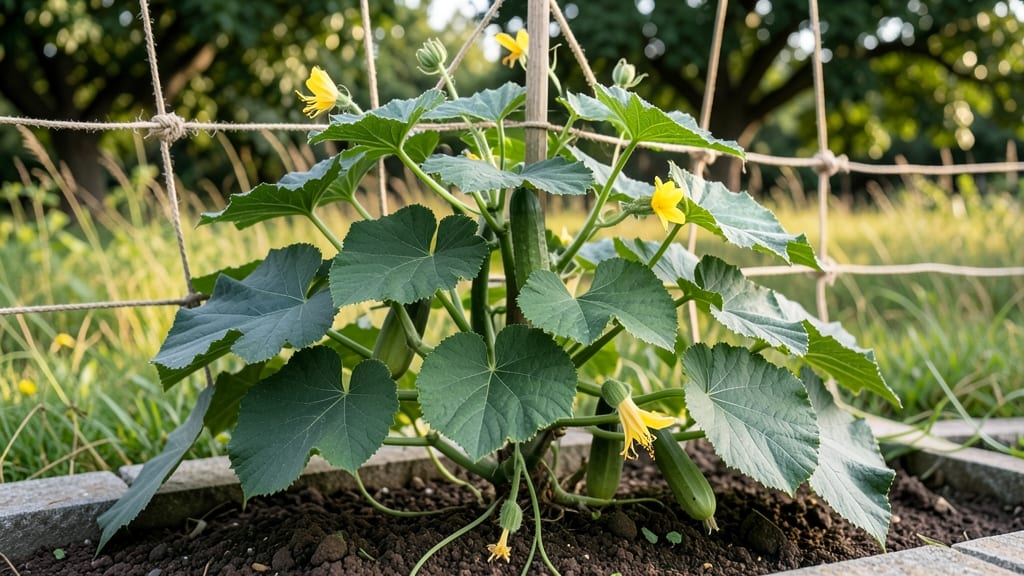
See your cucumber plant stages pictures unfold from delicate sprouts to lush vines—this guide turns each phase into an easy, eye-catching lesson. 🌱 The moment you spot those first leaves, you’ll know exactly what healthy growth looks like and what to watch for (spoiler: wilted seedlings mean overwatering).
I've tracked cucumbers from seed to harvest for years, and these stages become second nature once you recognize the patterns.
Each phase has its own telltale signs: the fuzzy first leaves, the moment male flowers appear (they're the key to pollination), and the telltale bumps where fruit will form.
You'll learn to spot common issues early—yellowing leaves mean nutrient problems, while powdery white spots signal disease. The visual cues make troubleshooting effortless, even for beginners.
By harvest time, you'll be picking crisp cucumbers straight from the vine, knowing exactly which varieties produce best in your climate. The guide includes timing estimates so you can plan ahead—from germination to first harvest in just 50-70 days for quick varieties.
No more guessing whether your plants are thriving or struggling.
Perfect for gardeners who want to see progress week by week, with practical tips for each stage. Whether you're growing in ground or containers, this visual approach makes cucumber growing foolproof. Let's get those seeds planted!
📚 In This Guide
- What you need
- Instructions
- Tips and common mistakes
- Wrapping up and next steps
What you need
- ● Seeds: Non-GMO cucumber seeds (e.g., Slicing, Pickling, or Bush varieties); 5–10 seeds per pot or row.
- ● Containers or Garden Bed: For container gardening: 5-gallon pots or larger (1–2 plants per container) with drainage holes.
- ● For in-ground planting: Well-draining soil in a sunny spot (6–8 hours of sunlight daily).
- ● Potting Mix: Sterile, well-draining soil (e.g., 50% potting mix + 50% compost) or garden soil amended with compost.
- ● Fertilizer: Balanced fertilizer (10-10-10) or compost for planting.
- ● Low-nitrogen fertilizer (e.g., 5-10-10) for flowering/fruiting stages.
- ● Watering Can or Hose: With a gentle spray nozzle to avoid disturbing seedlings.
- ○ Trellis or Cage (Optional but Recommended): For vining varieties: 6–8 ft tall trellis or cucumber cage to support growth.
- ● Mulch: Straw or shredded leaves (2–3 inches thick) to retain moisture.
- ● Seedling Heat Mat: For indoor starts (keeps soil at 70–90°F).
- ● Grow Lights: If starting seeds before last frost (12–16 hours of light daily).
- ● Plant Tags: To track varieties and planting dates.
- ● Pruning Shears: For trimming excess vines or yellow leaves.
- ● Row Covers: Lightweight fabric to protect young plants from pests.
- ● pH Test Kit: Ensures soil pH is 6.0–6.8 (ideal for cucumbers).
Visual guide to cucumber plant stages from seed to harvest
Here's how to recognize each growth phase so you know exactly what to expect—and when to take action.
🌱 Step 1: Germination and First True Leaves
After sowing seeds ½ inch deep in warm soil (70-80°F), germination typically occurs in 5-10 days. You'll see tiny white sprouts pushing through the soil first—these are the cotyledons, not true leaves. They look like two plump, rounded leaves hugging the stem.
Once the cotyledons unfurl, water lightly to keep the soil damp but not soggy. The next stage arrives when the first true leaves appear—these are smaller, jagged-edged leaves that look like miniature versions of mature cucumber foliage. This usually happens 10-14 days after germination, and you'll notice the plant's stem thickening noticeably.
Real talk: If seedlings look leggy and pale at this stage, they're stretching for light. Move them within 4 inches of a grow light immediately or they'll never recover proper strength.
🌿 Step 2: Vine Development and Flower Formation
About 3-4 weeks after germination, your cucumber plant will start putting serious energy into vine growth. You'll see long, trailing stems with 5-7 inch leaves that develop the classic serrated edges. This is when cucumbers need support—install trellises or cages now before vines get heavy.
The most exciting change happens when you spot tiny yellow flowers along the vines. These appear 4-6 weeks after planting and mark the plant's shift from vegetative to reproductive growth. Male flowers (with long stems) come first, followed by female flowers (with tiny cucumbers forming at their base). Watch for this: female flowers have a tiny bump at their base where the fruit will develop.
Here's the thing—if you see flowers but no fruit after 2 weeks, hand-pollinate by gently brushing stamens with a paintbrush or tapping the flowers lightly. Some varieties need this extra help, especially in indoor growing.
☀️ Step 3: Fruit Set and Early Growth
Once pollination succeeds, you'll notice ¼-inch cucumber bumps forming at the base of female flowers. These grow rapidly—expect 1-inch cucumbers within 7-10 days of pollination. At this stage, the plant needs 1-2 inches of water per week and consistent full sun (6+ hours daily) to support fruit development.
You'll know the plant is thriving when it produces multiple 3-4 inch cucumbers simultaneously. This is also when you should start harvesting regularly—removing mature cucumbers encourages more production. The plant's leaves will look full and dark green, with new flowers appearing continuously along the vines.
Don't skip this: If cucumbers start yellowing or developing bitter flavors, they're overripe. Harvest at 6-8 inches long for best taste and texture. Pick in the morning when fruit is coolest and firmest.
⏰ Step 4: Peak Production and Maintenance
During peak production (6-8 weeks after flowering), your cucumber plant may produce 5-10 cucumbers weekly under ideal conditions. You'll recognize this stage by the plant's dense foliage and continuous flower blooms. At this point, focus on consistent watering—keep soil evenly moist but never waterlogged, as soggy conditions invite disease.
Watch for the plant's energy levels: if new flowers stop appearing and existing ones drop off, it's signaling stress. This could mean too much shade, nutrient deficiency, or overcrowded vines. Prune excess leaves to improve airflow, and side-dress with compost if growth slows noticeably.
This is the moment that matters: When cucumbers start developing soft spots or dark patches, remove them immediately—they're past their prime. The plant will redirect energy to newer fruit, keeping production strong for 4-6 weeks after initial flowering.
Tips & tricks for perfect cucumber growth stages
These practical insights will help you navigate each cucumber plant phase like a seasoned gardener.
Soil Temperature Secret: Maintain that 70-80°F soil temperature range during germination—colder soil slows sprouting while warmer soil prevents rot. I've found using a seedling heat mat set to 80°F speeds up germination from 10 days to just 5-7 days in cooler climates. This is especially helpful if you're starting seeds indoors before the last frost.
Lighting Strategy: When seedlings appear leggy (stretched and pale) during Step 1, it's a clear sign they need more light. Move them within 4 inches of a grow light immediately—this prevents permanent weakening. I've seen seedlings recover completely within 3-5 days when given proper light, whereas neglected plants often become permanently weak. Position lights so they're just above the seedlings without touching them.
Flower Identification: The difference between male and female flowers is crucial for fruit production. Male flowers have long stems and no fruit bumps, while female flowers have that tiny cucumber bump at their base. I always check for these bumps when hand-pollinating—if you see them, you know you're targeting the right flowers for fruit development. This simple visual check saves time and frustration during pollination.
Harvesting Timing: Harvest cucumbers at 6-8 inches for peak flavor and texture. I've learned the hard way that waiting longer leads to bitter, seedy cucumbers. Morning harvests yield the freshest produce since cucumbers contain the most moisture and sweetness after overnight hydration. Always use pruning shears or a sharp knife to avoid damaging the plant's vines.
Pro Tips for Cucumber Plant Stages Pictures
- These practical insights will help you navigate each cucumber plant phase like a seasoned gardener.
- Soil Temperature Secret: Maintain that 70-80°F soil temperature range during germination—colder soil slows sprouting while warmer soil prevents rot.
- Lighting Strategy: When seedlings appear leggy (stretched and pale) during Step 1, it's a clear sign they need more light.
Frequently asked questions
Got questions about growing cucumbers from seed to harvest? Here are some of the most common ones—plus quick answers to help you along the way!
How long does it take for a cucumber plant to go from seed to harvest?
Most cucumber varieties take 50 to 70 days from seed to harvest, depending on the type (slicing, pickling, or bush vs. vining). Check your seed packet for exact timelines—some fast-maturing varieties (like Bush Champion) can produce fruit in as little as 45 days!
Why are my cucumber leaves turning yellow?
Yellowing leaves are often a sign of overwatering, nutrient deficiency (like nitrogen), or disease. Check the soil moisture—it should stay consistently damp but not soggy. If the issue persists, test soil pH (ideal: 6.0–6.8) or look for pests like spider mites. Prune affected leaves to redirect energy to healthy growth.
Can I grow cucumbers in containers, and what size pot do I need?
Cucumbers thrive in containers if given enough space. For bush varieties, a 5-gallon pot works, while vining types need at least 10–15 gallons (or a trellis to save space). Use well-draining soil and fertilize every 2–3 weeks for best results.
What can I plant alongside cucumbers to improve growth?
Cucumbers love companion plants like:
- Beans or peas (fix nitrogen in the soil)
- Marigolds (repel pests naturally)
- Dill or radishes (deter cucumber beetles)
What should I do if my cucumbers flower but don’t produce fruit?
This usually happens due to lack of pollination, extreme heat, or over-fertilizing with nitrogen. Hand-pollinate by gently shaking plants or using a small brush to transfer pollen. If temps exceed 90°F (32°C), provide afternoon shade. Switch to a balanced fertilizer (10-10-10) to encourage fruiting over leafy growth.
Wrapping up and next steps
Understanding the cucumber plant stages from seed to harvest empowers you to nurture thriving plants and enjoy a bountiful yield! 🌱 Whether you're a beginner or seasoned gardener, each phase—from germination to fruiting—offers a rewarding journey.
Now that you’ve explored the visual cues and care tips, it’s time to roll up your sleeves and put your knowledge into action.
Ready to grow? Start by selecting healthy seeds or seedlings, then follow the growth stages closely. Happy gardening—and here’s to your first crisp, homegrown cucumber! 🥒