
Container Gardens
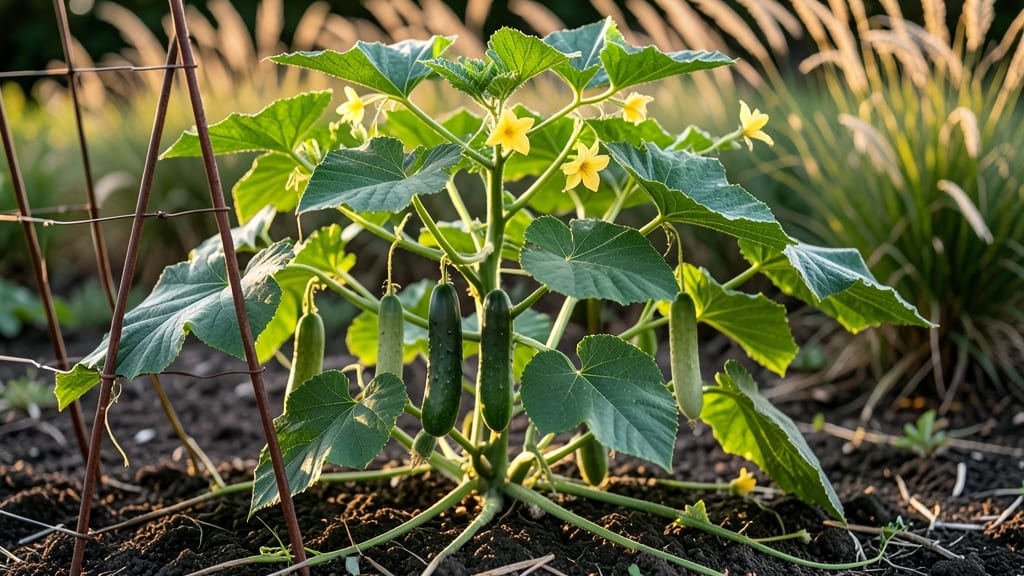
Tracking cucumber growing stages pictures reveals just how quickly those delicate sprouts turn into sprawling vines packed with crisp, homegrown rewards—if you spot the key moments. 🌱 I’ve tracked every inch of growth from seed to slicing board, and the key is recognizing those subtle (but crucial) shifts in leaf shape, vine strength, and flower color.
You’ll start with the delicate first leaves unfurling just above soil level, then see the telltale male flowers (long stems, no bulge) appear before the female flowers (tiny cucumber at the base).
That’s when the real magic begins—those female blooms mean fruit is on the way, and within 3-4 weeks, you’ll spot baby cucumbers the size of your thumb. The trick is keeping vines fed and water consistent, or those early fruits will turn bitter before they ripen.
By harvest time, your plants will be covered in glossy green vines and producing cucumbers daily if you stay on top of pruning and pollination. The best part?
You’ll know exactly when to pick them—firm, bright green, and 6-8 inches long—because you’ve watched them grow from those first wobbly seedlings. Every stage builds on the last, so let’s walk through what each one needs to keep things moving smoothly.
This works whether you’re growing in containers, raised beds, or a sunny corner of your yard. The stages look the same, but container growers just need to monitor water more closely.
I’ll show you how to spot trouble early—yellowing leaves, powdery mildew, or stunted growth—and what to do before it’s too late.
📚 In This Guide
- What you need
- Instructions
- Tips and common mistakes
- Wrapping up and next steps
What you need
- ● Seeds or Seedlings: 10–20 cucumber seeds (varieties like 'Bush Champion' or 'Straight Eight' work well for containers).
- ● OR 3–5 healthy cucumber seedlings (if starting with transplants).
- ● Containers: 1–2 5-gallon containers (minimum 12" deep) per plant for vining varieties.
- ● OR 1 large container (18"+ diameter) for bush varieties (e.g., 'Spacemaster').
- ● Growing Medium: 1 bag high-quality potting mix (look for "organic" or "container blend").
- ○ 1 cup perlite or vermiculite (for drainage, optional but recommended).
- ● Fertilizer: 1 balanced fertilizer (10-10-10 or 5-5-5) or compost (1–2 cups per container).
- ● 1 slow-release fertilizer (like Osmocote) for long-term growth.
- ● Support Structures (for vining varieties): 1 trellis, cage, or stakes (4–6 ft tall).
- ● 1 roll garden twine (for tying vines).
- ● Basic Tools: 1 trowel or small shovel (for planting).
- ● 1 watering can or hose with gentle nozzle.
- ● 1 pruning shears (for trimming excess vines or yellow leaves).
- ○ Soil Amendments (Optional): 1 handful of worm castings (boosts nutrients).
- ● 1 tablespoon of Epsom salt (for magnesium, if soil is deficient).
- ● Pest Control (Preventative): 1 neem oil spray (for aphids or powdery mildew).
- ● 1 row cover fabric (to deter pests like cucumber beetles).
- ○ Mulch (Optional): 1 layer of straw or shredded leaves (retains moisture and suppresses weeds).
How to identify each cucumber growing stage visually
Here's how to spot each growth phase—from tiny sprouts to vine-ripened fruit—so you know exactly what to expect.
🌱 Step 1: Germination and First True Leaves
Within 5-10 days of planting, you'll see the first sign of life: a tiny shoot pushing through the soil. This is the germination stage, where the seedling breaks through its outer shell. The first leaves you spot are actually cotyledons—those little round leaves that look like baby versions of the real deal. Don't harvest or disturb them yet; they're just storing energy for the plant.
Once the cotyledons unfurl, watch for the first true leaves—they'll be smaller, jagged, and look more like the leaves you'd expect on a mature cucumber plant. This usually happens 7-14 days after germination. At this point, the plant is about 2-3 inches tall and has a sturdy little stem. This is when you can start thinking about providing support, like a trellis or cage, if you haven't already.
🌿 Step 2: Vining and Leaf Development
After the first true leaves appear, your cucumber plant will start to vine aggressively. You'll notice the main stem growing taller and producing side shoots (those little offshoots that look like miniature vines). These side shoots are where the magic happens—they'll eventually produce flowers and fruit. The plant will also develop larger, more mature leaves that look like the ones you'd see on a grocery store cucumber, but smaller.
This stage typically kicks in 3-4 weeks after germination. The vines can grow 6-12 inches per week if conditions are ideal—warmth (70-85°F), plenty of water, and full sun (6+ hours daily). If you see the vines growing too fast or looking pale and leggy, it's a sign they need more light. Move the plant closer to a sunny window or add a grow light if you're growing indoors.
☀️ Step 3: Flowering and Pollination
Once the vines are 4-6 feet long, you'll start seeing tiny yellow flowers pop up. These are your first clue that the plant is ready to produce fruit. Cucumber plants have separate male and female flowers, and you'll need both for pollination. Male flowers grow on long stems and have no swelling at the base, while female flowers have a tiny cucumber-shaped bump where the fruit will form.
Pollination happens naturally when bees or other insects transfer pollen from male to female flowers. If you're growing cucumbers indoors or in a greenhouse, you might need to hand-pollinate using a small paintbrush to transfer pollen from male to female flowers. Watch for tiny green cucumbers forming within 7-10 days of successful pollination. These baby cucumbers are about 1-2 inches long and look like miniature versions of the full-sized fruit.
🥒 Step 4: Fruit Development and Harvest Readiness
The real fun begins when those tiny cucumbers start growing rapidly. You'll notice them doubling in size within a week. The key to harvesting cucumbers at their peak is checking them daily. The best time to pick is in the morning, when the fruit is cool and crisp. Look for firm, smooth skin and a bright, even color—whether that's green, yellow, or striped, depending on the variety.
Most cucumbers are ready to harvest when they're 6-8 inches long, but some varieties (like baby cucumbers or pickling types) can be harvested as small as 2-3 inches. If you leave them on the vine too long, they'll turn yellow, seedy, and bitter, which is a sure sign they've passed their prime. Harvesting regularly also encourages the plant to produce more flowers and fruit, so don't skip this step!
⏰ Step 5: Maturity and End of Season
As the season winds down, you'll notice the cucumber plant slowing its growth. The leaves may start to yellow and drop, and the vines might look less vigorous. This is a natural part of the plant's life cycle, especially if you're growing in a cooler climate. The plant will still produce fruit, but it might be smaller or less abundant than before.
This is also the time to save seeds if you're growing heirloom varieties. Let a few cucumbers stay on the vine until they're fully ripe and overripe—they'll turn yellow or brown and feel soft. Cut them open, scoop out the seeds, and follow a seed-saving guide to dry and store them for next year. If you're not saving seeds, harvest any remaining cucumbers before the first frost, as cold temperatures will kill the plant and make the fruit bitter.
Tips & tricks for perfect cucumber growth tracking
Real talk: Even experienced gardeners sometimes miss subtle cues in cucumber development. These visual tricks will help you spot each stage like a pro.
Cotyledon Confusion: Those first round leaves (cotyledons) aren't true leaves—they're just energy storage units for the plant. I've seen beginners try to harvest them, thinking they're edible greens. Wait until the jagged, serrated true leaves appear (around 7-14 days after germination) before getting excited about harvests.
Vine Vigilance: The 3-4 week mark is when cucumbers really start showing their personality. Watch for the telltale pale, leggy growth—this means your plant needs more light. I've had plants stretch toward windows like they were reaching for sunlight, only to produce weak flowers. Move them to brighter spots immediately if you notice this.
Flower Forensics: Here's what nobody tells you—male flowers (no swelling at base) appear first, then female flowers (with that tiny cucumber bump). If you're not seeing female flowers after 2 weeks of male blooms, you might need to hand-pollinate. I keep a small paintbrush handy just for this purpose, especially when growing indoors.
Harvest Timing: The 6-8 inch rule is your golden measurement, but don't rely solely on size. Check for firm skin and bright color—this is your true indicator of peak freshness. I harvest mine in the morning when the fruit is coolest, which makes them crispest for salads or pickling.
Pro Tips for Cucumber Growing Stages Pictures
- Real talk: Even experienced gardeners sometimes miss subtle cues in cucumber development.
- Cotyledon Confusion: Those first round leaves (cotyledons) aren't true leaves—they're just energy storage units for the plant.
- Vine Vigilance: The 3-4 week mark is when cucumbers really start showing their personality.
Frequently asked questions
Got questions about growing cucumbers from seedling to harvest?
You’re not alone! Here are answers to the most common queries—plus tips to troubleshoot and optimize your container garden.
How long does it take for cucumber plants to grow from seed?
Cucumber seeds typically sprout within 5–10 days after planting, depending on soil warmth and moisture. From seedling to harvest, expect 50–70 days for bush varieties and 60–80 days for vining types. Check your seed packet for specific maturity timelines!
When is the best time to plant cucumbers in containers?
Wait until after the last frost when soil temps reach 70°F+ (or use a cold frame). For container gardens, plant seeds 1–2 inches deep, 2–3 per pot (thin to the strongest plant). In warm climates, start in early spring; cooler zones may need to wait until late spring or early summer.
Why are my cucumber leaves turning yellow?
Yellow leaves often signal overwatering, nutrient deficiency, or pests. Check soil moisture (keep it consistently damp, not soggy) and inspect undersides for aphids or spider mites. Boost nitrogen with compost tea or a balanced fertilizer (10-10-10). If yellowing starts at the bottom leaves, it’s likely age-related—prune them to redirect energy.
Can I grow cucumbers in small containers, or do they need big pots?
Cucumbers thrive in containers at least 12–18 inches deep with 5+ gallons of soil per plant. Vining varieties need trellises or cages to save space. For bush types, a 5-gallon bucket works well. Ensure pots have drainage holes to prevent root rot!
What’s the ideal temperature for cucumber growth?
Cucumbers love warmth! Optimal temps range from 70–90°F during the day and 60–70°F at night. Below 55°F, growth slows; above 95°F, flowers may drop. Use row covers for early-season protection or move containers to shadier spots in peak heat.
Pro Tip: Harvest regularly!
Pick cucumbers every 2–3 days to encourage more production. Overripe cucumbers (seeds turning black) signal the plant to focus on seeds instead of fruit. Use a sharp knife or pruners to avoid damaging vines.
Wrapping up and next steps
Growing cucumbers from seed to harvest is a rewarding journey filled with crunchy, fresh rewards! 🌱 By understanding each stage—from sprouting seedlings to vibrant vines—you’ll gain the confidence to nurture thriving plants.
Whether you’re a beginner or a seasoned gardener, every slice of homegrown cucumber is a victory worth celebrating.
Ready to take the next step? Start planting your seeds today and watch your container garden transform! 🌿 For extra inspiration, check out our container gardening tips or share your progress with fellow green thumbs online.