
Planting
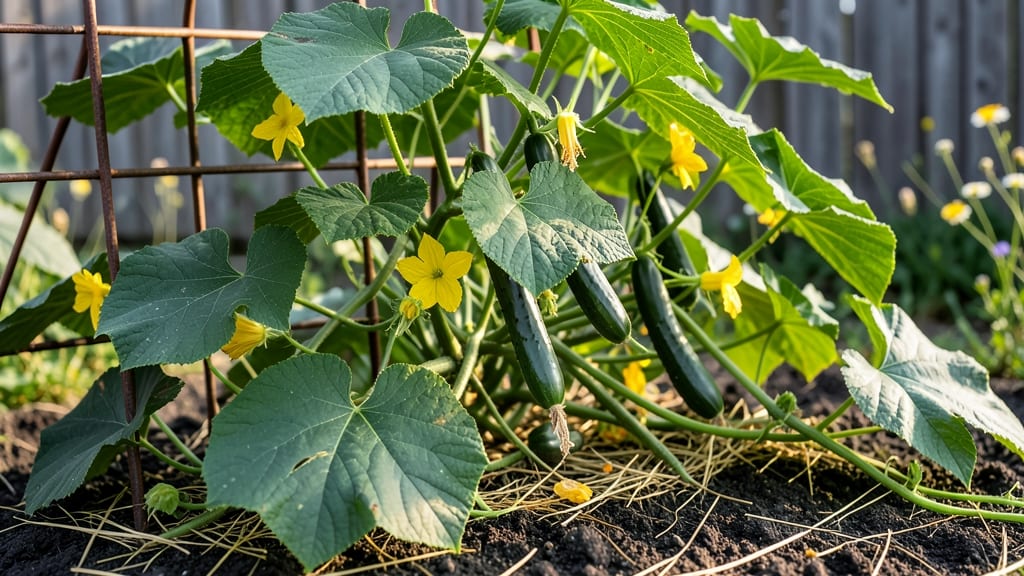
Browse these cucumber plant images to witness the magic of a seedling bursting into a sprawling vine heavy with fruit—it’s gardening’s finest reward, and I’ll guide you through each thrilling stage. what’s struggling, and exactly when to expect those first harvests.
The first leaves unfurl in delicate patterns, then the vines stretch toward the sun—each stage reveals whether your plant has the right nutrients and support. You’ll learn to recognize the telltale signs of powdery mildew on leaves or the ideal moment to prune for better airflow and fruit production.
By the time you’re pinching off those first baby cucumbers, you’ll understand the full lifecycle: from seed to vine to harvest. The images show not just what to expect, but how to guide your plant toward its best possible growth.
Whether you’re growing in a raised bed, containers, or sprawling vines along a fence, these visual cues will help you troubleshoot and celebrate every step. Let’s dive into the stages that turn seeds into a summer bounty.
📚 In This Guide
- What you need
- Instructions
- Tips and common mistakes
- Wrapping up and next steps
What you need
- ● Cucumber seeds – 5–10 seeds (or 1–2 starter plants if you prefer transplants). Opt for heirloom varieties like Lemon Cucumber or Straight Eight for vibrant foliage and fruit.
- ● Containers or garden bed – 5-gallon pots (for indoors) or a sunny garden spot (6+ hours of sunlight daily). Use well-draining soil with a pH of 6.0–6.8.
- ● Watering can or hose – With a gentle spray nozzle for seedlings.
- ● Fertilizer – Balanced 10-10-10 or organic compost (like worm castings) to boost growth.
- ● Trellis or stakes – 4–6 feet tall (bamboo or metal) to support vining varieties.
- ● Pruning shears – For trimming excess leaves or runners.
- ● Smartphone or DSLR camera – With a macro lens (or close-up mode) for detailed shots.
- ● Tripod or stabilizer – For steady, high-quality images.
- ● Natural light or ring light – Early morning or late afternoon sunlight works best!
- ● Reflector or whiteboard – To bounce light and reduce shadows.
- ● 💡 Golden Hour Magic: Schedule shoots during sunrise or sunset for soft, flattering light.
- ● 🎯 Focus on Details: Capture close-ups of leaves, emerging flowers, and tiny cucumbers for dynamic content.
- ● 🌡️ Weather Watch: Avoid rainy days—wet leaves can blur your images!
Visual guide: cucumber plant growth stages from seed to harvest
Here's how to recognize each stage of your cucumber plant's journey—so you'll know exactly what healthy growth looks like.
🌱 Step 1: Germination and First True Leaves
After sowing seeds ½ inch deep in warm soil, germination begins when soil reaches 70-85°F. You'll see tiny sprouts break through the soil in 5-10 days, starting with the seed leaves (cotyledons)—those first two rounded leaves that appear almost immediately. These aren't true leaves yet, but they're your first sign of success.
The real milestone comes when the first true leaves emerge, usually 7-14 days after germination. These leaves will be more elongated and serrated along the edges, looking like miniature versions of mature cucumber foliage. This is when you can safely thin seedlings to 1 plant per cell if you started multiple seeds together.
🌿 Step 2: Vegetative Growth and Vining
Once the plant has 4-6 true leaves, it enters rapid vegetative growth. You'll notice the main vine starting to stretch and develop side shoots. Healthy cucumber plants grow aggressively, so provide trellis support early—you'll see the vines begin wrapping around strings or netting within 2-3 weeks of this stage.
Watch for the first signs of tendrils—those curly, finger-like growths that help the plant climb. These appear where leaves meet the stem. The more tendrils you see, the more your plant is ready to utilize vertical space. This is also when you'll start seeing the first flowers forming in the leaf axils (the junction where leaves meet the stem).
☀️ Step 3: Flowering and Early Fruit Set
The flowering stage begins when you see clusters of small yellow blooms appear along the vine. Cucumber plants are monoecious, meaning they produce both male and female flowers on the same plant. Female flowers will have a tiny cucumber-shaped swelling at their base, while male flowers have long stems. This is when you'll need to hand-pollinate if you're growing in a greenhouse or indoors.
After successful pollination, you'll notice the first baby cucumbers forming—tiny, pale green fruits that look like miniature versions of mature cucumbers. These early fruits are your first visual confirmation that your plant is thriving. They'll grow rapidly, reaching 2-3 inches within 7-10 days of appearing. This is when you'll want to check for proper spacing—cucumbers need 12-24 inches between plants for optimal air circulation.
🍉 Step 4: Fruit Development and Maturity
The final growth stage is when cucumbers reach harvest size. Depending on the variety, this typically occurs 50-70 days after planting. You'll know they're ready when they've reached their mature size (usually 6-12 inches long depending on the variety) and have developed their characteristic color—dark green for slicing types, yellow or white for pickling varieties.
Look for firm, glossy skin and a slight give when pressed gently. The stem end should remain green and attached to the vine. Harvesting at this stage ensures optimal flavor and texture. Regular harvesting actually encourages more production—you'll see new flowers forming within 3-5 days of picking mature cucumbers, signaling the plant is ready to produce another crop.
Tips & tricks for mastering cucumber plant growth stages
Here's what nobody tells you about growing cucumbers—these insights will help you spot healthy development and avoid common pitfalls.
Soil Temperature Matters: Germination won't begin until soil reaches the ideal range of 70-85°F, so use a soil thermometer if your climate is unpredictable. I've seen seeds sit for weeks in cooler soil, only to sprout all at once when temperatures finally warmed up. Consider using a heat mat for early spring planting to maintain consistent warmth.
Thinning Seedlings the Right Way: When your plants reach the true leaves stage (7-14 days after germination), thin carefully to leave the strongest seedling per cell. Use small scissors to snip at soil level rather than pulling—this prevents disturbing roots of remaining plants. I learned this the hard way after uprooting my entire tray while trying to thin!
Trellis Timing is Critical: Don't wait until vines are sprawling to add support! Install your trellis or netting as soon as you see the first tendrils appear (around 2-3 weeks after the 4-6 true leaf stage). This gives vines something to grab onto immediately, preventing tangled messes later. I've seen cucumbers grow so aggressively that they'll wrap around each other in just a few days if left unsupported.
Flower Identification Pays Off: Those tiny cucumber-shaped swellings at the base of female flowers are your first sign of potential fruit. Keep an eye out for these when hand-pollinating—it's your confirmation that pollination worked. I've found that morning pollination gives the best results, as flowers are freshest and bees are most active then.
Pro Tips for Cucumber Plant Images
- Here's what nobody tells you about growing cucumbers—these insights will help you spot healthy development and avoid common pitfalls.
- Soil Temperature Matters: Germination won't begin until soil reaches the ideal range of 70-85°F, so use a soil thermometer if your climate is unpredictable.
- Thinning Seedlings the Right Way: When your plants reach the true leaves stage (7-14 days after germination), thin carefully to leave the strongest seedling per cell.
Frequently asked questions
Got questions about cucumber plant images? You’re not alone! Here are some of the most common queries—plus quick answers to help you grow like a pro.
How do I find high-quality cucumber plant images for reference?
Look for free stock photo sites like Unsplash, Pexels, or Pixabay—search for keywords like “cucumber growth stages” or “organic cucumber plants.” For scientific accuracy, check USDA or university extension resources. Pro tip: Use filters like “CC0” to ensure legal, royalty-free downloads!
What do cucumber plants look like at each growth stage?
From seedlings (tiny, round leaves), to vining (long, sprawling tendrils), and finally flowering/fruiting (yellow blooms + bumpy cucumbers), each stage has distinct visual cues. Compare our growth stage gallery for side-by-side cucumber plant images!
Why are my cucumber leaves turning yellow? (Troubleshooting)
Yellow leaves often signal overwatering, nutrient deficiency (like nitrogen), or pests (e.g., spider mites). Check soil moisture, adjust watering, and inspect undersides of leaves. Fix it fast: Add compost or a balanced fertilizer, and spray neem oil if pests are present.
Can I grow cucumbers indoors using plant images as a guide?
Use compact or bush varieties (like ‘Bush Champion’) and mimic outdoor conditions with 6+ hours of sunlight (grow lights work) and trellises for vertical growth. Study cucumber plant images to spot early signs of stress (e.g., wilting) and adjust care.
What’s the best alternative if my cucumber plants fail?
Try fast-growing alternatives like zucchini, summer squash, or even bush beans—they’re low-maintenance and share similar care needs. For visual inspiration, search “[alternative plant] growth stages” to compare cucumber plant images with your new pick!
Wrapping up and next steps
Growing a thriving cucumber plant is a rewarding journey, and now you’ve got the visual guide to track every stage—from tiny seeds to juicy harvests! 🌱 Whether you’re a beginner or a seasoned gardener, these cucumber plant images make it easier to spot milestones like leaf development, flowering, and fruit formation.
Remember, patience and care are key—your hard work will soon pay off with a bountiful harvest.
Ready to take the next step? Grab your gardening tools, snap some photos of your own progress, and share your journey! Happy planting! 🌿