
Diseases
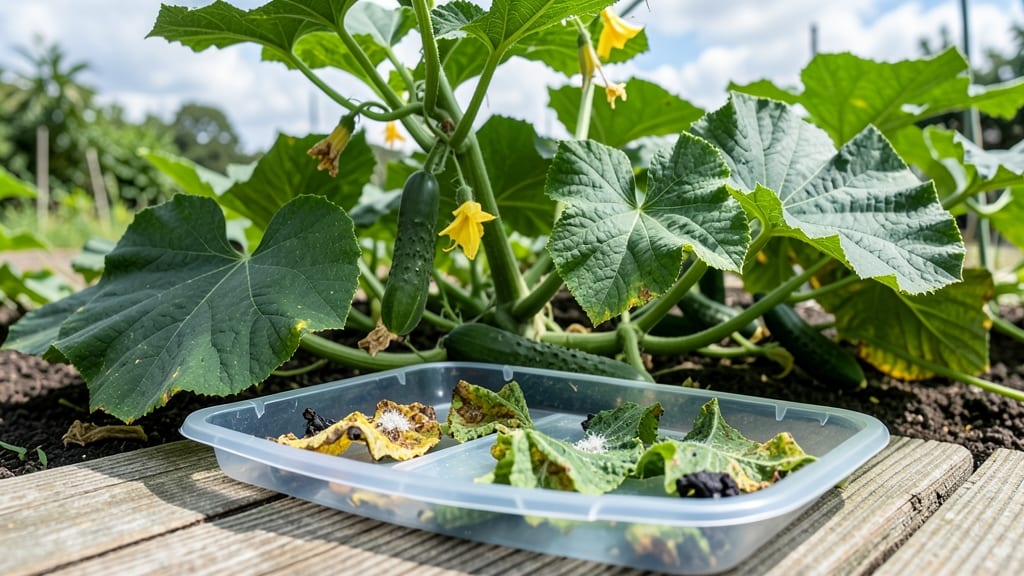
Cucumber plants wilted and spotted? 🌱 Those yellow patches and mushy stems aren’t just bad luck—they’re disease signs you can diagnose and fix. I’ve lost entire harvests to powdery mildew and bacterial wilt, but now I spot symptoms early and stop them before they spread.
This guide turns panic into prevention with a simple chart of common threats and what to do next.
The most common culprits are powdery mildew (white dust on leaves), downy mildew (yellow spots with fuzzy undersides), and bacterial wilt (sudden drooping with no wilting). Fungal diseases thrive in warm, humid weather, while bacterial infections spread through contaminated water or tools.
The good news? Most can be managed with proper spacing, airflow, and organic sprays like neem oil or copper fungicide.
You’ll learn to prune infected leaves before they spread, rotate crops to break disease cycles, and even save seeds from healthy plants. Within a week of treatment, your cucumbers can bounce back—no more sad, spotted vines. The key is acting fast and staying consistent with prevention.
Whether you’re dealing with a single plant or a full patch, this system works for both containers and garden beds. Let’s get those cucumbers thriving again—no more mystery diseases ruining your harvest!
Root Causes of Cucumber Plant Woes
Understanding why cucumber plants fall prey to diseases is the first step in prevention. These issues rarely arise in isolation—they’re often the result of a perfect storm of environmental, cultural, or biological factors. Let’s break down the key triggers behind cucumber plant diseases, so you can address them head-on.
Cucumbers thrive in specific conditions, and when those are disrupted, diseases move in like unwelcome guests. Here’s what throws them off balance:
- Excess Moisture & Humidity Cucumber plants love water—but too much (especially on leaves) creates a damp, warm environment that fungal pathogens like downy mildew and powdery mildew adore.
These fungi spread via spores that germinate in 90%+ humidity and temperatures between 60–80°F (15–27°C). Overhead watering or poor drainage turns leaves into spore incubators.
- Temperature Fluctuations Cucumbers prefer warm days (70–90°F / 21–32°C) and cool nights (60–70°F / 15–21°C). Sudden drops below 50°F (10°C) weaken plants, making them vulnerable to bacterial wilt or cold-sensitive viruses. Heat stress above 95°F (35°C) also weakens defenses, inviting secondary infections.
- Stagnant Air & Crowding Poor airflow traps moisture and spores near leaves. If plants are too close together (a common mistake in raised beds or greenhouses), humidity lingers, and diseases like alternaria leaf spot spread rapidly. Aim for 12–18 inches of spacing between plants to improve circulation.
Healthy soil is your first line of defense—but imbalances create openings for pathogens. Watch for these red flags:
- Compacted or Waterlogged Soil Roots suffocate in clay-heavy or poorly draining soil, leading to root rot (caused by Phytophthora or Pythium). Waterlogged conditions also deplete oxygen, weakening roots and inviting bacterial soft rot (Erwinia spp.).
- Over-Fertilization with Nitrogen Too much nitrogen (common in synthetic fertilizers) promotes lush, weak foliage that’s easy prey for pests and diseases. Instead, balance with phosphorus and potassium to strengthen cell walls and disease resistance. A soil test is your best friend here!
- Lack of Organic Matter Soil low in compost or mulch lacks beneficial microbes that suppress pathogens. Mycorrhizal fungi (natural soil helpers) and competitive microbes (like Bacillus subtilis) starve out harmful bacteria and fungi. Add well-aged compost or biochar to boost microbial activity.
Diseases don’t just appear—they hitch a ride or exploit weaknesses. Here’s how they gain access:
- Contaminated Tools or Seeds Pruning shears, trellises, or even infected seedling trays can transfer pathogens like cucumber mosaic virus (CMV) or angular leaf spot (Pseudomonas syringae). Always sterilize tools with 70% isopropyl alcohol or a 10% bleach solution between uses.
- Pest Damage Insects like aphids, cucumber beetles, and spider mites don’t just eat leaves—they injure plant tissues, creating entry points for bacteria and fungi. Aphids, for example, transmit CMV, while beetles spread bacterial wilt (Erwinia tracheiphila).
- Previous Crop Residue Planting cucumbers in the same spot year after year leaves behind old fungal spores or bacterial cells in the soil. Practice crop rotation (avoid planting cucumbers, squash, or melons in the same bed for 2–3 years) to break disease cycles.
Mother Nature plays a huge role in disease outbreaks. Keep an eye on:
- Prolonged Rain or Dew Downy mildew thrives after 24+ hours of leaf wetness, while anthracnose spreads in warm, rainy summers. Use drip irrigation (not overhead) and mulch to reduce soil splashing onto leaves.
- High Nighttime Humidity Humidity above 80% at night signals fungal trouble. Powdery mildew (Erysiphe cichoracearum) forms a white, powdery coating in these conditions. Improve airflow with fan circulation in greenhouses or prune lower leaves for better drying.
- Sudden Storms or Hail Physical damage from hail or wind tears open plant tissues, inviting secondary infections like bacterial blight. Inspect plants after storms and remove damaged leaves promptly.
Even with perfect conditions, some cucumbers are more susceptible due to genetics or stress:
- Stressed Plants from Transplant Shock Moving seedlings or mature plants without proper acclimation (hardening off) weakens their immune response. Root disturbance during transplanting can also invite Fusarium wilt (Fusarium oxysporum).
- Hereditary Susceptibility Some cucumber varieties (like slicing types) are more prone to powdery mildew than resistant hybrids (e.g., ‘Straight Eight’ or ‘Diva’). Always choose disease-resistant cultivars labeled for your climate.
- Nutrient Deficiencies A lack of magnesium (Mg) or calcium (Ca) weakens cell walls, making plants vulnerable to blossom-end rot (not a disease, but stress-related) and bacterial infections. Test soil and amend with Epsom salt (Mg) or lime (Ca) as needed.
Most cucumber diseases arise when three factors align:
- A susceptible host (your cucumber plant).
- A pathogenic organism (fungus, bacterium, or virus).
- Favorable environmental conditions (moisture, temperature, or stress).
Break any one leg of the triangle, and you disrupt the cycle. For example:
- Remove infected leaves (host).
- Use copper fungicides (pathogen control).
- Improve drainage (environment).
Fixing Cucumber Plant Problems
Cucumber plants can fall victim to a variety of diseases, but the good news is that many issues can be resolved with the right approach. Whether you're dealing with fungal infections, bacterial blights, or pest-related damage, early action is key.
Below, we’ve mapped out practical, step-by-step solutions for the most common cucumber plant diseases, along with prevention tips to keep your garden thriving.
🔥 Powdery Mildew: Scrub and Spray
Powdery mildew appears as a white, powdery coating on leaves, weakening your plants over time. Act fast to prevent it from spreading.
- Remove Infected Leaves 🍃 - Snip off severely infected leaves with clean pruners.
Dispose of them in the trash (not the compost pile). - Clean the Plant 🧼 - Wipe down healthy leaves with a neem oil solution (1 tbsp neem oil + 1 tsp mild soap per quart of water) using a soft cloth or spray bottle. - Improve Airflow 🌬️ - Space plants 12–18 inches apart and prune nearby foliage to allow sunlight and air to circulate. - Prevent Recurrence ✨ - Apply baking soda spray (1 tsp baking soda + 1 quart water + a few drops of soap) weekly as a preventative. - Pro Tip: 💡 Water plants at the base in the morning to keep leaves dry overnight.
🍄 Downy Mildew: Copper Fungicide Works
This disease shows up as yellow spots on the top of leaves and fuzzy gray growth on the bottom. It thrives in damp conditions.
- Prune and Dispose ⏰ - Cut off infected leaves immediately and destroy them (do not compost). - Apply Fungicide 🛡️ - Spray with a copper-based fungicide (like Bordeaux mixture) or a commercial downy mildew treatment every 7–10 days until the problem clears. - Adjust Watering 💧 - Water early in the day so leaves have time to dry.
Avoid overhead watering. - Rotate Crops 🌱 - If downy mildew was an issue last year, avoid planting cucumbers in the same spot for 2–3 years.
🍅 Bacterial Diseases: Copper and Sanitation
🔪 Bacterial Wilt: Cut It Out
Bacterial wilt causes sudden wilting, yellowing, and a bad odor from the stem when cut open. There’s no cure—only prevention and removal.
- Remove the Plant ⚠️
- Dig up and destroy infected plants immediately to prevent spread.
- Sterilize Tools 🔪
- Clean pruners with rubbing alcohol between cuts.
- Prevent Future Outbreaks 🛡️
- Rotate crops and avoid planting cucumbers in the same spot for 3+ years.
- Use resistant varieties like ‘Marketmore 76’ or ‘Straight Eight.’
🍅 Bacterial Leaf Spot: Copper Sprays Help
Small, water-soaked spots that turn yellow or brown? This bacterial disease spreads quickly in wet conditions.
- Remove Diseased Leaves 🧹
- Pick off and burn or trash infected foliage.
- Spray Copper Fungicide 🛡️
- Apply a copper fungicide (like Cupron) every 10–14 days during wet weather.
- Water at the Base 💧
- Avoid wetting leaves to reduce bacterial spread.
- Clean Up Debris 🧹
- Remove old plant debris and weeds where bacteria can hide.
🐞 Cucumber Beetles: Trap and Trap Again
These striped pests transmit bacterial wilt and chew on leaves. Trap them early!
- Set Up Beer Traps 🍺 - Bury a shallow container filled with beer or apple cider vinegar near plants.
Beetles drown in it. - Handpick Pests 👨🍳 - Check leaves daily and drop beetles into soapy water. - Use Row Covers 🛡️ - Cover young plants with floating row covers to block beetles until flowering. - Plant Trap Crops 🌱 - Grow radishes or nasturtiums nearby to attract beetles away from cucumbers.
🕷️ Spider Mites: Spray and Spray Again
Tiny, web-spinning pests cause yellow stippling on leaves. They thrive in dry, hot conditions.
- Blast Them Off 💦
- Spray plants with a strong stream of water to knock mites off.
- Neem Oil Spray 🌿
- Mix 1 tbsp neem oil + 1 tsp soap per quart of water and spray every 3–5 days.
- Increase Humidity 🌡️
- Mist plants occasionally or use a humidifier near the garden.
- Encourage Predators 🐞
- Ladybugs and lacewings eat spider mites—attract them with dill or fennel plants.
The best defense is a strong, healthy plant. Follow these proactive steps to avoid future problems:
- ✨ Choose Resistant Varieties – Look for cucumbers labeled "powdery mildew resistant" or "bacterial wilt resistant."
- 🌱 Rotate Crops – Don’t plant cucumbers in the same spot year after year.
- 💧 Water Wisely – Early morning watering at the base keeps leaves dry.
- 🧹 Clean Up Debris – Remove old vines and leaves after harvest to reduce disease hiding spots.
- 🛡️ Use Mulch – Straw or grass clippings help keep soil moist and block spores from splashing onto leaves.
- 🌿 Practice Crop Rotation – Follow a 3-year rotation with non-cucumber plants (like beans or tomatoes).
By acting quickly and following these simple, effective steps, you can save your cucumber plants and enjoy a bountiful, disease-free harvest! 🥒🌟
Frequently asked questions
How can I tell if my cucumber plant has powdery mildew vs. downy mildew?
Powdery mildew appears as a white, powdery coating on both sides of leaves and doesn't require moisture to spread. Downy mildew shows yellow spots on top with fuzzy gray growth on the undersides and thrives in humid conditions. Check the leaf undersides first—if you see fuzzy spots, it's downy mildew.
Can I still eat cucumbers from a diseased plant?
Only if the disease is fungal and only the leaves are affected (like powdery mildew). Never eat cucumbers from plants with bacterial wilt (bad stem odor) or anthracnose (sunken spots). When in doubt, remove the entire plant to prevent spread.
What's the fastest way to prevent bacterial wilt in my garden?
Start with resistant varieties like 'Tyria' or 'Diva', then sterilize tools between plants with rubbing alcohol. Remove infected plants immediately and rotate crops—don't replant cucumbers in the same spot for 3+ years. Cucumber beetle traps also help break the disease cycle.
Will neem oil work for all cucumber plant diseases?
Neem oil is excellent for fungal diseases (powdery/downy mildew) and pests (spider mites), but it won't cure bacterial infections. For bacterial issues, use copper fungicide instead. Always apply neem oil at dusk to avoid harming bees.
How often should I check my cucumber plants for early disease signs?
Inspect plants 2-3 times per week, especially after rain or high humidity. Focus on new growth and leaf undersides—these are where diseases often appear first. Early detection gives you the best chance to stop outbreaks before they spread.