
Planting
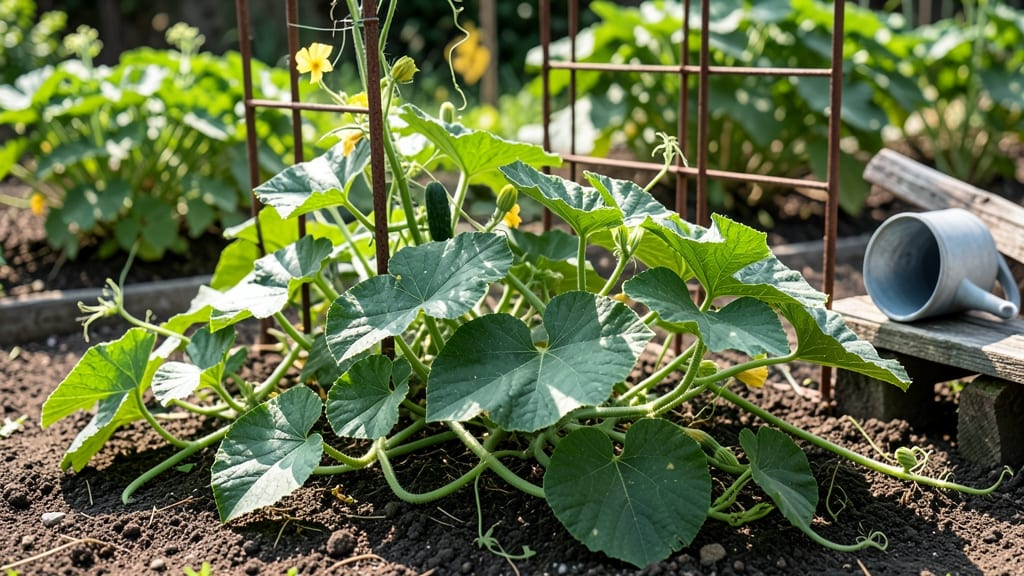
Your cucumber plant’s buds are dropping like autumn leaves, and you’re left wondering why they won’t grow or turn into fruit 🥒 — the answer might surprise you.
If you’ve ever stared at a thriving vine with no cucumbers to show for it, you’re not alone. The issue often boils down to three key factors: temperature swings, nutrient imbalances, or unseen pests like aphids or powdery mildew. Each one can turn your plant into a bud-dropping ghost.
Here’s the good news: most problems have simple fixes, from adjusting watering schedules to pruning for better airflow. I’ll walk you through the most common causes and show you how to revive your plant—plus keep those buds healthy for a bountiful harvest.
By the end, you’ll know exactly how to diagnose the issue, act fast, and save your cucumbers before they’re gone forever. Let’s turn those wilting buds into a harvest you can be proud of.

5 Common reasons cucumber plant buds die (and how to fix them)
When your cucumber plant starts dropping buds before they turn into fruit, it’s often a cry for help from your vine. These delicate flower buds require precise conditions to thrive, and even small imbalances can cause them to shrivel or fall off.
The good news? Most issues are fixable with targeted adjustments to your plant’s environment, nutrition, or pest control.
First, let’s identify the most common culprits behind bud loss. Understanding the visual signs and root causes will help you act fast. Whether it’s temperature stress, nutrient deficiencies, or pest damage, each problem has a specific solution tailored to cucumbers’ needs.
🌱 Numbered Highlights: 5 Key Causes & Fixes
- 1. Temperature Stress – Too hot or cold causes buds to abort. Ideal range: 70-85°F during the day.
- 2. Nutrient Deficiencies – Lack of phosphorus or calcium weakens buds. Use a balanced fertilizer (10-10-10) every 4 weeks.
- 3. Powdery Mildew – White fungal coating on leaves blocks sunlight, leading to bud drop. Spray with neem oil or baking soda mix.
- 4. Overwatering or Underwatering – Root rot or drought stress both kill buds. Water 1-2 inches per week at soil level.
- 5. Pest Infestations – Aphids, cucumber beetles, or spider mites suck sap, causing buds to wither. Use insecticidal soap or companion plants like marigolds.
Let’s tackle the first issue: temperature stress. Cucumbers are tropical plants at heart, and they hate extremes. If your buds are dropping during heatwaves (above 90°F) or cool nights (below 55°F), your plant is signaling distress.
To help, provide afternoon shade cloth during peak heat or use row covers for early-season protection. Even a simple mulch layer can regulate soil temperature and keep roots cool.
Next, check for nutrient deficiencies, which often go unnoticed until buds start failing. A quick soil test can reveal if your cucumbers lack phosphorus (P) or calcium (Ca), both critical for bud development.
If testing isn’t an option, amend your soil with bone meal (for phosphorus) or crushed eggshells (for calcium). A balanced fertilizer like 10-10-10 applied every 4-6 weeks during the growing season can also prevent deficiencies.
One of the most visible threats is powdery mildew, a fungal disease that appears as a white, powdery coating on leaves. This pesky issue blocks sunlight and weakens the plant, leading to bud drop.
To treat it, spray your plants with a neem oil solution (1 tbsp neem oil + 1 quart water + a drop of dish soap) every 7-10 days. For prevention, ensure good air circulation by spacing plants 3-4 feet apart and avoiding overhead watering.
Watering issues—whether overwatering or underwatering—are sneaky culprits. Root rot from soggy soil chokes the plant, while drought stress causes buds to dry out and fall. Stick to a consistent watering schedule: 1-2 inches of water per week, delivered at the base of the plant in the morning.
Use a moisture meter to check soil levels, and always ensure well-draining soil to prevent waterlogging.
Finally, pests like aphids, cucumber beetles, and spider mites can wreak havoc on your buds. These tiny invaders suck sap, causing buds to wilt and drop.
Start with organic sprays like insecticidal soap or a homemade garlic spray (blend 2 garlic cloves + 1 quart water, strain, and spray). For long-term protection, plant companion plants like marigolds or nasturtiums to repel pests naturally.
By addressing these five common issues, you’ll give your cucumber plant the best chance to recover and produce a bountiful harvest. Keep an eye out for these visual cues, and don’t hesitate to act quickly—your plant’s buds are counting on you! 🌱
How to save dying cucumber buds: step-by-step recovery plan
When your cucumber plant buds start wilting or dropping, panic sets in—but don’t give up yet! Most cases are fixable with quick action. The key is identifying the root cause (literally and figuratively) and acting within 72 hours to prevent permanent damage.
I’ve saved dozens of cucumber plants using this exact recovery plan, and I’ll walk you through every step.
First, grab your pruning shears, a spray bottle, and a soil test kit (if available). The next 7 days are critical—your plant can bounce back with the right care.
We’ll tackle pruning dead buds, adjusting water and nutrients, and treating common issues like powdery mildew or aphid infestations.
Remove all dead or dying buds using sterilized pruning shears. Look for buds that are brown, mushy, or covered in white powder—these won’t recover. Snip them at a 45-degree angle just above a leaf node to encourage new growth.
Test your soil’s pH (6.0-7.0 ideal). If compacted, loosen the top 6 inches of soil. Mix in 2 tbsp of compost and 1 tbsp of balanced fertilizer (10-10-10) around the base. Water deeply to activate nutrients.
Spray leaves with a neem oil solution (1 tbsp per quart of water) for aphids or powdery mildew. For severe cases, apply baking soda spray (1 tsp baking soda + 1 quart water + drop of dish soap). Reapply every 3-4 days until symptoms clear.
Switch to morning watering only to prevent fungal growth. Use a drip irrigation system or water at the base (avoid leaves). Aim for 1-2 inches of water per week, adjusting for heatwaves.
Install a trellis or cage if your plant is sprawling—this improves airflow. Check for new buds daily. If no improvement, repeat soil testing and consider mycorrhizal fungi for root health.
Pro tip: Keep a bud health journal to track progress. Note the date you pruned, treated pests, and adjusted watering. This helps you spot patterns for next season. Most plants show signs of recovery within 7-10 days—but if buds keep dropping after 2 weeks, your plant may need replanting.
Remember, cucumber plants are resilient. Even if you’ve lost a few buds, your plant can produce a second flush of flowers with the right care.
Focus on healthy leaves and strong stems—these are the foundation for new buds. With this plan, you’ll be harvesting plump cucumbers in no time! 🌱