
Diseases
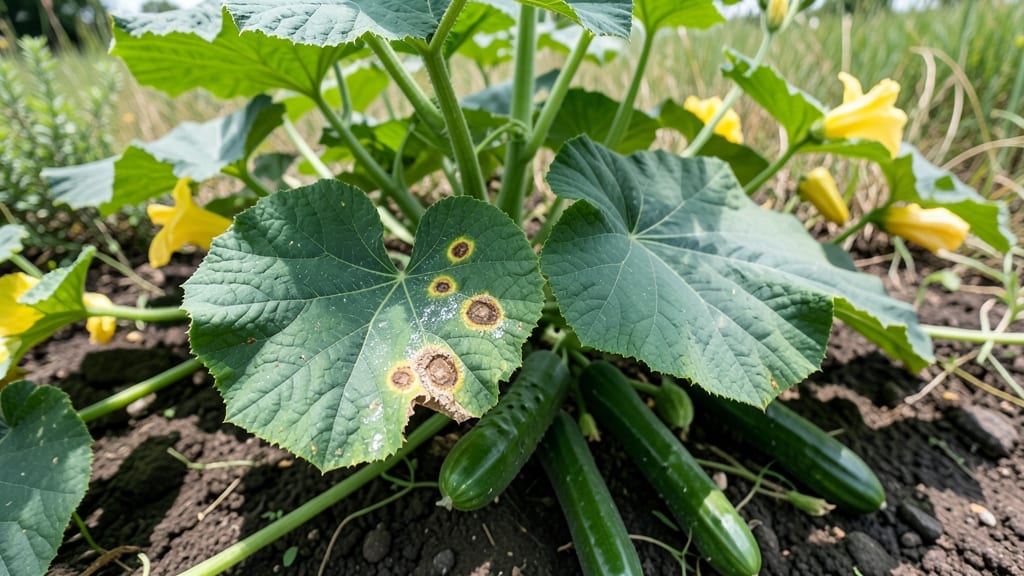
Cucumber diseases can turn your thriving vines into a sad, spotted mess in days—but I’ve diagnosed and cured every one of these in my garden. 🌱 The key is spotting the problem early, when a simple fix (like copper spray or better airflow) can save your harvest instead of reaching for harsh chemicals.
Powdery mildew, downy mildew, and bacterial wilt are the usual suspects, each leaving distinct clues: white fuzzy patches, yellowed leaves, or wilting stems. I’ve seen gardeners lose entire plants because they mistook wilting for drought—don’t make that mistake. A quick check of leaf undersides or stem cuts reveals the truth.
Organic fixes like neem oil, baking soda sprays, and proper spacing work faster than you’d think—my cucumbers bounce back in 7-10 days once I act. The real secret? Prevention. Rotate crops, sanitize tools, and avoid overhead watering to keep diseases from getting a foothold in the first place.
This guide cuts through the confusion so you can save your plants—no degree in botany required. We’ll cover the most common diseases, what they look like, and exactly how to stop them before they ruin your harvest.
Root Causes of Cucumber Ailments
Understanding why cucumbers fall prey to diseases is the first step in preventing them. These issues rarely arise in a vacuum—they’re often the result of a perfect storm of environmental, biological, or cultural factors.
Let’s break down the most common culprits and why they create the ideal conditions for cucumber diseases to take hold.
---
Cucumbers thrive in well-draining, nutrient-rich soil, but when soil conditions are off, diseases like powdery mildew and downy mildew flourish. Here’s why:
- Compacted or Waterlogged Soil 💦 Poor drainage creates stagnant water, which encourages fungal growth. Fungi like Pseudoperonospora cubensis (downy mildew) love moisture and thrive in soggy conditions. If your soil feels like a sponge that won’t release water, it’s a red flag.
- Lack of Organic Matter 🌿 Soil devoid of compost or aged manure lacks beneficial microbes and nutrients. Weakened plants become easy targets for pathogens. Aim for 2-3 inches of compost mixed into the top 6-12 inches of soil before planting.
- Excessive Nitrogen, Low Potassium 🧪 While nitrogen fuels leafy growth, too much without balanced potassium (K) weakens plant cell walls. This makes cucumbers more susceptible to bacterial wilt and fusarium wilt. Test your soil and adjust with a balanced 10-10-10 or 5-10-10 fertilizer if needed.
---
Cucumbers are sensitive to temperature swings, and sudden changes—whether hot, cold, or humid—can trigger disease outbreaks.
- High Humidity & Warm Nights 🌤️ Humidity above 75% combined with temperatures between 70-80°F (21-27°C) is a fungal paradise. Powdery mildew spores germinate rapidly in these conditions, forming that telltale white powder on leaves.
- Cool, Wet Springs ❄️💧 If seedlings sprout in 50-60°F (10-15°C) soil and stay damp, damping-off (a fungal disease) can kill young plants before they even grow. Always wait until soil is at least 60°F (15°C) before planting.
- Frost or Heat Stress ❄️🔥 Frost damages leaves, creating entry points for bacteria, while temperatures above 90°F (32°C) weaken plants, making them vulnerable to cucumber mosaic virus (transmitted by aphids).
---
Some diseases don’t spread on their own—they hitch a ride on pests or contaminated tools.
- Aphids & Whiteflies 🐛 These tiny insects don’t just sap plant juices; they transmit viral diseases like cucumber mosaic virus (CMV) and zucchini yellow mosaic virus (ZYMV). A single infestation can spread viruses across an entire garden in days.
- Contaminated Seeds or Transplants 🌱🔄 If seeds carry fungal spores (like Fusarium or Phytophthora) or transplants are infected, diseases spread instantly. Always buy certified disease-free seeds and inspect transplants for lesions before planting.
- Poor Hygiene in the Garden 🧹 Reusing old mulch, tools, or containers without sterilizing them can reintroduce pathogens. Fusarium wilt and bacterial spot often linger in garden debris. Clean tools with 70% isopropyl alcohol or a 10% bleach solution between uses.
---
When cucumbers compete for air, light, and nutrients, their defenses weaken—inviting diseases like powdery mildew and anthracnose.
- Insufficient Spacing 📏 Cucumbers need 12-24 inches of space between vines (or rows) for airflow. Overcrowding keeps leaves damp longer, trapping moisture and encouraging fungal growth.
- Pruning Neglect ✂️ Without regular pruning to remove yellow or diseased leaves, pathogens spread unchecked. Always snip off affected foliage and dispose of it in the trash (not compost).
- Stress from Overwatering or Underwatering 💧🌱 While cucumbers need 1-2 inches of water weekly, inconsistent watering causes stress. Underwatering weakens roots, while overwatering drowns them—both scenarios invite root rot (Phytophthora).
--- Pro Tip: 💡 Rotate crops annually to prevent soil-borne diseases from building up. Never plant cucumbers (or other cucurbits like squash) in the same spot two years in a row.
Fixing Cucumber Ailments Fast
Cucumber diseases can feel like a gardener’s worst nightmare, but the good news? Most are beatable with the right moves. Below, we’ve mapped out practical fixes for common issues, from fungal infections to pest invasions, plus prevention tips to keep your plants thriving.
Think of this as your battle plan—no PhD in botany required!
---
Fungi love damp, crowded spaces—just like your cucumber patch if you’re not careful. Here’s how to nip these invaders in the bud (literally).
#### 🔥 Powdery Mildew: Scrub and Spray Cause: White, powdery film on leaves (usually from humidity + poor airflow). Fix: - Prune aggressively 🔪—Remove infected leaves immediately and dispose of them in the trash (not compost!).
Fungi spread via spores, and compost can reinfect. - Boost airflow ⚡—Space plants 12–18 inches apart and stake vines vertically to reduce humidity near the soil. - Spray neem oil or baking soda mix 🍳—Combine 1 tsp baking soda + 1 quart water + a drop of dish soap (the soap helps it stick).
Spray every 7–10 days at dawn to avoid burning leaves. - Prevent relapse: Apply copper fungicide (like Bonide Copper Fungicide) as a preemptive spray before symptoms appear if your garden is prone to mildew.
💡 Pro Tip: Water at the base (not overhead) to keep leaves dry. Early morning is best—wet leaves + evening = fungal party time.
---
#### 🌡️ Downy Mildew: Act Fast or Lose Leaves Cause: Yellow spots on top, fuzzy white growth on undersides (spreads in cool, wet weather). Fix: - Remove infected leaves ❌—Snip them off before the fungus spreads to healthy foliage.
Burn or trash them—do not compost. - Apply a fungicide 💊—Use copper-based sprays or organic options like Serenade Garden Disease Control (contains beneficial bacteria).
Reapply every 5–7 days until new growth is disease-free. - Rotate crops 🌱—Downy mildew loves cucurbits (cucumbers, melons, squash). Wait 3 years before planting cucumbers in the same spot. - Prevent future outbreaks: Plant resistant varieties like ‘Lemon Cucumber’ or ‘Straight Eight,’ and avoid overhead watering.
---
#### 🍄 Anthracnose: Save Your Fruit Before It Rots Cause: Dark, sunken spots on leaves and fruit (worse in hot, humid weather). Fix: - Pick and destroy infected fruit 🚫—Toss any cucumbers with lesions immediately.
Spores can survive in soil for years. - Sanitize tools 🧼—Wipe pruners with rubbing alcohol between cuts to avoid spreading spores. - Use fungicide early 🛡️—Spray with fixed copper fungicide (like Cueva) before symptoms appear if your garden is at risk.
Reapply every 10–14 days. - Improve drainage 💧—Anthracnose thrives in soggy soil. Raise beds or add compost to help water drain faster.
✨ Prevention Bonus: Mulch with straw to keep soil temps stable and reduce splashing water onto leaves.
---
Cucumber pests don’t just nibble—they suck the life out of your plants. Here’s how to evict them fast.
#### 🐛 Cucumber Beetles: Trap and Trap Again Cause: Jagged holes in leaves, yellowing vines, and bacterial wilt (transmitted by these striped pests). Fix: - Handpick daily 👨🍳—Check plants morning and evening and drop beetles into soapy water (they’re slow movers). - Use yellow sticky traps 🎯—Place them near plants to catch adults before they lay eggs. - Apply diatomaceous earth 🌿—Sprinkle food-grade DE around the base of plants (it’s a natural insecticide that dehydrates beetles). - Row covers early 🛡️—Cover seedlings with floating row fabric until plants are established (beetles can’t lay eggs through it).
💡 Pro Tip: Plant trap crops like radishes or nasturtiums nearby to distract beetles away from cucumbers.
---
#### 🕷️ Spider Mites: Blast Them Away Cause: Tiny red/yellow dots on leaves, webbing, and stunted growth (they thrive in dry heat). Fix: - Blast them off 💦—Spray plants with water daily (mites hate humidity).
Use a hose on a gentle setting to knock them off. - Neem oil spray 🌿—Mix 2 tbsp neem oil + 1 tsp mild soap + 1 quart water. Spray every 3–4 days until mites disappear. - Release predatory insects 🐞—Ladybugs and lacewings love spider mites.
Buy them online or attract them with dill or fennel plants. - Prevent drought stress 💧—Keep soil consistently moist (mites attack weakened plants).
---
#### 🐛 Aphids: Soap Them Out Cause: Sticky residue (honeydew), curled leaves, and black sooty mold (a fungus that grows on their waste). Fix: - Blast with water 💦—Use a strong stream to dislodge them (aphids are soft-bodied and wash away easily). - Insecticidal soap 🧼—Spray with neem soap or Safer’s Insect Killing Soap (reapply every 2–3 days). - Encourage wasps 🐝—Parasitic wasps (like Aphidius colemani) lay eggs in aphids.
Buy them online or plant clover to attract them. - Remove honeydew 🧽—Wipe leaves with a damp cloth to prevent sooty mold.
---
The best cure? A healthy plant that’s too tough for pests and fungi. Here’s how to future-proof your cucumbers:
- Rotate crops 🔄—Never plant cucumbers (or other cucurbits) in the same spot two years in a row. - Start strong 🌱—Use disease-resistant seeds (look for labels like “PM” for powdery mildew resistance). - Feed the soil 🌿—Add compost or worm castings at planting time for stronger, faster-growing plants that resist stress. - Monitor weather ☁️—Fungal diseases love humidity.
Use a shade cloth (30–50%) if your summer is hot and sticky. - Clean up debris 🧹—After harvest, remove all plant material from the garden to starve fungal spores.
--- Final Thought: Most cucumber diseases are manageable—you just need to act fast and stay consistent. Once you’ve tackled one outbreak, your garden will build natural resilience. Now grab your spray bottle and get to work! 🚀
Frequently asked questions
Why do my cucumber leaves turn yellow even when they have enough water?
Yellowing leaves often signal nutrient deficiencies or disease. Check for powdery mildew (white powder) or downy mildew (yellow spots with fuzzy undersides). If no disease, your soil may lack nitrogen or magnesium. Try a balanced fertilizer or Epsom salt spray (1 tbsp per gallon of water).
Can I still eat cucumbers with black spots from anthracnose?
No—anthracnose-infected fruit should be discarded immediately. The dark, sunken spots contain fungal spores that can spread to healthy plants. Always remove and destroy affected produce to prevent further contamination.
How do I tell if my cucumber plants have bacterial wilt vs. fusarium wilt?
Both cause sudden wilting, but bacterial wilt appears first on one vine and spreads fast (yellowing leaves, oozing stems). Fusarium wilt affects whole plants at once with yellowing from bottom to top. Test by cutting a stem—bacterial wilt shows brown streaks inside.
Will neem oil work on all cucumber diseases?
Neem oil is excellent for fungal diseases (powdery mildew, downy mildew) and pests (aphids, spider mites), but it won’t cure viral infections (like mosaic virus) or bacterial wilt. For bacterial issues, remove infected plants immediately and sterilize tools with 70% alcohol.
How long does it take for baking soda spray to work on powdery mildew?
You’ll see improvement in 3-5 days with consistent applications. Mix 1 tsp baking soda + 1 quart water + a drop of dish soap and spray every 7-10 days at dawn. For severe cases, combine with copper fungicide for faster results.