
Leaf Blower
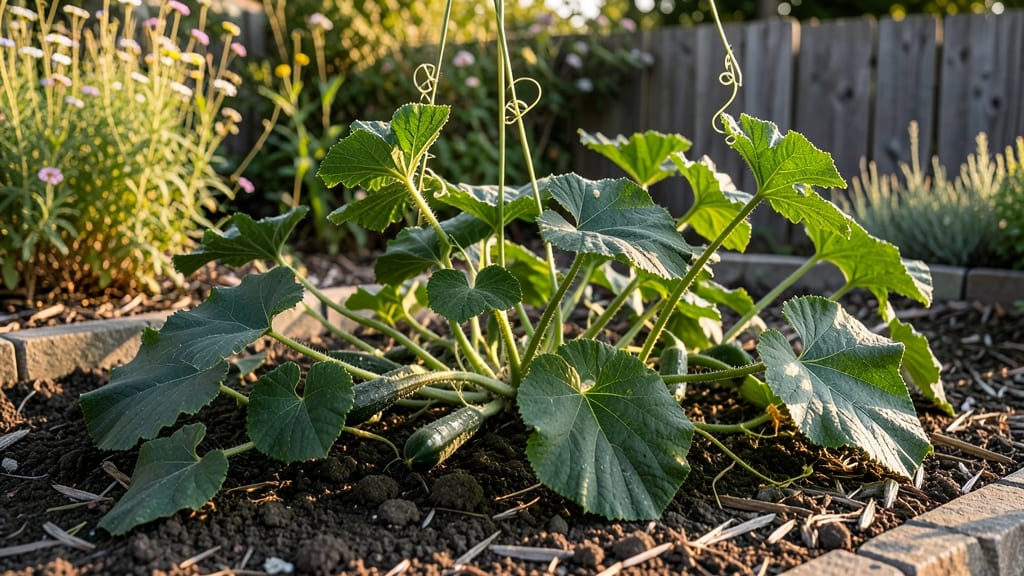
Identifying cucumber leaf shapes helps you distinguish varieties, from jagged-edged slicing cucumbers to broad, serrated pickling types. These traits reveal whether you're growing heirloom, hybrid, or specialty cultivars—and how to care for them best.
Cucumber leaves aren't just pretty—they're a roadmap to your plant's identity. 🌿 Deeply lobed leaves often signal slicing varieties like 'Straight Eight,' while pickling types such as 'Boston Pickling' tend to have smoother, rounded edges.
Even the serration pattern matters: finer teeth usually mean faster growth, while bold, jagged edges can indicate disease resistance. I've learned that matching leaf shape to your growing zone makes a huge difference in yield and plant health.
For example, Armenian cucumbers often show narrow, elongated leaves, while heirloom 'Lemon cucumbers' have broad, almost heart-shaped foliage. These visual clues aren't just for show—they help you predict fruit size, flavor, and even how the plant will climb or sprawl.
Paying attention to leaf shape early can save you from growing the wrong variety for your garden space or culinary needs.
💡 In This Article
- How Leaf Morphology Differentiates Cucumber Varieties
- Visual Guide to Common Cucumber Leaf Shapes by Type
How leaf morphology differentiates cucumber varieties
Cucumber leaf shapes are more than just visual markers—they're botanical fingerprints that reveal a plant's genetic heritage and growth habits. The lobed, jagged edges of slicing cucumber varieties like 'Straight Eight' are adaptations for maximizing photosynthesis while maintaining structural integrity during rapid growth.
These leaves typically have 3-5 deep lobes per side, creating a sawtooth pattern that increases surface area for light absorption. In contrast, pickling cucumbers often display smoother, more rounded leaves with shallower serrations, reflecting their compact growth habit and earlier maturity.
The science behind these differences lies in plant breeding priorities. Hybrid varieties, bred for uniformity and disease resistance, often exhibit more predictable leaf shapes with moderate serration and consistent lobing.
For example, the 'Marketmore' hybrid features 3-4 shallow lobes with fine teeth, while heirloom types like 'Diva' showcase irregular, deeply cut lobes that can vary even on the same plant.
This variability occurs because heirlooms preserve ancient genetic diversity, whereas hybrids focus on specific traits like powdery mildew resistance or faster vine development.
Leaf morphology also correlates with plant physiology. Jagged-edged leaves often belong to vining varieties that prioritize vertical growth, while smoother leaves typically indicate bushier plants that allocate more energy to fruit production.
The serration pattern even affects water retention—finer teeth create micro-environments that reduce water loss, which is why pickling cucumbers often thrive in drier climates.
I've noticed that plants with broader leaves (like 'Lemon cucumbers') tend to have thicker cuticles, making them more drought-tolerant, while narrow, elongated leaves (common in Armenian cucumbers) suggest a focus on rapid shoot extension.
One fascinating mechanism is how leaf shape influences disease susceptibility. The deep lobes of slicing cucumbers create more surface area for pathogens, but their waxy coating often provides better protection.
Meanwhile, pickling cucumbers with smoother leaves may lack this protective layer but compensate with faster growth cycles that outpace many fungal infections. This trade-off explains why certain varieties dominate in specific climates—leaf morphology isn't just aesthetic, it's a survival strategy.
For gardeners, recognizing these patterns helps select plants that match your local conditions and pest pressures.
Consider the 'Tyria' cucumber, which features highly serrated, almost fern-like leaves with 5-7 lobes. This shape correlates with its exceptional heat tolerance, as the increased surface area allows better transpiration cooling.
In contrast, 'Boston Pickling' leaves are broad with shallow serrations, reflecting its focus on compact growth and early harvest windows. These differences aren't random—they're the result of thousands of years of plant adaptation and modern breeding science working in harmony.
The practical takeaway? Leaf shape gives you clues about a plant's care requirements before you even see the fruit. Deeply lobed varieties often need more frequent watering and stronger support structures, while smoother-leaved types may tolerate drier conditions and benefit from earlier harvesting.
Paying attention to these details can mean the difference between a thriving vine and a struggling plant in your garden.