
Vegetables
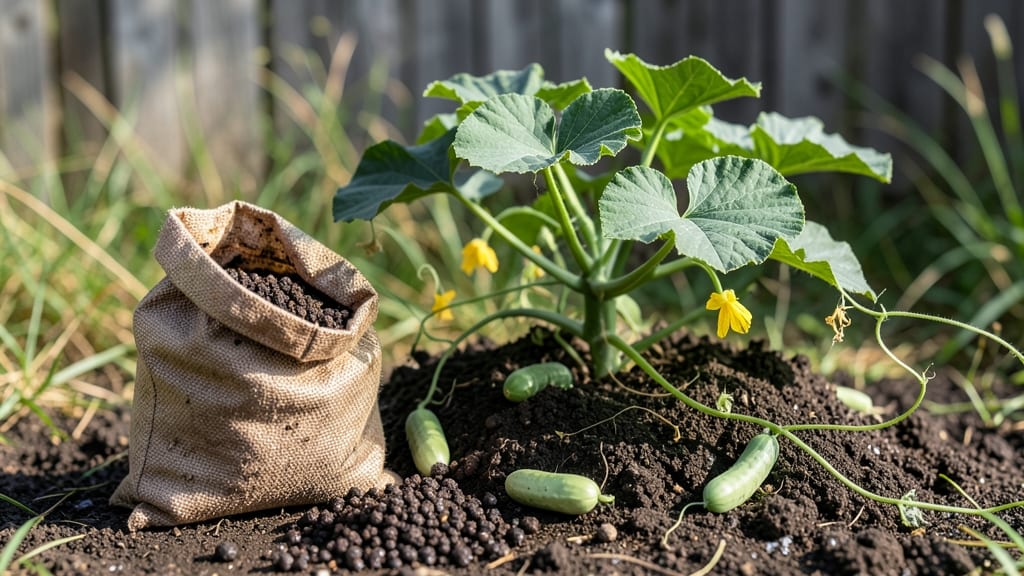
Planting cucumbers on hills instead of rows doubles your harvest by creating warmer soil and better drainage. 🌱 I learned this trick after watching my flat-planted cucumbers struggle with cold, soggy roots—until I mounded the soil and saw the difference in just two weeks.
The method is simple: create small hills of soil spaced 18-24 inches apart, then plant 2-3 seeds per hill. Hills warm up faster in spring, drain excess water, and give roots room to spread without competing with weeds.
You’ll get bushier vines and more fruits than traditional rows. By mid-summer, your cucumbers will climb trellises or sprawl neatly along the hills, producing 30-50% more than flat planting. The key is keeping soil moist but not waterlogged—hill planting prevents rot while encouraging strong root systems.
Works for both bush and vining varieties, and you can adapt it to small spaces or large gardens. Ready to try this foolproof technique?
📚 In This Guide
- What you need
- Instructions
- Tips and common mistakes
- Wrapping up and next steps
What you need
- ● Cucumber Seeds or Seedlings: 10–20 seeds (or 3–5 seedlings) per hill, depending on variety (bush vs. vining).
- ● Pro tip: Choose hill-friendly varieties like ‘Straight Eight,’ ‘Lemon,’ or ‘Marketmore 76.’
- ● Soil: Well-draining, loamy soil (pH 6.0–6.8).
- ● Compost or aged manure (1–2 gallons per hill) for nutrients.
- ● Trellis or Support: Bamboo stakes (3–4 ft tall) OR a cucumber trellis (A-frame or spiral design).
- ● Twine or soft plant ties (10–15 ft per hill).
- ● Watering Supplies: Drip irrigation or watering can (1–2 gallons per hill, 2x daily).
- ● Garden Tools: Trowel or transplanting spade.
- ● Pruners (for trimming vines).
- ○ Optional (But Helpful!): Mulch (straw or shredded leaves) to retain moisture.
- ● Fertilizer (balanced 10-10-10 or compost tea).
- ● Row covers (for early planting protection).
- ● Sunny spot with 6–8+ hours of direct sunlight daily.
- ● Space for hills 18–24 inches apart (or 3–4 ft for trellised varieties).
- ● Warm soil temps (60°F+)—wait until after the last frost!
Step-by-Step guide to cucumber hill planting
Here's how to create the perfect hill for cucumbers that boosts vine strength and yields.
🪴 Step 1: Choose and Prepare Your Planting Site
Select a location with full sun exposure—at least 6-8 hours daily. Cucumbers thrive in warm soil, so wait until nighttime temperatures stay above 55°F before planting. Avoid spots where cucumbers or squash grew last year to prevent soil-borne diseases.
Clear the area of weeds and rocks, then loosen the top 12 inches of soil with a garden fork. Amend the soil with 2-3 inches of compost mixed into the top 6 inches. This improves drainage and provides nutrients for vigorous vine growth. I like to work the compost in when the soil is slightly damp—it mixes more evenly and won't clump.
🌱 Step 2: Build the Planting Hill
Create a mound about 12-18 inches tall and 2 feet wide using the amended soil. The hill should be slightly conical, with the peak in the center. This design encourages root development and prevents water pooling around the base, which can lead to rot. Space hills 3-4 feet apart to allow for proper air circulation and vine spread.
Press down firmly on the mound to create a stable base, then make a small depression in the center about 1 inch deep. This creates a natural planting pocket for your cucumber seeds or seedlings. If planting seeds, drop 2-3 seeds into the depression and cover lightly with soil—no deeper than ½ inch. Over-deep planting slows germination and can cause weak seedlings.
☀️ Step 3: Install the Trellis System
While the mound is still fresh, install your trellis immediately. Use a 5-6 foot tall stake or post driven into the center of the mound, leaving 4-5 feet exposed. Attach a strong twine or jute rope to the top of the stake and anchor it to the ground on the opposite side of the hill. This creates a simple A-frame trellis that guides vines upward and prevents them from sprawling.
For a more permanent setup, use a cucumber trellis net or a series of horizontal wires spaced 12-18 inches apart. Train the main vine along the trellis as it grows—this encourages bushier side shoots and larger fruit. Watch for vines reaching the top of the trellis and gently weave them through the support to keep them growing upward. Prune any suckers (side shoots) that appear below the first 12 inches of vine to direct energy to fruit production.
💧 Step 4: Water and Mulch for Optimal Growth
Water the newly planted hill deeply right after planting to settle the soil around the seeds or roots. Aim for 1-2 inches of water per week, delivered at the base of the plant. Avoid wetting the leaves to prevent fungal diseases like powdery mildew. I use a soaker hose for this—it delivers water slowly and evenly without disturbing the soil.
Apply a 2-3 inch layer of organic mulch around the base of the hill, keeping it 2-3 inches away from the plant stem to prevent rot. Mulch retains moisture, regulates soil temperature, and suppresses weeds. Straw or shredded leaves work well, but avoid fresh grass clippings—they can mat down and prevent water from reaching the roots.
✂️ Step 5: Maintain and Harvest for Maximum Yield
As the vines grow, prune aggressively to encourage fruit production. Remove any flowers that appear on the main vine below the first 12 inches—these early blooms often drop off and waste energy. Once the main vine reaches the top of the trellis, pinch off the growing tip to stimulate bushier growth and more side shoots. You'll see new growth spurt from the leaf axils within a week.
Harvest cucumbers when they reach their ideal size—usually 6-8 inches long for slicing varieties. Pick fruit consistently to encourage more production. Use pruning shears to cut the fruit from the vine, leaving a small stem attached. This prevents damage to the vine and makes it easier to spot new cucumbers forming. A well-maintained cucumber hill can produce fruit for weeks, so stay on top of harvesting to keep the plants productive.
Tips & tricks for perfect cucumber hill planting
Here's what nobody tells you about maximizing your cucumber harvest—these little details make all the difference. The right soil prep, trellis setup, and ongoing care can transform a modest garden into a fruit-producing powerhouse.
Soil Prep Secret: When amending your soil with 2-3 inches of compost in Step 1, mix in a handful of egg shells or crushed oyster shell for extra calcium. This prevents blossom-end rot in cucumbers and strengthens cell walls for better fruit development. The egg shells break down slowly, providing calcium over the entire growing season.
The Trellis Game-Changer: In Step 3, don't wait to install your trellis—set it up immediately after building the mound while the soil is still damp. This prevents the stake from slipping when you try to drive it in later. For extra stability, bury the bottom 6 inches of your 5-6 foot stake in a concrete mix of sand and Portland cement (1:1 ratio) rather than just driving it into loose soil. This keeps the trellis from leaning over time.
Watering Wisdom: The 1-2 inches of water per week in Step 4 should be delivered in the morning rather than evening. This gives leaves time to dry completely before nightfall, dramatically reducing the risk of fungal diseases like powdery mildew. I've found that watering at the same time each morning creates a routine that's easier to maintain—set a reminder if needed!
Pruning Pro Tip: When pruning suckers below the first 12 inches of vine in Step 5, use sharp pruning shears and make clean cuts just above a leaf node. This prevents tearing and encourages faster healing. I like to collect the pruned suckers and compost them immediately—they're still full of nutrients! For particularly vigorous plants, you can actually use these pruned suckers as cuttings to root in water for new plants.
Pro Tips for Cucumber Hill Planting
- Here's what nobody tells you about maximizing your cucumber harvest—these little details make all the difference.
- Soil Prep Secret: When amending your soil with 2-3 inches of compost in Step 1, mix in a handful of egg shells or crushed oyster shell for extra calcium.
- The Trellis Game-Changer: In Step 3, don't wait to install your trellis—set it up immediately after building the mound while the soil is still damp.
Frequently asked questions
Got questions about maximizing your cucumber hill planting with trellises? You’re not alone!
Here are answers to the most common queries from gardeners just like you—whether you're a newbie or a seasoned green thumb.
When is the best time to plant cucumbers on a hill with a trellis?
The ideal time to plant cucumbers on a trellis is after the last frost when soil temperatures reach at least 60°F (15°C). For most U.S. regions, this means late spring (April–June). Start seeds indoors 2–3 weeks earlier if your growing season is short. Pro tip: Use black plastic mulch to warm the soil faster!
Can I use a trellis with any cucumber variety?
Not all cucumbers thrive on trellises! Bush varieties (like ‘Bush Champion’) are better for hills, while vining types (like ‘Straight Eight’ or ‘Marketmore’) love trellises for better air circulation and fewer pests. Avoid pickling cucumbers unless you’re okay with smaller yields—they’re bred for compact growth.
Why are my trellis cucumbers turning yellow or wilting?
Yellowing leaves or wilting often signal overwatering, underwatering, or nutrient deficiency. Check the soil—it should be moist but not soggy. Yellow lower leaves? Likely nitrogen deficiency; add compost or a balanced fertilizer. Wilting in heat? Mulch heavily and water at the base in the early morning to prevent fungal issues.
How do I save space with cucumber hills and trellises?
Plant cucumbers in mounds (hills) 3–4 feet apart and train vines upward on the trellis. Use vertical spacing—place hills 18–24 inches apart in rows 5 feet apart. For small gardens, try container trellises (like 5-gallon buckets with netting) or spiral trellises to maximize vertical growth.
What’s a budget-friendly trellis alternative for cucumber hills?
Skip expensive kits! Try these DIY options:
- T-posts + twine: Hammer 6-foot T-posts into hills and weave twine in a crisscross pattern.
- PVC pipes: Cut 4-foot sections, bury them 1 foot deep, and attach netting.
- Bamboo stakes: Bundle 3–4 stakes together and tie with soft plant ties.
- Old ladders or fences: Lean against hills for instant support.
Bonus: Repurpose materials from your garage or yard!
Wrapping up and next steps
Growing cucumbers on a hill with a trellis isn’t just clever—it’s a game-changer for your harvest! 🌱 By following these steps, you’ll enjoy healthier vines, fewer pests, and bigger, tastier cucumbers with minimal effort.
Whether you’re a seasoned gardener or just starting out, this method makes cucumber growing fun and rewarding.
Ready to take the next step? Grab your trellis, pick your favorite cucumber variety, and get planting! Once your hill is set up, keep an eye on those vines—they’ll thank you with a bounty of fresh, homegrown goodness. Happy gardening! 🌿