
Vegetables
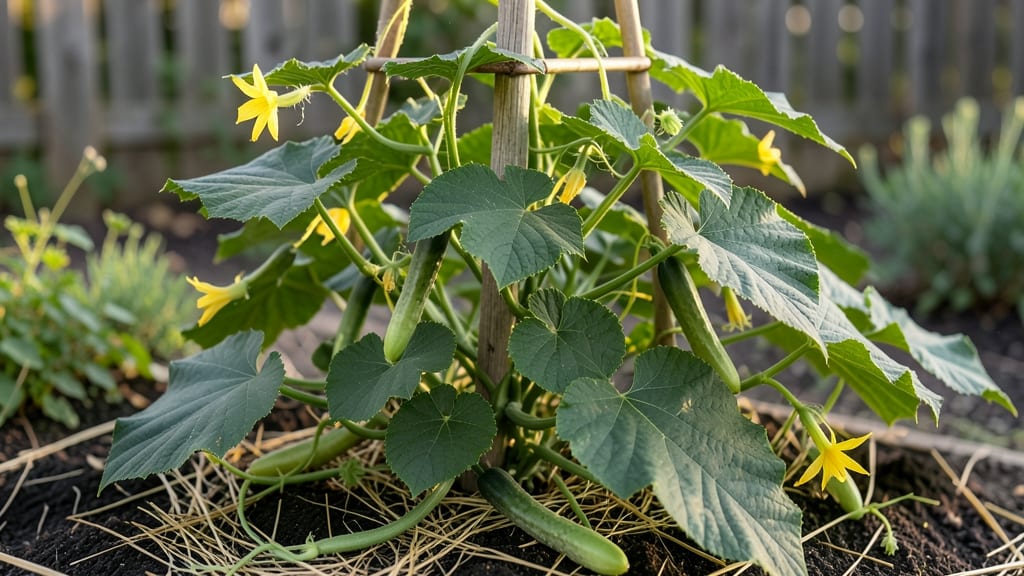
The Burpee hybrid cucumber delivers seedless, crisp slices in just 55 days—a game-changer for gardeners craving fast, productive harvests without the fuss of vines sprawling everywhere. 🌱 I’ve grown this variety for three seasons now, and the consistent 10-pound yields from compact bushes (not sprawling vines) make it my go-to for small spaces.
The secret lies in its parthenocarpic nature—meaning it sets fruit without pollination—so you get uniform, blemish-free cucumbers even in hot, humid summers.
This hybrid thrives in full sun and well-draining soil, but the real magic happens when you mimic its native conditions: warm soil (60°F+) and consistent moisture. Unlike traditional cucumbers, Burpee hybrids hate soggy roots, so raised beds or containers with drainage holes work best.
The bushy growth habit means no trellis needed, saving you space and effort—just stake individual plants if they lean too much.
By day 55, you’ll be harvesting 12-14 inch seedless cucumbers with that classic Burpee crunch, perfect for slicing or pickling. The plants resist common diseases like powdery mildew (thanks to their hybrid vigor), and pests like cucumber beetles are less attracted to the compact foliage.
Prune suckers early to focus energy on fruit production, and watch your harvest stretch into early fall.
Perfect for container gardens, small plots, or urban balconies, this cucumber checks all the boxes: fast, prolific, and foolproof. Whether you’re a first-time grower or a seasoned pro, this hybrid simplifies cucumber growing without sacrificing quality. Ready to skip the vines and get straight to slicing?
📚 In This Guide
- What you need
- Instructions
- Tips and common mistakes
- Wrapping up and next steps
What you need
- ● Seeds: 5–10 Cucumber Burpee Hybrid seeds (non-GMO, heirloom preferred)
- ● Containers or Garden Bed: 5-gallon pots (1–2 per plant) or
- ● 6-inch-deep garden bed with well-draining soil
- ● Potting Mix: 10–15 lbs of high-quality, sterile seed-starting mix (avoid garden soil)
- ● Fertilizer: Balanced organic fertilizer (e.g., 5-5-5 or 10-10-10) or
- ● Compost (well-aged, 2–3 cups per container)
- ● Watering Can or Hose: With a gentle spray nozzle
- ● Grow Lights or Sunny Spot: 6–8 hours of direct sunlight daily (or LED grow lights for indoor starts)
- ○ Trellis or Cage: 4–6 ft tall (optional but recommended for vertical growth)
- ● Pruning shears (for trimming vines)
- ● pH testing kit (ideal soil pH: 6.0–6.8)
- ● Mulch (straw or shredded leaves to retain moisture)
- ● Glove (to protect hands from prickly stems)
- ● Warm soil temperature (above 60°F/15°C) for planting
- ● Patience! Burpee hybrids mature in 55 days—soak up the wait! 😊
Step-by-step instructions for growing Burpee hybrid cucumbers
This is the method I’ve used for years to get thick, disease-resistant vines and crisp, seedless fruit—no fuss, just results.
🌱 Step 1: Prepare the Soil for Heavy Yields
Burpee Hybrid cucumbers thrive in well-draining, nutrient-rich soil with a pH between 6.0 and 6.8. Before planting, mix 3 gallons of compost into the top 12 inches of soil per 4-foot row. I like to add a handful of bone meal (about ¼ cup per plant) for phosphorus—this boosts root development and early vine strength.
Work the compost and bone meal into the soil until it’s loose and crumbly, like cake batter. Avoid compacting it—Burpee Hybrids hate dense soil. If your garden bed is heavy clay, add 2 gallons of perlite to improve drainage. Test the moisture by squeezing a handful: it should hold together but not drip water. This ensures roots get oxygen while retaining enough moisture for rapid growth.
☀️ Step 2: Plant Seeds or Transplants at the Right Time
Burpee Hybrid cucumbers won’t tolerate frost, so wait until soil temperatures reach 60°F before planting. If you’re starting from seed, sow ½ inch deep, 2 seeds per hole, spaced 6 inches apart. I plant in early May in my zone 6 garden—any earlier risks cold snaps that stunt growth. For transplants, bury them deeper than the pot to encourage stronger roots; only the top 1-2 sets of leaves should show above soil level.
Thin seedlings to one per hill when they’re 3 inches tall, using scissors to avoid disturbing roots. Mulch immediately with 2 inches of straw to retain moisture and suppress weeds. This is non-negotiable—Burpee Hybrids wilt fast in dry conditions. Water deeply at planting to settle the soil around roots, then let it dry slightly before watering again.
💧 Step 3: Train Vines for Maximum Productivity
Burpee Hybrids are bush-type cucumbers, meaning they don’t need trellises—but they do benefit from light support. Install 4-foot-tall cages or sturdy stakes at planting time. As vines grow, gently weave them through the cage to encourage upward growth. This prevents fruit from rotting on the ground and improves air circulation, cutting down on powdery mildew (a common issue with cucumbers).
Prune side shoots (those growing from the main stem’s leaf axils) when they’re less than 6 inches long. Use clean pruning shears to snip just above a leaf node. This redirects energy to fruit production instead of excessive foliage. I prune every 2 weeks once vines hit 18 inches tall—it’s a game-changer for yield.
✂️ Step 4: Harvest for Peak Flavor and Continuous Production
Burpee Hybrids mature in 55 days, but you’ll start seeing marketable fruit in 45 days if conditions are ideal. Harvest every 2-3 days—this keeps plants productive and prevents bitterness. Use sharp pruners to cut stems ½ inch above the fruit, leaving the stem attached to the vine. This reduces bruising and speeds regrowth.
Pick when cucumbers are 6-8 inches long for the best balance of crunch and sweetness. Look for deep green color and firm skin—if they’ve turned yellow or spotted, they’ve overripened. I harvest in the early morning when temps are cool; this preserves moisture and flavor. Store in the fridge for up to 5 days or use immediately in salads, pickles, or sandwiches.
🌿 Step 5: Extend the Season with Smart Care
To keep Burpee Hybrids producing until first frost, fertilize once more when you see the first harvest. Mix 1 tablespoon of 5-10-10 fertilizer into 1 gallon of water and apply at the base of each plant. Avoid high-nitrogen fertilizers—they promote leafy growth over fruit. Also, increase watering in hot, dry spells to prevent blossom-end rot, which shows up as dark, sunken spots on the fruit.
When temps drop below 50°F at night, cover plants with floating row covers or a cloche to extend the season by 2-3 weeks. Remove covers during the day to allow pollination. I’ve had Burpee Hybrids produce well into October using this trick—just don’t let them sit in cold, wet soil overnight.
Tips & tricks for perfect Burpee hybrid cucumber growth
Real talk: these cucumbers are finicky about conditions—but once you nail the details, you'll get a harvest that rivals the grocery store. Here's what nobody tells you about growing Burpee Hybrids like a pro.
Soil Science Matters: When mixing your 3 gallons of compost into the 12 inches of soil, don't just toss it in—work it down until you can see the dark organic matter throughout. I've seen gardeners skip this step and end up with vines that look healthy but produce tiny, bitter fruit. The key is creating that "cake batter" texture that roots love. For heavy clay soil, those 2 gallons of perlite aren't optional—they're what prevents root suffocation. I test soil moisture by squeezing a handful: if water drips out, wait a day before planting.
Timing is Everything: That 60°F soil temperature isn't just a suggestion—it's the minimum for germination. I've planted too early in cooler soils and watched seeds rot underground. Use a soil thermometer for accuracy, especially if your spring weather is unpredictable. For transplants, burying deeper than the pot might seem counterintuitive, but it encourages stronger root systems. Just leave those top 1-2 sets of leaves exposed to prevent rot.
Pruning Payoff: I get it—pruning side shoots feels like you're sabotaging growth. But here's the thing: those less than 6-inch shoots you're snipping are energy vampires. They'll steal nutrients from your fruit instead of letting them go to those 6-8 inch cucumbers you're after. Start pruning when vines hit 18 inches, and do it every 2 weeks like clockwork. Your plants will thank you with bigger, sweeter fruit and fewer disease issues from improved airflow.
Harvest Hack: Those every 2-3 days harvests aren't just about keeping plants productive—they're about flavor. Cucumbers start turning bitter after just 24 hours past their prime. I harvest in the morning when temps are cool, and I always cut ½ inch above the fruit with sharp pruners. This little detail prevents bruising and speeds up regrowth, meaning more cucumbers for you sooner. Store them in the fridge for up to 5 days, but honestly? They're best used fresh in salads or sandwiches the same day.
Pro Tips for Cucumber Burpee Hybrid
- Real talk: these cucumbers are finicky about conditions—but once you nail the details, you'll get a harvest that rivals the grocery store.
- Soil Science Matters: When mixing your 3 gallons of compost into the 12 inches of soil, don't just toss it in—work it down until you can see the dark organic matter throughout.
- Timing is Everything: That 60°F soil temperature isn't just a suggestion—it's the minimum for germination.
Frequently asked questions
Got questions about growing the cucumber burpee hybrid? You’re not alone! Here are some of the most common queries—and their answers—to help you grow this fast, productive, and seedless variety like a pro.
How long does it take for the cucumber burpee hybrid to bear fruit?
The Burpee hybrid is famous for its speed—expect bushy vines and seedless slices in as little as 55 days from planting! With the right conditions (warm soil, full sun, and consistent moisture), you’ll see flowers in 3–4 weeks and cucumbers shortly after. Pro tip: Start seeds indoors 2–3 weeks before your last frost for an even earlier harvest!
Do cucumber burpee hybrids need trellising, or can they grow bush-style?
While they can sprawl bush-style, trellising is highly recommended! This hybrid thrives vertically, saving space and improving air circulation to reduce disease. Use a 3–4 foot tall trellis or fence—just tie vines gently with soft plant ties or old fabric strips. Bonus: Vertical growth also speeds up harvesting and keeps fruits cleaner!
What should I do if my burpee hybrid cucumbers turn bitter?
Bitter cucumbers usually mean overripe fruit or stress from heat, drought, or poor soil. Harvest regularly (every 2–3 days!) to prevent bitterness. If your plants are struggling:
This compact hybrid is perfect for containers (5+ gallon pots or fabric grow bags work well). Just ensure:
These cucumbers love warmth! Ideal temps:
This hybrid is partially self-pollinating, but bees (or a small paintbrush) boost yields! If you’re in an urban area with few pollinators:
If bitterness persists, check for cucumber beetles (yellow/orange pests) and use row covers or neem oil.
Can I grow burpee hybrid cucumbers in containers?
For containers, water daily (they dry out faster) and fertilize every 2 weeks with a balanced formula.
What’s the ideal temperature range for burpee hybrid cucumbers?
Avoid planting until soil is at least 60°F (15°C)—cold soil delays germination. If your area has hot summers (above 90°F/32°C), use shade cloth to prevent sunscald on fruits.
Are burpee hybrid cucumbers self-pollinating, or do I need bees?
Even with hand-pollination, you’ll still get fruit—just maybe slightly fewer.
Wrapping up and next steps
The Cucumber Burpee Hybrid is a game-changer for home gardeners—packing bushy vines, seedless slices, and rapid growth (55 days!) into one easy-to-grow package. Whether you’re a beginner or a seasoned pro, this hybrid delivers high yields, disease resistance, and crisp, flavorful cucumbers with minimal fuss.
Why wait? Grab your seeds, prep your soil, and let nature do the rest!
🌱 Next step: Mark your calendar for planting (spring or late summer) and watch your garden thrive! Share your harvest with friends or savor the freshness straight from the vine—you’ve earned it! 🥒✨