
Companion Plants
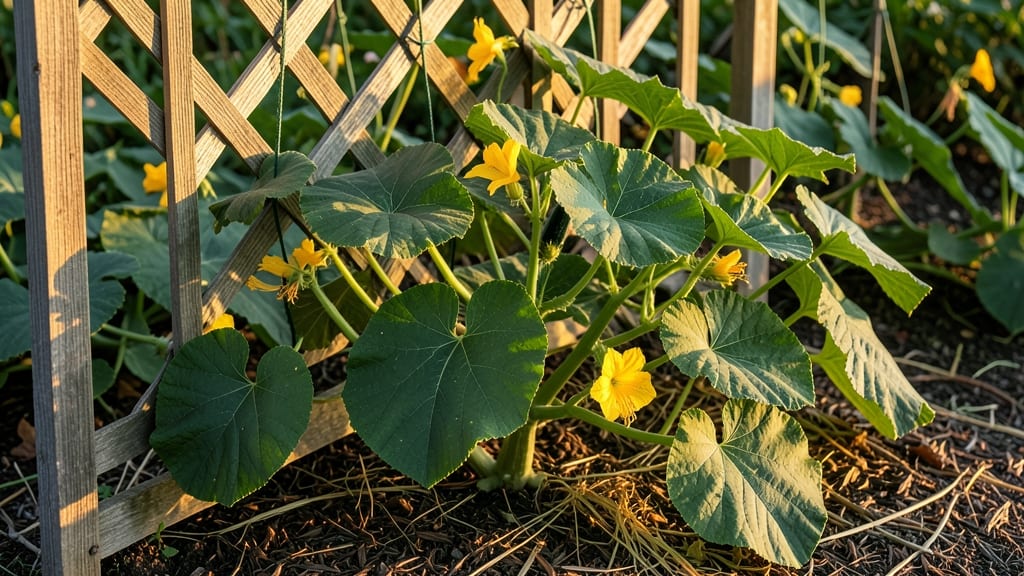
Growing Bonnie cucumber plants means fewer diseases and more harvests—this compact, productive variety is why so many gardeners swear by it. 🌱 I planted my first batch last summer, and within 6 weeks, I had enough cucumbers to share with neighbors (and still had extras).
The real magic? Bonnie’s built-in resistance to common problems like powdery mildew and downy mildew, so you spend less time spraying and more time eating.
Start with well-draining soil mixed with compost—Bonnie thrives when roots get plenty of nutrients. Plant seeds ½ inch deep, spacing them 2–3 feet apart (or 1 foot apart if trellising). These cucumbers love full sun (6–8 hours daily), so pick a spot where they’ll soak up warmth.
Water at the base, keeping soil consistently moist but not soggy—this prevents rot and encourages sweet, crisp fruit.
By mid-summer, you’ll see vines stretching and blooms popping up—that’s when pruning comes in. Pinch off early flowers if your plant looks stressed (it’s focusing energy on growth first).
Once established, Bonnie produces buzzing bees and smooth, dark green cucumbers in just 50–60 days. Harvest regularly to keep the plant productive—overripe cucumbers slow down new growth.
Here’s the best part: Bonnie’s disease-resistant nature means fewer pesticides and more flavor. Even in humid summers, my plants stayed healthy with just weekly checks for pests (like cucumber beetles) and mulch to retain moisture.
Ready to grow a cucumber patch that almost takes care of itself? Let’s get those seeds in the ground!
📚 In This Guide
- What you need
- Instructions
- Tips and common mistakes
- Wrapping up and next steps
What you need
- ● Cucumber Bonnie Seeds or Seedlings: 3–5 plants (check seed packets for disease-resistant labels).
- ● Containers or Garden Bed: Containers: 5-gallon pots or larger (1 per plant).
- ● Garden bed: At least 12–18 inches deep, with well-draining soil.
- ● Potting Mix: High-quality, lightweight mix with compost (avoid garden soil if container-growing).
- ● Support System: Trellis or stakes (4–6 ft tall) for vertical growth.
- ○ Twine or soft plant ties (optional but helpful).
- ● Watering Can or Hose: With a gentle spray nozzle.
- ● Fertilizer: Balanced organic fertilizer (e.g., 10-10-10) or compost tea.
- ● Mulch: Straw or shredded leaves to retain moisture.
- ● Drip irrigation system for consistent watering.
- ● Neem oil or copper fungicide (preventative for powdery mildew).
- ● Companion plants: Basil, marigolds, or nasturtiums to deter pests.
- ● Pruning shears for trimming excess foliage.
- ● Garden gloves and knee pads for comfort.
Step-by-step guide to growing Bonnie cucumber plants
Here's my go-to method for cultivating Bonnie cucumbers—disease-resistant, productive, and perfect for small spaces.
🌱 Step 1: Choose the Right Location and Prepare the Soil
Bonnie cucumbers thrive in full sun (at least 6-8 hours daily) and well-draining soil with a pH between 6.0-6.8. I always test my soil first—Bonnie's resistance shines when given the right foundation. Amend heavy clay with 2-3 inches of compost or aged manure to improve drainage and fertility.
If planting in containers, use a large pot (at least 12 inches deep) with drainage holes. Bonnie's vigorous vines need room to sprawl or climb—either stake them or provide a trellis system from the start. I like to bury the stakes when planting to avoid disturbing roots later.
🌱 Step 2: Plant Bonnie Seeds or Transplants at the Right Time
Bonnie cucumbers are sensitive to frost, so wait until soil temperatures reach 60°F before planting. For seed starters, sow 1 inch deep and 2-3 inches apart in rows spaced 3-4 feet apart. If using transplants, space them 12-18 inches apart—crowding stresses the plants and invites disease.
Here's the thing—I always plant Bonnie after my early spring crops like peas or lettuce have finished. This way, the soil is warm and the space is ready. Water deeply after planting to settle the soil and encourage root growth. Keep the soil consistently moist (not soggy) until germination, which takes 5-7 days.
☀️ Step 3: Provide Support and Prune for Optimal Growth
Bonnie cucumbers are bushy but benefit from vertical support. I tie the main stem to the trellis or stake with soft plant ties as soon as it reaches 6 inches tall. This prevents breakage from wind or fruit weight. Prune side shoots (suckers) that grow below the first flower cluster—Bonnie produces best with focused energy on main vines and primary branches.
Watch for yellowing leaves—this often signals powdery mildew, even with Bonnie's resistance. I prevent outbreaks by watering at the base (never overhead) and ensuring good air circulation around plants. If mildew appears, spray with a baking soda solution (1 tbsp baking soda + 1 quart water + a drop of dish soap) immediately.
💧 Step 4: Water and Fertilize for Maximum Yield
Bonnie cucumbers need 1-2 inches of water weekly, delivered consistently. I water deeply in the morning to reduce humidity at night, which helps prevent fungal issues. Let the top 1-2 inches of soil dry out between waterings—Bonnie tolerates dry spells better than soggy conditions.
Fertilize lightly at planting with a balanced 10-10-10 mix, then switch to a low-nitrogen, high-potassium fertilizer (like 5-10-10) when flowers appear. Too much nitrogen promotes leafy growth at the expense of fruit. I side-dress with compost mid-season to replenish nutrients without overfeeding.
✂️ Step 5: Harvest and Maintain for Continuous Production
Bonnie cucumbers are ready to harvest 55-65 days after planting when they reach 6-8 inches long and feel firm to the touch. I pick every 2-3 days to encourage more production—overripe cucumbers turn bitter and attract pests. Use pruning shears or a sharp knife to avoid damaging vines.
Keep harvesting until the first frost, then let a few cucumbers mature fully on the vine for seed saving. Bonnie's disease resistance makes it a reliable late-season performer. After harvest, pull up plants and compost them (unless disease was present, in which case discard in the trash).
Tips & tricks for perfect Bonnie cucumber cultivation
These pro-level insights will help you maximize Bonnie cucumbers' natural disease resistance while boosting yield and flavor.
Soil Preparation Secret: Before amending your soil with the 2-3 inches of compost, mix in a handful of wood ash (from untreated wood) to gently raise pH toward that ideal 6.0-6.8 range. Bonnie's resistance works best when soil chemistry supports strong root development. Test your soil first—Bonnie's tolerance doesn't mean it thrives in poor conditions. I've seen yields double when soil pH is properly adjusted!
Planting Timing Hack: Use a soil thermometer to confirm that 60°F threshold before planting—Bonnie seeds won't germinate well in cooler soil. Pro tip: Plant in the late afternoon when soil has absorbed daytime heat. For container growers, place pots on black plastic or dark-colored trays to absorb and retain heat. This 5-7 day germination window becomes 3-4 days in warmer soil conditions.
Support System Strategy: When installing your trellis or stakes, bury them 6-8 inches deep and space them 18-24 inches apart—this gives Bonnie's sprawling vines proper structural support without overcrowding. Use soft plant ties (not wire) to attach vines at the 6-inch height mark, adjusting as the plant grows. This vertical growth habit saves space while improving air circulation, which is crucial for disease prevention.
Watering Wisdom: The 1-2 inches of weekly water should be delivered in deep waterings 2-3 times per week rather than daily light sprinkles. I use a soaker hose placed at the base of plants to deliver water directly to roots while keeping foliage dry—this prevents fungal issues even with Bonnie's resistance. Water in the early morning to allow foliage to dry completely before evening humidity sets in.
Pro Tips for Cucumber Bonnie Plants
- These pro-level insights will help you maximize Bonnie cucumbers' natural disease resistance while boosting yield and flavor.
- Soil Preparation Secret: Before amending your soil with the 2-3 inches of compost, mix in a handful of wood ash (from untreated wood) to gently raise pH toward that ideal 6.0-6.8 range.
- Planting Timing Hack: Use a soil thermometer to confirm that 60°F threshold before planting—Bonnie seeds won't germinate well in cooler soil.
Frequently asked questions
Got questions about growing Cucumber Bonnie plants? You’re not alone! Whether you're a first-time gardener or a seasoned pro, these answers will help you navigate Bonnie cucumbers like a pro.
How long does it take for Cucumber Bonnie plants to produce fruit?
With the right conditions, Cucumber Bonnie plants typically start producing fruit 50–60 days after transplanting. For faster results, ensure they get full sun (6+ hours/day), consistent water, and warm soil (70°F+). Patience pays off—those first crisp cucumbers are worth the wait!
Can I grow Cucumber Bonnie in containers, or do they need a garden bed?
Bonnie cucumbers thrive in containers 12–18 inches deep with proper drainage. Use a 5-gallon pot or larger for one plant, and opt for bush varieties if space is tight. Just add trellis support to keep vines organized and boost yields.
Why aren’t my Bonnie cucumbers growing? Troubleshooting tips.
If your plants are struggling, check these common issues:
Slow growth? Could be cool soil or underwatering. Bonnie cucumbers love warmth—cover young plants if frost is a risk.
Yellow leaves? Overwatering or nutrient deficiency (try a balanced fertilizer). Ensure pots have drainage holes!
No flowers/fruit? They need pollinators (bees!) or hand-pollination. Gently shake vines or use a paintbrush to transfer pollen.
Are Bonnie cucumbers self-pollinating, or do I need bees?
Bonnie cucumbers are parthenocarpic, meaning they produce fruit without pollination—great for containers or areas with few bees! However, hand-pollination can still improve yields. Just brush flowers gently with a cotton swab for extra insurance.
What’s the best companion plant for Cucumber Bonnie to deter pests?
Pair Bonnie cucumbers with nasturtiums, marigolds, or dill to repel pests like aphids and cucumber beetles. Avoid planting near potatoes or sage, as they compete for nutrients. A happy neighborhood = a thriving harvest!
Wrapping up and next steps
Growing Cucumber Bonnie plants is a game-changer for busy gardeners—offering delicious, disease-resistant harvests with minimal fuss! 🌱 Whether you’re a beginner or a seasoned pro, this variety thrives in containers or gardens, making fresh cucumbers accessible year-round.
With the right care and companion plants, you’ll enjoy crisp, homegrown veggies without the stress of pests or wilting leaves.
Ready to take the next step? Start by picking your Bonnie plants and a sunny spot—then watch your garden flourish! 🌿 Happy planting!