
Vegetables
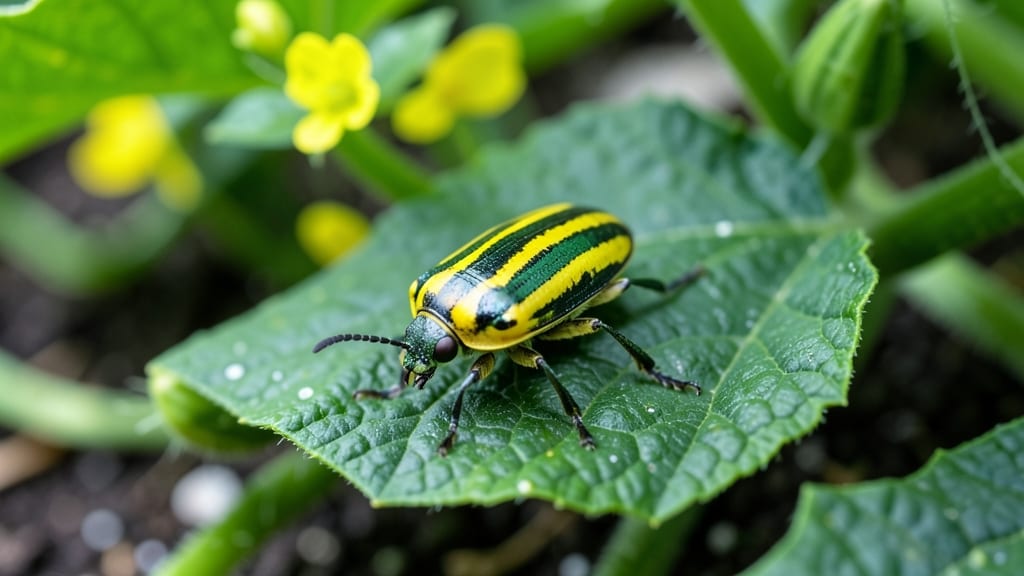
When cucumber beetles turn your garden into a skeleton of chewed vines, cucumber beetle spray is your fastest organic fix—but timing and technique matter more than just spraying. 🌱 I’ve watched these striped pests strip entire plants bare in less than a week, and I’ll show you how to stop them before they ruin your harvest.
The damage starts small—tiny holes in leaves, then wilting vines and yellowing fruit—but the real threat is bacterial wilt, which spreads like wildfire once beetles chew plant stems. Most sprays fail because they’re applied too late or miss the undersides of leaves where beetles hide.
The key is acting at first sight and hitting them with neem oil or insecticidal soap in the early morning when they’re sluggish.
You’ll see results within 24 hours: fewer beetles, new growth appearing, and plants that bounce back instead of collapsing. The best part? These sprays work on squash, melons, and beans too, so you’re protecting your whole garden. Just don’t wait until the beetles win—early intervention is everything.
For stubborn infestations, combine sprays with row covers or companion plants like radishes to distract them. The goal is prevention, not cleanup. Trust me, your cucumbers will thank you by September.
Root Causes Of Beetle Infestations
Cucumber beetles—those tiny, striped pests—don’t just appear out of nowhere. Their presence in your garden is usually the result of a mix of environmental, biological, and even human factors.
Understanding why they target cucumbers, squash, and melons is the first step to stopping them in their tracks. Let’s break down the science behind their unwelcome visits.
Healthy plants are naturally resistant to pests, but cucumber beetles thrive when your crops are vulnerable. Here’s how it happens:
- Nutrient Deficiencies: Plants lacking nitrogen, phosphorus, or potassium struggle to produce strong foliage and bitter-tasting compounds that deter beetles. A quick soil test can reveal imbalances—fix them with compost or organic fertilizers like fish emulsion.
- Stress from Weather: Drought or excessive heat weakens plants, making them more attractive to beetles. Pro tip: Mulch heavily to retain moisture and reduce stress.
- Overcrowded Gardens: Poor air circulation from densely planted vines creates the perfect hiding spot for beetles. Space plants 2–3 feet apart to improve airflow and deter pests.
Cucumber beetles aren’t random visitors—they follow a predictable life cycle that aligns with your garden’s growth stages:
| Stage | When It Happens | Why It’s Risky |
|---|---|---|
| Adult Emergence | Late spring to early summer (when cucurbit flowers appear) | Adults arrive first to feed on pollen and lay eggs in soil near stems. |
| Larvae Hatch | 2–3 weeks after egg-laying (June–July) | Larvae (white grubs) chew roots, weakening plants before pupating. |
| Second Generation | Late summer (if conditions are warm) | A second wave of adults emerges, often more aggressive and harder to control. |
Key takeaway: Beetles target flowering plants first—this is when they’re most active. Monitor your garden closely during these peak periods.
Not all plants are equal in the eyes of a cucumber beetle. These pests have a preference for crops in the Cucurbitaceae family, which includes:
- Cucumbers
- Squash (zucchini, butternut)
- Melons (cantaloupe, honeydew)
- Pumpkins
- Watermelons
Why? These plants produce volatile organic compounds (VOCs) that signal to beetles: “Feast here!” Additionally, their soft stems and leaves are easy pickings for both adult beetles and their larvae.
💡 Actionable fix: Interplant cucurbits with beetle-repelling companions like:
- Marigolds (release pyrethrins, a natural insecticide)
- Nasturtiums (trap beetles away from main crops)
- Basil (masks plant odors beetles use to locate hosts)
Sometimes, we accidentally create the perfect beetle buffet. Common garden mistakes that worsen infestations:
- Ignoring Debris: Old plant matter, fallen leaves, and crop residues provide shelter for overwintering adults. Clean up! Remove all garden waste by fall.
- Monoculture Planting: Growing only cucumbers in a row? Beetles will party there. Rotate crops yearly and avoid planting the same family in the same spot.
- Late Planting: Beetles emerge early. Planting cucurbits after the first wave (mid-to-late May in most zones) gives them a head start.
- Skipping Row Covers: Floating row covers (lightweight fabric) block adult beetles from landing. Without them, beetles feast freely during critical growth stages.
Quick Fixes for Cucumber Beetles
Cucumber beetles may seem like a stubborn pest, but with the right approach, you can reclaim your garden in no time. Below are practical, step-by-step solutions tailored to the root causes of infestations—whether it’s early detection, organic sprays, or long-term prevention.
If you’ve spotted cucumber beetles, act fast to prevent further damage.
🍳 Remove Adult Beetles by Hand
- When to do it: Early morning or late evening when beetles are sluggish.
- How to do it:
- Wear gloves and shake plants gently over a bucket of soapy water.
- Focus on leaves, stems, and flowers where beetles hide.
- Pro tip: 💡 Use a damp cloth or vacuum to collect them—no need for harsh chemicals!
👨🍳 Trap Crops & Yellow Sticky Traps
- Why it works: Beetles are attracted to bright yellow and cucurbit plants.
- How to set it up:
- Plant marigolds, nasturtiums, or radishes near vulnerable crops.
- Place yellow sticky traps (available at garden centers) near plants.
- Pro tip: 🌡️ Refresh traps weekly—they lose stickiness over time!
If beetles persist, homemade or store-bought organic sprays can save your plants.
🔪 DIY Sprays (Safe & Effective)
| Spray Recipe | Ingredients | How to Apply |
|---|---|---|
| Neem Oil Spray | 1 tbsp neem oil + 1 tsp dish soap + 1 quart water | Spray undersides of leaves at dusk (avoids harming bees). |
| Garlic & Chili Pepper Spray | 2 cloves garlic + 1 tbsp cayenne + 1 quart water (steep 24 hrs, strain) | Spray every 3–5 days; reapply after rain. |
| Kaolin Clay Spray | 1 tbsp kaolin clay + 1 quart water | Creates a protective barrier; reapply after rain. |
⚠️ Important: Always test sprays on a small leaf first to avoid plant damage.
🛒 Store-Bought Organic Options
- Pyrethrin-based sprays (derived from chrysanthemums) – Fast-acting but short-lived.
- Bacillus thuringiensis (Bt) variants – Safe for bees but must be reapplied often.
- Insecticidal soap – Effective but needs frequent reapplication.
Pro tip: ✨ Rotate sprays to prevent beetle resistance—don’t rely on just one method!
The best defense? Stopping beetles before they arrive.
🌱 Plant Smart & Rotate Crops
- Interplant with herbs: Basil, dill, and mint repel beetles naturally.
- Avoid planting cucumbers in the same spot yearly—beetles overwinter in soil.
- Use row covers (floating fabric) for young plants until they’re established.
🌡️ Soil & Mulch Tricks
- Apply diatomaceous earth around plant bases (reapply after rain).
- Use straw or grass clippings as mulch—beetles dislike crawling through it.
- Encourage beneficial insects: Ladybugs, lacewings, and parasitic wasps eat cucumber beetle eggs.
🎯 Timing Is Everything
- Plant early varieties to harvest before beetles peak (late spring/early summer).
- Monitor egg-laying sites: Check under leaves for tiny yellow eggs and scrape them off.
Final Reminder: Consistency is key! Check plants daily for new beetles, especially after rain or wind, which can bring them in from hiding. With these methods, your cucumbers, squash, and melons will thrive—without a single beetle in sight! 🚀
Frequently asked questions
How often should I apply cucumber beetle spray?
For organic sprays like neem oil or insecticidal soap, apply every 3-5 days or after rain. Store-bought pyrethrin sprays work faster but need reapplication every 7-10 days. Always check undersides of leaves where beetles hide—consistency is key to preventing reinfestation.
Will cucumber beetle spray harm my plants?
Most organic sprays are safe when used correctly, but always test on a small leaf first. Avoid applying neem oil or insecticidal soap in direct sunlight (can cause leaf burn) and never spray flowers if bees are active. For chemical options, follow label instructions carefully to protect beneficial insects.
Can I mix homemade sprays with chemical pesticides?
No—mixing homemade sprays with chemical pesticides can create toxic reactions or reduce effectiveness. Instead, alternate between organic and chemical treatments (like pyrethrin sprays) with at least 48 hours between applications. This rotation prevents beetle resistance and keeps your garden safe.
What's the best time of day to spray for cucumber beetles?
Spray in the early morning or late evening when beetles are least active and bees are less likely to be foraging. Avoid midday heat, which can stress your plants and reduce spray effectiveness. This timing also helps protect pollinators while still targeting the pests.
How do I know if my spray worked?
Look for fewer beetles on leaves within 24-48 hours and new growth appearing. If you still see beetles after 3-5 days, try a different spray (like garlic-chili mix) or combine methods (spray + row covers). Persistent issues may mean you're dealing with a second beetle generation—adjust your approach accordingly.