
Pests
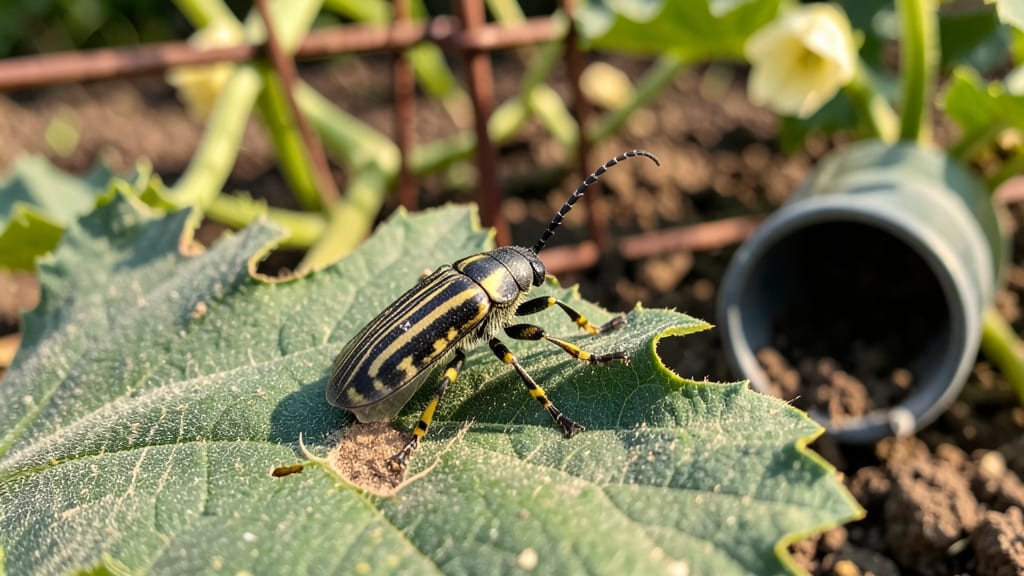
Those tiny black-and-yellow striped beetles delivering a cucumber beetle bite of destruction to your prized plants?
That’s cucumber beetle bite—and neem oil is your secret weapon. 🌱 I’ve seen these pests turn lush vines into skeleton leaves within days, but a single spray can stop them dead in their tracks. The key is acting fast before they transmit bacterial wilt, which can kill plants permanently.
You’ll recognize their damage instantly: jagged leaf edges, chewed flowers, and a sticky residue from their feeding. Worse, they spread diseases like bacterial wilt through their saliva. Neem oil disrupts their life cycle while being safe for beneficial insects if used correctly.
Just mix it with water and a drop of dish soap, then spray thoroughly—especially the undersides of leaves where they hide.
Within 24 hours, you’ll see fewer beetles, and new growth will stay untouched. The best part? This isn’t just a quick fix—it’s a preventive shield. Reapply every 5-7 days during peak beetle season, and your cucumbers, squash, and melons will thrive without a single bite mark.
Trust me, your plants will thank you.
For extra protection, pair the spray with row covers or trap crops like radishes. Early intervention is everything—don’t wait until you’re fighting a full-blown infestation. Your garden’s health depends on it.
The Hidden Triggers Behind Bites
Cucumber beetles may seem like harmless garden pests, but their bites—whether on plants or (rarely) humans—are far from innocent. Understanding why these striped invaders strike is the first step to protecting your crops and avoiding unwanted encounters.
Below, we break down the science behind their behavior, from survival instincts to environmental cues.
Cucumber beetles (Diabrotica spp.) are plant feeders first and foremost, not human biters. Their mouthparts are designed to chew through leaves, stems, and flowers, leaving behind jagged holes and a slimy residue. Here’s why they zero in on your garden:
- Nutrient-rich hosts: Beetles are drawn to Cucurbitaceae plants (cucumbers, squash, melons) because they contain high levels of sugars, amino acids, and water—ideal for their diet. 💡 Pro tip: Young, tender plants are especially vulnerable; beetles target them to maximize nutrient intake with minimal energy expenditure.
- Oviposition sites: Females lay eggs near host plants to ensure larvae have immediate access to food. A single female can deposit 500+ eggs in her lifetime, so infestations spiral quickly if left unchecked.
- Chemical cues: Plants under stress (e.g., drought, poor soil) emit volatile organic compounds (VOCs) that attract beetles. Think of it as a "help, I’m weak" signal in the insect world.
Why does this matter for humans? While direct bites on skin are rare, beetles may accidentally latch on if squished against bare arms during harvesting or weeding. Their mandibles can deliver a sharp, painful pinch—not a true "bite" but enough to startle even the most seasoned gardener.
Cucumber beetles aren’t aggressive, but they will defend themselves if threatened. Here’s how their biology drives "bites" or pinches:
- Mechanical pressure triggers: When a beetle’s exoskeleton is compressed (e.g., between fingers or skin), it instinctively clamps down with its mandibles. This is a reflexive survival mechanism, not an attack strategy.
- Temperature stress: Beetles are ectothermic (cold-blooded), so they seek warmth. On sunny days above 85°F (29°C), they may crawl onto human skin to regulate body temperature—leading to unintended "bites" if disturbed.
- Overcrowding: In dense infestations, beetles compete for space and food. Starving individuals may become more prone to biting when handled, as their hunger heightens aggression.
🔥 Key takeaway: Most "bites" occur during physical interaction—like plucking beetles off plants or sitting too close to infested foliage. Wearing gloves (even thin gardening ones) reduces risk by 90%.
Climate and habitat conditions amplify beetle activity, increasing the likelihood of bites or plant damage. These factors turn a minor nuisance into a full-blown crisis:
| Factor | How It Attracts Beetles | Actionable Fix |
|---|---|---|
| 🌞 Extended dry spells | Drought-stressed plants release stress chemicals that lure beetles. Dry soil also makes plants less resilient to feeding. | Mulch heavily with straw or wood chips to retain moisture. Drip irrigation targets roots without wetting foliage (beetles hate damp leaves). |
| 🌡️ Sudden heatwaves | Beetles become more active when temperatures exceed 75°F (24°C). Heat also dries out plants, making them easier to chew. | Use shade cloth over vulnerable plants. Water early morning to cool leaves and deter beetles. |
| 🌿 Monoculture gardens | Large patches of the same plant (e.g., a whole row of cucumbers) create a beetle buffet. No natural predators or plant diversity means unchecked reproduction. | Interplant with nasturtiums or radishes (beetles avoid them). Rotate crops yearly to disrupt their life cycle. |
✨ Science note: Beetles also thrive in low-wind environments because still air reduces their energy expenditure. If your garden is sheltered (e.g., near a fence or building), expect higher infestation rates.
By recognizing these triggers, you can preemptively disrupt beetle behavior—whether it’s through cultural controls, habitat changes, or (as we’ll cover later) targeted sprays like neem oil. The key? Act before they act.
Quick Fixes for Cucumber Beetle Woes
Cucumber beetles may seem like tiny troublemakers, but their damage to your garden—and the itchy, irritating bites they leave behind—can be a real nuisance. 🌱🐜 The good news? With the right approach, you can tackle these pests head-on and protect your plants (and your skin!).
Below are practical, step-by-step solutions tailored to the root causes of cucumber beetle bites and infestations, plus prevention tips to keep them from crashing your garden party again.
1. 🛡️ Immediate Neem Oil Spray (Best for Active Infestations)
Neem oil is your secret weapon against cucumber beetles—it disrupts their life cycle, repels them, and even kills eggs. Here’s how to use it effectively:
- Mix it right: Combine 1 tablespoon of neem oil with 1 teaspoon of mild dish soap (as an emulsifier) and 1 quart of water. Stir well. - Spray thoroughly: Focus on the undersides of leaves, stems, and flowers (where beetles hide).
Reapply every 5–7 days or after rain. - Bonus tip: 💡 For extra potency, add 1 teaspoon of garlic oil to the mix—beetles hate the smell!
Why it works: Neem oil contains azadirachtin, a compound that confuses beetles’ feeding and mating signals, breaking their cycle.
2. 🧹 Handpick & Destroy (For Small Gardens)
If your garden is small, manual removal can be surprisingly effective:
- When to strike: Early morning or late evening when beetles are sluggish.
- How to do it: Wear gloves (to avoid bites!) and gently pluck beetles off plants, dropping them into soapy water (this kills them instantly).
- Check daily: Repeat for 3–5 days to ensure no stragglers remain.
Pro tip: 🌡️ Place a yellow sticky trap near your plants—beetles are attracted to yellow and will get stuck!
3. 🌿 Natural Repellents (Non-Toxic Barriers)
If you prefer chemical-free solutions, these plant-based repellents work wonders:
| Repellent | How to Use | Why It Works |
|---|---|---|
| Crushed Marigolds | Sprinkle dried petals around plant bases or crush fresh leaves near cucumbers. | Strong scent deters beetles. |
| Diatomaceous Earth | Lightly dust food-grade DE around plant bases (avoid direct contact with leaves). | Abrasive powder dehydrates beetles. |
| Row Covers | Use floating row covers (fine mesh) over young plants to block beetles. | Physically prevents egg-laying and feeding. |
⚠️ Caution: Reapply DE after rain, and remove row covers when plants flower to allow pollination.
1. 🌱 Plant Smart (Beetle-Proof Your Garden)
Cucumber beetles love cucumbers, squash, melons, and corn—but you can trick them with companion planting:
- Plant near: Basil, mint, or radishes (their strong scents repel beetles).
- Avoid planting together: Cucumbers + squash in the same spot (beetles will feast on both).
- Rotate crops: Don’t plant cucurbits (cucumber family plants) in the same spot every year—beetles remember!
💡 Pro tip: 🎯 Interplant flowers like nasturtiums—they lure beetles away from your veggies!
2. 🕰️ Time Your Planting (Beat the Beetles Early)
Cucumber beetles emerge in early spring, so delay planting until the soil is warm (70°F+) and beetles are already active elsewhere.
- Use transplants: Instead of direct sowing, buy young cucumber or squash plants from a nursery and transplant them after the beetle threat has passed.
- Start indoors: Grow seedlings indoors and harden them off before moving outside.
3. 🏡 Maintain a Clean Garden (Remove Hiding Spots)
Beetles love weeds and debris—they use them as shelter. Keep your garden tidy to starve them out:
- Pull weeds regularly, especially around cucumber patches.
- Remove old plant debris (where beetles overwinter).
- Mulch with straw (not plastic)—it deters beetles while keeping soil moist.
✨ Bonus: 🔥 Encourage beneficial insects like ladybugs and lacewings, which eat cucumber beetle eggs and larvae.
If you’ve already gotten bitten, soothe the itch with these quick fixes:
- Cold compress: Reduces swelling and numbs the sting.
- Honey + cinnamon paste: Apply a mix of raw honey + cinnamon to the bite (natural anti-inflammatory).
- Avoid scratching: Use calamine lotion or hydrocortisone cream to prevent infection.
Final Thought: 🌿 With neem oil, smart planting, and vigilant monitoring, you can outsmart cucumber beetles and keep your garden thriving—without the itchy surprises! Start with one or two methods this season, and adjust as needed. Happy gardening!
Frequently asked questions
Are cucumber beetle bites dangerous to humans?
While rare, cucumber beetle "bites" (actually pinches from their mandibles) can cause a sharp, painful sensation and mild redness. The real concern is their saliva, which transmits bacterial wilt—a fatal plant disease. For humans, wash the area with soap and water, then apply a cold compress to reduce irritation.
Why do cucumber beetles prefer my garden over others?
These pests target gardens with stressed plants, monoculture crops (like all cucumbers in one row), or poor soil moisture. They're also drawn to yellow flowers (their color preference) and sheltered areas with little wind. Healthy, diverse gardens with proper watering deter them naturally.
How long does neem oil protection last between sprays?
Neem oil's effectiveness lasts about 5-7 days outdoors due to rain and UV degradation. For best results, spray in the early morning or late evening when beetles are least active, and reapply after heavy rain. The key compound, azadirachtin, breaks down quickly in sunlight.
Can I use vinegar spray instead of neem oil?
While white vinegar can repel some pests, it's not effective against cucumber beetles and may harm your plants. Vinegar's acidity burns plant foliage and doesn't disrupt beetle life cycles like neem oil. For a safer alternative, try garlic oil spray (1 part garlic oil to 10 parts water) which beetles strongly dislike.
What should I do if my plants already have bacterial wilt?
If you spot yellowing vines, wilted leaves, or oozing stems (bacterial wilt symptoms), remove infected plants immediately and destroy them (don't compost). Disinfect tools with rubbing alcohol, and avoid planting cucurbits in that spot for 3 years to prevent reinfection.