
Planting
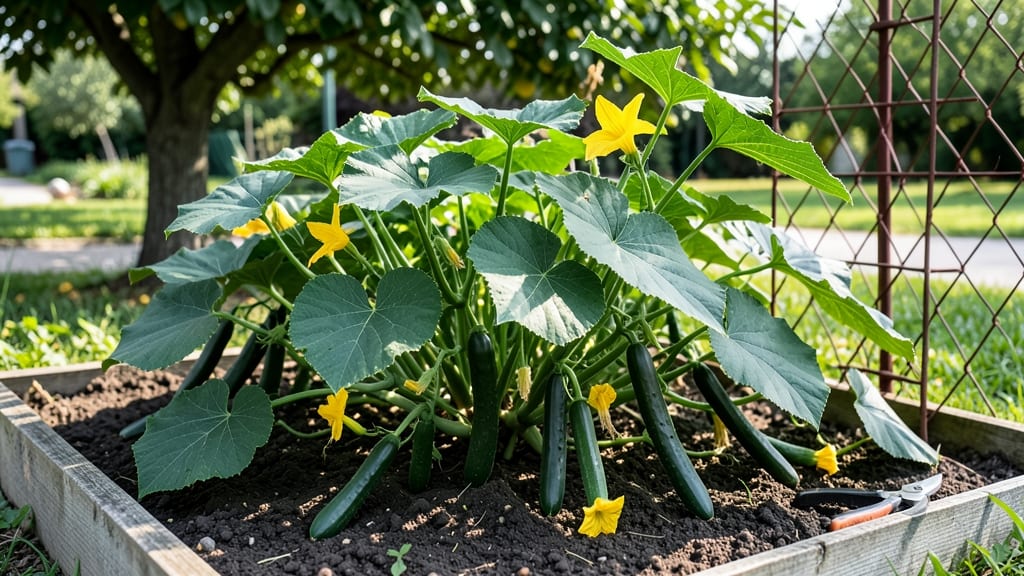
Chinese cucumber plants (Luffa aegyptiaca) shoot up in just 5-7 days—the fastest germination I’ve ever seen. 🌱 Honestly, I planted mine last spring on a whim, and within a week, those little tendrils were breaking through the soil like they were racing for something.
The secret? They thrive in heat and don’t fuss over soil perfection, making them ideal for gardeners who want quick rewards without the wait.
You’ll need a sunny spot with at least 6 hours of direct light daily—think full sun, not dappled shade—and soil that drains well but stays slightly moist. These vines grow 10-20 feet long, so plan for a trellis or sturdy fence.
Water consistently, but avoid soggy roots; they’re drought-tolerant once established, which is a lifesaver when summer hits. The real magic happens when you let them climb—prune side shoots to focus energy on the main vine, and watch those cucumbers (yes, they start as edible fruits!) grow faster than weeds.
By mid-summer, you’ll be harvesting ribbon-like fruits that turn into luffa sponges if left to mature—talk about a two-in-one win. The plants handle pests surprisingly well, though aphids might crash the party.
A strong spray of water usually does the trick. The best part? Even if you forget to harvest, the vines keep producing until frost. That’s zero guilt, maximum harvest for busy gardeners.
Pro tip: Save a few seeds from your best plants—they grow true to type, and next year’s germination will be even faster. Start indoors 4-6 weeks before last frost if your climate is cool, or direct-sow when soil hits 60°F.
Just don’t overcrowd them; these guys need space to stretch and shine. Ready to grow something that moves at your pace?
📚 In This Guide
- What you need
- Instructions
- Tips and common mistakes
- Wrapping up and next steps
What you need
- ● Seeds: 5–10 Chinese cucumber (Cucumis sativus) seeds (e.g., 'Suyo Long' or 'Diva' for quick germination).
- ● Potting Mix: 1–2 bags (10–20 lbs) of well-draining, organic potting soil (or a mix of 60% garden soil + 40% compost).
- ● Containers or Garden Bed: Containers: 5-gallon pots (1 per plant) with drainage holes.
- ● Garden Bed: 12–18 inches of loose, fertile soil (amend with compost if needed).
- ● Fertilizer: Balanced Fertilizer: 5–10–10 (NPK) or compost tea for organic growth.
- ○ Optional Boost: 1 tbsp Epsom salt (for magnesium) at planting time.
- ● Watering Supplies: Watering can or hose with a gentle spray nozzle.
- ○ Optional: Drip irrigation kit for consistent moisture.
- ○ Support Structures (Optional but Helpful): Trellis, cages, or stakes (3–4 ft tall) to encourage vertical growth.
- ● Sunlight: Full sun (6–8 hours daily).
- ● Temperature: Warm soil (70–90°F) for germination; ideal growing temps: 75–85°F.
- ● Water: Keep soil consistently moist (not soggy).
- ● Patience: Germination in 3–7 days (this variety is fast!).
Step-by-step instructions for growing Chinese cucumbers from seed
Here’s how I grow this fast-germinating variety—ready for harvest in just 50 days with minimal fuss.
🌱 Step 1: Prep Seeds and Soil for Speed
Chinese cucumbers sprout in 3-5 days when conditions are right. Start by soaking 2-3 seeds per cell in lukewarm water for 12 hours—this softens the outer coating and triggers faster germination. I use a seedling heat mat set to 75-85°F to keep the soil warm, which cuts germination time nearly in half.
Fill 4-inch biodegradable pots with sterile seed-starting mix (never garden soil—it’s too dense and may harbor pathogens). Moisten the mix until it’s damp like a wrung-out sponge, then press it down lightly to remove air pockets. The goal is a fine, even texture that holds moisture without becoming soggy. Tap the pots gently on the table to settle the soil—this prevents hollow stems later.
💧 Step 2: Plant and Maintain Humidity
Drop the soaked seeds ½ inch deep into each pot, spacing them 1 inch apart. Cover lightly with a thin layer of additional mix—just enough to obscure the seeds. Mist the surface with a spray bottle until the soil looks uniformly damp, but avoid puddles. Chinese cucumbers despise soggy conditions, so drainage is critical.
Cover the pots with a clear plastic dome or wrap them in plastic wrap to trap warmth and humidity. Place them under grow lights (or in a south-facing window) where temperatures stay above 60°F at night. Check daily for condensation—if the dome fogs up, you’ve got the right moisture balance. Remove the cover once 50% of seeds sprout (usually 3-4 days) to prevent damping-off disease.
☀️ Step 3: Provide Light and Support Early
As soon as the first true leaves appear (not the initial seed leaves), move seedlings under 14-16 hours of bright light daily. Chinese cucumbers grow fast but leggy if light is insufficient. I use a T5 LED grow light mounted 2-3 inches above the plants, raising it weekly to maintain that distance. You’ll know the light is right when leaves are dark green and compact—no pale, stretched stems.
When seedlings reach 4 inches tall (about 10-14 days), install a small trellis or tomato cage beside each pot. Chinese cucumbers vine aggressively, and supporting them early prevents sprawl and disease. Gently weave the main stem around the trellis as it grows—this encourages upward growth and keeps foliage off the damp soil.
🌿 Step 4: Transplant and Train for Maximum Yield
Once seedlings have 3-4 true leaves and nighttime temperatures stay above 55°F (usually 2-3 weeks after sowing), transplant them into the garden or 5-gallon containers. Bury the stems deeper than the seed leaves—this promotes root growth along the buried stem. Space plants 18 inches apart in rows 3 feet apart to allow airflow and reduce humidity-related diseases.
After transplanting, water deeply at the base to settle the soil and encourage root expansion. Mulch with 2 inches of straw to retain moisture and suppress weeds—Chinese cucumbers need 1-1.5 inches of water weekly, but mulch cuts evaporation by half. Watch for male and female flowers (female flowers have tiny cucumbers at their base)—pinch off the first few male blooms to let the plant focus energy on fruit production.
✂️ Step 5: Harvest and Prune for Continuous Production
Chinese cucumbers mature fast—pick fruits when they’re 4-6 inches long for peak flavor and texture. Use sharp scissors or pruners to cut stems ½ inch above the fruit to avoid damaging the vine. Harvest every 2-3 days to encourage more blooms—overripe cucumbers signal the plant to slow production.
Prune aggressively to keep the plant focused on fruit. Remove yellow leaves immediately, and trim side shoots that form below the first female flower to redirect energy to the main vine. If vines get too crowded, thin to 2-3 main stems per plant. With this approach, I’ve seen continuous harvests for 6-8 weeks—far longer than standard cucumbers.
Tips & tricks for fast-germinating Chinese cucumbers
Here’s what I’ve learned after growing these speedy vines for years—these tricks cut down on common pitfalls and maximize your harvest.
Germination Speed Hack: The 12-hour soak in lukewarm water is non-negotiable for Chinese cucumbers. I’ve found that using a seedling heat mat at 75-85°F cuts germination time from 3-5 days to just 2-3 days. Pro tip: Place a small thermometer on the mat to monitor temps—consistency is key. If your kitchen dips below 60°F at night, consider a second heat source like a ceramic heat emitter.
Soil Texture Secret: When filling those 4-inch biodegradable pots, don’t just dump in the sterile seed-starting mix. Press it down firmly to eliminate air pockets—this creates a uniform growing medium that prevents hollow stems. I tap the pots gently on the table after filling to settle the soil. This step might seem minor, but it makes all the difference when your seedlings reach the 4-inch height mark around day 10-14.
Lighting Strategy: The 14-16 hours of daily bright light is critical for preventing leggy seedlings. I’ve found that T5 LED grow lights work best when mounted just 2-3 inches above the plants. Here’s my trick: Raise the lights weekly as your seedlings grow, but keep them close enough that you can just barely touch the leaves to the bulbs without resistance. This creates that perfect compact growth we want—dark green leaves without any pale stretching.
Transplanting Timing: Waiting until seedlings have 3-4 true leaves before transplanting gives them enough strength, but don’t wait too long. I’ve seen Chinese cucumbers get too crowded in their pots and develop weak stems. When transplanting, bury the stems deeper than the seed leaves—this encourages root growth along the buried portion. The deeper you bury (up to 2 inches), the more robust your plant will be when it hits the garden or containers.
Pro Tips for Chinese Cucumber Plant
- Here’s what I’ve learned after growing these speedy vines for years—these tricks cut down on common pitfalls and maximize your harvest.
- Germination Speed Hack: The 12-hour soak in lukewarm water is non-negotiable for Chinese cucumbers.
- Soil Texture Secret: When filling those 4-inch biodegradable pots, don’t just dump in the sterile seed-starting mix.
Frequently asked questions
Got questions about growing Chinese cucumber plants? You’re not alone! Here are answers to the most common queries—from germination tips to troubleshooting—so you can grow this fast-growing variety with confidence.
How long does it take for Chinese cucumber seeds to germinate?
Chinese cucumber seeds typically sprout in 3–7 days when planted in warm soil (70–90°F). Keep the soil consistently moist and avoid overwatering, which can cause rot. For faster results, soak seeds in warm water for 4–6 hours before planting. Pro tip: Use a heat mat if your climate is cool!
Can I grow Chinese cucumbers indoors?
These cucumbers thrive indoors with 6+ hours of sunlight daily (a grow light works too). Use a 5-gallon container with drainage, and train vines with a trellis to save space. Just watch for pests like spider mites—mist leaves occasionally to boost humidity.
Why are my Chinese cucumber leaves turning yellow?
Yellow leaves often signal overwatering, nutrient deficiency, or pests. Check soil moisture (it should be damp, not soggy), and fertilize with a balanced 10-10-10 mix every 2–3 weeks. Inspect undersides for aphids or powdery mildew—spray with neem oil if needed. Prevent tip: Rotate plants for even sunlight exposure!
Are Chinese cucumbers the same as regular cucumbers?
Not quite! Chinese cucumbers (like Suyo Long or Diva) are longer, thinner, and less seedy than slicing cucumbers. They’re milder, crunchier, and perfect for stir-fries or pickling. Try them raw in salads too—they’re a flavor upgrade!
What’s the best temperature for growing Chinese cucumbers?
Chinese cucumbers love warmth—ideal temps are 70–90°F for growth. They won’t tolerate frost, so wait until nighttime temps stay above 55°F before planting. If you’re in a short season, start seeds indoors 3–4 weeks before the last frost. Cold warning: Below 50°F slows germination and stunts vines.
Can I grow Chinese cucumbers in containers?
Yes! Use a large container (at least 12 inches deep) with well-draining soil. A 5-gallon bucket works for 1–2 plants. Add compost for nutrients and a trellis to support vines. Just ensure the pot has drainage holes to prevent root rot. Space tip: Place containers near a sunny wall for extra warmth!
Wrapping up and next steps
Growing a Chinese cucumber plant is a rewarding way to enjoy fresh, crisp produce without the long wait—thanks to its fast germination and quick harvest time! Whether you're a busy gardener or a beginner, this variety thrives with minimal effort, making it perfect for small spaces or containers. 🌱
Now that you’re armed with the right materials and answers to common questions, it’s time to roll up your sleeves and plant!
Start with a sunny spot, keep the soil moist, and watch your garden transform in just a few weeks. Happy growing—your first harvest is closer than you think! 🌿✨