
Container Gardens
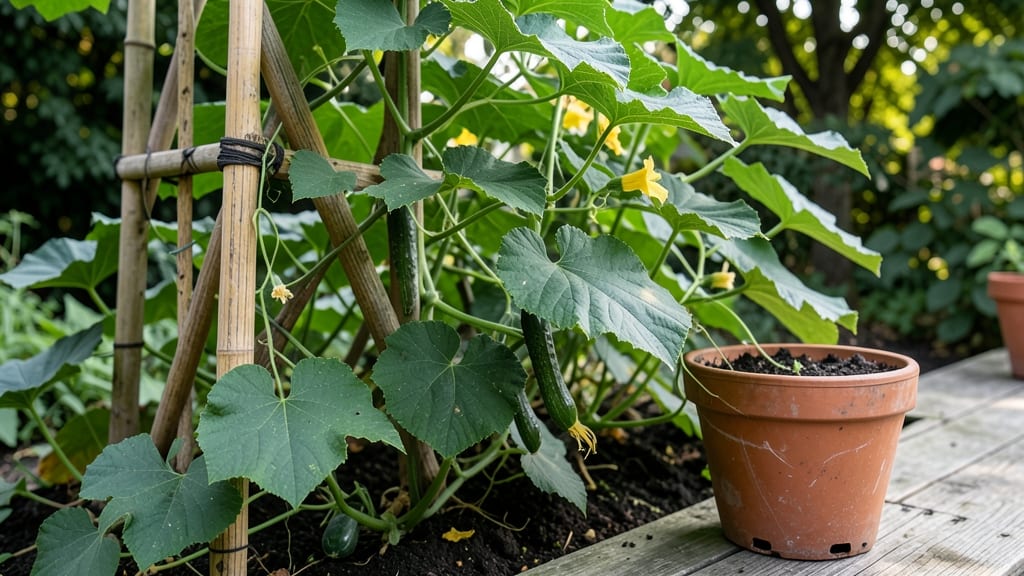
Growing cucumbers in pots isn’t just possible—it’s how I’ve packed fresh, crisp cucumbers onto my tiny balcony every summer. 🌱 The key lies in choosing the right varieties and containers, which turns what feels like a limitation into a productive space-saver.
You’ll need 5-gallon containers or larger for vining types, with drainage holes to prevent soggy roots. Smaller pots work for bush varieties, but all need nutrient-rich potting mix and 6+ hours of sunlight daily. My favorite setup?
A 5-gallon fabric pot on the balcony railing, paired with a compact trellis to keep vines contained. By mid-July, you’ll be harvesting bite-sized cucumbers straight from your porch. The secret? Consistent watering (never let soil dry out) and a balanced fertilizer to keep plants thriving.
Even in small spaces, this setup delivers more cucumbers than you’d get from a traditional garden plot. Urban gardeners love this method because it avoids pests, skips weeding, and lets you grow cucumbers where grass won’t. Just watch for overwatering—root rot is the biggest pitfall—and you’re golden.
📚 In This Guide
- What you need
- Instructions
- Tips and common mistakes
- Wrapping up and next steps
What you need
- ● Container: A 5-gallon pot or larger (minimum 12–18 inches deep and wide) with drainage holes. Pro tip: 💡 Use fabric grow bags or plastic pots with handles for easy mobility.
- ● Potting Mix: 1–2 bags (1–2 cubic feet each) of lightweight, well-draining potting mix (avoid garden soil—it compacts!). Pro tip: 🌡️ Mix in perlite or vermiculite (20–30%) for extra aeration.
- ● Cucumber Seeds or Seedlings: 2–3 compact varieties (e.g., Bush Champion, Spacemaster, or Bush Pickle) per pot. Pro tip: ✨ Start seeds indoors 4–6 weeks before last frost or buy transplants for faster results.
- ● Fertilizer: Balanced, water-soluble fertilizer (10-10-10 or 5-5-5) or compost tea for organic options. Pro tip: 🎯 Feed every 2–3 weeks once plants flower.
- ● Support System: Trellis, cage, or stakes (3–4 feet tall) to encourage vertical growth and prevent sprawling. Pro tip: 🔥 Use tomato cages or DIY wire frames for budget-friendly options.
- ● Basic Tools: Garden trowel, pruning shears, and spray bottle for watering seedlings.
- ● Mulch: Straw or shredded leaves to retain moisture and suppress weeds.
- ● Drip irrigation or watering can with a narrow spout for precise watering.
- ● Epsom salt (magnesium sulfate) for leafy growth (1 tbsp per gallon of water, monthly).
- ● Row covers or netting to protect from pests like cucumber beetles.
- ● Grow lights (LED or fluorescent) if starting seeds indoors without sunlight.
How to grow cucumbers in pots: a balcony gardener's guide
Yes, you can grow cucumbers in containers—here's how to pick the right varieties and set them up for success.
🌱 Step 1: Choose Compact Varieties and Prepare Containers
Start with bush or dwarf cucumber varieties like 'Bush Champion' or 'Spacemaster'—they thrive in pots and produce abundantly without sprawling vines. A 5-gallon container works for one plant, but I always use at least 7 gallons for better root growth and yield. Make sure the pot has drainage holes—cucumbers hate soggy roots.
Fill the container with a well-draining potting mix (never garden soil). I blend my own using 50% premium potting mix, 30% compost, and 20% perlite for aeration. The mix should feel light and crumbly when squeezed—like a damp sponge, not a mud ball. Pre-moisten it before planting so the roots can settle in without shock.
☀️ Step 2: Plant and Provide Support Early
Sow 1-2 seeds per pot at a depth of 1 inch, spacing them 1 inch apart. If you're transplanting seedlings, place them 2-3 inches deep to encourage strong root development. Thin to the strongest seedling if you planted two—crowding leads to weak, disease-prone vines.
Install a trellis or cage immediately after planting. Cucumbers grow fast, and vines can reach 6-8 feet even in compact varieties. I use 5-foot bamboo stakes tied with soft twine—this prevents breakage as the plant matures. The moment you see the first true leaves, gently weave the main vine onto the support to train it upward.
💧 Step 3: Water and Feed for Maximum Yield
Cucumbers need consistent moisture—water when the top 1-2 inches of soil feel dry. I check this by sticking my finger in; if it comes out clean, it's time to water. Deep watering (until water runs out the drainage holes) encourages roots to grow downward. Avoid wetting the leaves to prevent powdery mildew, a common pot-grown cucumber nemesis.
Feed every 2 weeks with a balanced liquid fertilizer (10-10-10 or 20-20-20) diluted to half strength. I also sprinkle compost tea around the base monthly for extra nutrients. You'll know it's working when the leaves stay deep green and new vines sprout rapidly. Watch for yellowing leaves—that's your cue to fertilize immediately.
✂️ Step 4: Prune and Harvest for Continuous Production
Pinch off the first few flowers that appear to redirect the plant's energy into stronger vines. Once the main stem reaches your trellis, let it grow and prune side shoots to focus energy on fruit production. I remove any shoots growing below the first 3 leaves—these rarely produce fruit and drain the plant.
Harvest when cucumbers reach 6-8 inches long for peak flavor. Use clean pruners to cut the fruit from the vine, leaving a ¼-inch stem. Check the pot every 2-3 days—overripe cucumbers turn bitter and attract pests. Regular harvesting encourages more flowers and a longer harvest season. In my experience, a well-cared-for potted cucumber can produce for 8-10 weeks straight.
🪴 Step 5: Overwintering and Season Extension
If you live in a Zone 8 or warmer, your potted cucumbers might survive winter with protection. Move the pot to a sheltered spot, wrap the container in burlap, and cover the top with frost cloth. In colder climates, compost the plant after harvest—don't try to overwinter it. The following spring, start fresh with new seeds or transplants.
For a fall harvest, sow seeds 8-10 weeks before your first frost. Use a grow light to extend daylight if needed—cucumbers need at least 6 hours of sun daily. I've grown cucumbers year-round in pots using LED grow lights on a 14-hour timer, but this requires careful monitoring of soil moisture and humidity levels.
Tips & tricks for thriving potted cucumbers
Here's what nobody tells you about turning your balcony into a cucumber powerhouse.
Container Size Matters: While the instructions mention a 5-gallon minimum, I've found that 9-gallon containers produce noticeably more fruit—especially in hot climates. The extra space prevents root competition during the plant's rapid growth phase. If you're limited to smaller pots, choose the most compact variety available ('Bush Champion' is my top pick) and never plant more than one cucumber per container, even if it's larger. Crowding stresses the plant and reduces yields by up to 30%.
Soil Science Secret: The 50-30-20 mix in Step 1 is perfect, but here's the pro move: add 1 tablespoon of Epsom salt per gallon of mix before planting. This magnesium boost prevents yellowing leaves (a common pot-grown cucumber issue) and improves fruit quality. Mix it in thoroughly—you won't taste it, but your plants will thank you with deeper green foliage and sweeter cucumbers. I add this to every pot, even when overwintering.
Support System Upgrade: While bamboo stakes work, I've had better luck with 5-foot tomato cages for my potted cucumbers. They're more stable and provide 360-degree support as the vines grow. If you use stakes, tie them every 6 inches up the stem—this prevents the plant from snapping when heavy fruit forms. I also recommend using soft plant ties (not wire) to avoid damaging the delicate vines as they thicken.
Harvesting Hack: The instructions mention checking every 2-3 days, but here's my real-world schedule: harvest every morning during peak production (late summer). Cucumbers grow fastest in the early morning when temperatures are cooler, so you'll find new fruit ready to pick. This daily routine also prevents the plant from diverting energy to seed production, which happens when fruit stays on the vine too long. I set a phone reminder for my harvest time—it's become part of my morning routine!
Pro Tips for Can Cucumbers Be Grown In Pots
- Here's what nobody tells you about turning your balcony into a cucumber powerhouse.
- Container Size Matters: While the instructions mention a 5-gallon minimum, I've found that 9-gallon containers produce noticeably more fruit—especially in hot climates.
- Soil Science Secret: The 50-30-20 mix in Step 1 is perfect, but here's the pro move: add 1 tablespoon of Epsom salt per gallon of mix before planting.
Frequently asked questions
Got questions about growing cucumbers in pots? You’re not alone! Here are some of the most common queries—and their answers—to help you succeed with your container garden.
What’s the best pot size for cucumbers?
For bush varieties, aim for at least 5 gallons per plant. Vining types need 10+ gallons and a sturdy trellis to support their growth. Smaller pots (under 3 gallons) will stunt root development and reduce yields. Pro tip: Wider pots (not just deeper) give roots more room to spread!
How long does it take for potted cucumbers to bear fruit?
With the right care, expect 50–70 days from planting to harvest for compact varieties. Factors like sunlight, temperature (ideal: 70–90°F), and soil moisture speed up fruiting. Watch for: Yellowing leaves or slow growth? Check for underwatering or poor drainage.
Can I grow cucumbers in pots indoors?
Yes, but with big caveats! Cucumbers need 6–8 hours of direct sunlight daily. A sunny windowsill or grow lights (12+ hours) work, but yields will be smaller. South-facing windows or a greenhouse setup are best. Alternative: Try microgreens or dwarf varieties like ‘Bush Champion’ for better indoor success.
How do I keep pests away from potted cucumbers?
Pests like aphids and cucumber beetles love container cucumbers. Prevent them with:
- Neem oil sprays (weekly preventative)
- Row covers (lightweight fabric)
- Beneficial insects (ladybugs, lacewings)
- Regularly inspect leaves for eggs
What if my potted cucumbers aren’t producing fruit?
Check these common issues:
- Not enough sunlight? Move to a sunnier spot.
- Overcrowding? Thin plants to 1–2 per 5-gallon pot.
- Poor pollination? Gently shake plants or hand-pollinate with a paintbrush.
- Nutrient deficiency? Feed with balanced fertilizer (10-10-10) every 2–3 weeks.
Wrapping up and next steps
Growing cucumbers in pots isn’t just possible—it’s a rewarding way to enjoy fresh, homegrown produce even in small spaces! 🌱 With the right compact varieties, proper container setup, and a little care, you can harvest crisp, flavorful cucumbers right on your balcony or patio.
Whether you’re a beginner or a seasoned gardener, this method makes gardening accessible and fun.
Ready to start your container cucumber garden? Pick your favorite variety, grab a pot, and get planting—your first harvest could be just weeks away! 🌿