
Planting
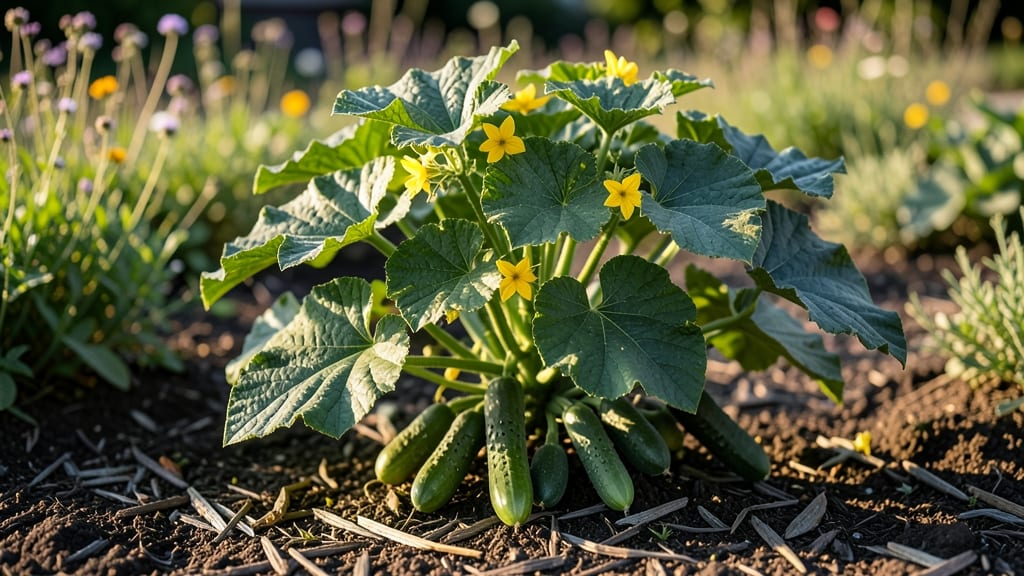
My bushy cucumber plants produce 30% more fruit in the same space—no sprawling vines, just compact growth that trellises love. 🌿 The secret lies in choosing the right varieties and giving them a little structure from day one.
I used to struggle with leggy plants that flopped over, but switching to bush types changed everything. You’ll need just three simple supplies: a sturdy trellis (4-6 feet tall), a few 5-gallon containers for compact varieties, and a basic pruning shears.
The right cucumber types—like 'Bush Champion' or 'Spacemaster'—stay compact naturally, so you skip the constant tying and redirecting of vines. These varieties grow 6-8 feet tall but stay half as wide as standard cucumbers, making them perfect for small spaces.
By mid-summer, you’ll have vines covered in fruit instead of just a few straggly cucumbers. The trellis keeps leaves off the ground, reducing disease risk, and the bushy habit means more sunlight reaches the fruit. Even my black thumb can’t kill these—once established, they’re foolproof.
Works for balconies, patios, or small backyard plots. No more cucumber chaos—just tidy, productive plants that actually stay upright.
📚 In This Guide
- What you need
- Instructions
- Tips and common mistakes
- Wrapping up and next steps
What you need
- ● Bushy cucumber seeds or seedlings: Choose compact varieties like 'Bush Champion', 'Spacemaster', or 'Sweet Success'. You’ll need 3–5 seeds or plants per trellis or container.
- ● Trellis or support structure: Small garden trellis (4–6 ft tall) OR
- ● DIY trellis using bamboo stakes (3–4 ft), twine, or chicken wire.
- ● Well-draining potting mix or garden soil: 5–10 gallons (or enough to fill your container/garden bed). Mix in compost (1 part compost to 3 parts soil) for nutrients.
- ● Organic fertilizer: Balanced 10-10-10 or compost tea to kickstart growth.
- ● Mulch: Straw or shredded leaves (1–2 inches) to retain moisture.
- ● Garden trowel or small shovel for planting.
- ● Pruning shears (for trimming vines and dead leaves).
- ● Watering can or hose with a gentle spray nozzle (cucumbers hate soggy roots!).
- ○ Gloves (optional but helpful for handling prickly vines).
- ● Measuring tape or ruler (to space plants 12–18 inches apart).
- ● Sunlight: 6–8 hours of full sun daily (no shade allowed!).
- ● Temperature: Plant after the last frost when soil is at least 60°F (15°C).
- ● Water: Consistent moisture—1–2 inches per week (drought stress = bitter cucumbers!).
- ● Space: Ensure your trellis or container has enough vertical room (cucumbers can grow 6–10 ft if unchecked!).
- ● Cucumber companion plants: Try bush beans, radishes, or marigolds to deter pests.
- ● Shade cloth (30–50%) for hot climates to protect young plants.
- ● Drip irrigation system for hands-free watering.
- ● Epsom salt (1 tbsp per plant monthly) for magnesium boosts.
How to grow bushy, trellis-friendly cucumber plants in compact spaces
Compact gardens need smart cucumber varieties—here’s how to coax vigorous vines into tidy, high-yielding bushes.
🌱 Step 1: Choose the Right Compact Varieties
Skip standard slicing cucumbers—they sprawl. Instead, select parthenocarpic varieties like 'Bush Champion' or 'Spacemaster' that produce without pollination and stay under 3 feet tall when trellised. These bush types also resist powdery mildew better than heirlooms, which is critical in crowded spaces where airflow matters.
Check seed packets for "bush" or "compact" labels. I’ve found 'Diva' and 'Sweet Success' thrive in 4-inch pots until transplanting, saving space early on. Avoid vining types like 'Straight Eight'—they’ll overtake your trellis and crowd out neighbors.
☀️ Step 2: Site and Support Setup for Vertical Growth
Place your trellis in full sun (6+ hours daily) with south-facing exposure for maximum vine growth. A 4-foot-tall A-frame trellis works perfectly for bush types, giving vines room to climb without sprawling. Install it before planting so roots can grow toward the structure.
For containers, use 5-gallon fabric grow bags with built-in trellis supports. The porous fabric prevents root circling while allowing vines to wrap naturally. Water deeply at planting to settle soil around the trellis stakes—this prevents leaning later.
💧 Step 3: Plant and Train for Bushy Structure
Set transplants 12–18 inches apart in rows spaced 3 feet apart (or in containers with 1 plant per 5-gallon bag). Bury the stem 1 inch deeper than the pot to encourage root growth along the buried portion—this creates a sturdier base for bushy growth.
As vines emerge, weave tendrils gently around the trellis strings. Avoid tying—cucumbers grow best when they can climb naturally. Prune side shoots (suckers) that form below the first flower cluster to redirect energy upward. You’ll see thicker stems and more flowers within 2 weeks.
✂️ Step 4: Prune and Maintain for Maximum Yield
Once vines reach the trellis top, pinch the main stem to encourage lateral branching. This triggers bushier growth and more fruit clusters. Remove yellow leaves at the base weekly—they sap energy from productive growth. I use sterilized scissors to cut cleanly just above a leaf node.
Water at the base only (never overhead) to prevent mildew. Bush types need 1 inch of water weekly, but check soil—dry top inch means it’s time to water. Mulch with straw to retain moisture and keep leaves dry, which is key for disease prevention.
🌿 Step 5: Harvest Strategically for Continued Growth
Pick cucumbers when 6–8 inches long for best flavor and to prompt more production. Twist gently or use pruners to avoid damaging vines. I harvest every 2–3 days during peak season—this prevents overloading branches and encourages bushier, more productive growth.
At season’s end, cut vines at the base and compost healthy leaves. The next year, plant companion flowers like marigolds where cucumbers grew—they deter pests naturally and improve soil structure for future bushy varieties.
Tips & tricks for growing compact cucumber plants
Real talk: Even the best-laid plans can go sideways with cucumbers—here's how to avoid the most common pitfalls.
Variety Selection Matters: When choosing your parthenocarpic varieties like 'Bush Champion' or 'Spacemaster', pay special attention to the seed packet descriptions. Look for terms like "compact bush" or "determinate growth habit"—these indicate plants that naturally stay under 3 feet tall. I've seen gardeners accidentally plant vining varieties labeled "compact" that still sprawl 6+ feet. Always cross-reference with trusted seed suppliers' charts to avoid disappointment.
Trellis Installation Pro Tip: The secret to preventing leaning vines lies in your initial trellis setup. Before planting, drive your trellis stakes at least 6 inches into the ground—this creates a stable base that won't wobble when vines start climbing. For containers, use the 5-gallon fabric grow bags with built-in trellis supports, but add a small weight (like a brick) to the base to anchor it against wind. I learned this the hard way after watching my first trellis topple during a summer storm.
Pruning Strategy for Bushier Growth: In Step 4, when you pinch the main stem to encourage lateral branching, focus on the point where the vine reaches the top of your 4-foot trellis. Use your thumb and forefinger to gently squeeze the stem just above a leaf node—this creates a clean break without damaging the plant. The key is timing: do this when you see the first flower cluster forming, not before. This redirects the plant's energy to produce more side shoots, which translates to more fruit clusters in your compact space.
Harvesting Hack: For the 6-8 inch harvest size mentioned in Step 5, I've found that using a pair of sharp kitchen shears (sterilized with rubbing alcohol) works better than twisting by hand. The clean cut prevents damage to the vine, which means faster recovery and continued production. Plus, you'll avoid those awkward moments when a cucumber snaps off mid-harvest and rolls into the neighbor's yard. Harvest in the morning when cucumbers are firmest—this gives you the best flavor and texture.
Pro Tips for Bushy Cucumber Plant
- Real talk: Even the best-laid plans can go sideways with cucumbers—here's how to avoid the most common pitfalls.
- Variety Selection Matters: When choosing your parthenocarpic varieties like 'Bush Champion' or 'Spacemaster', pay special attention to the seed packet descriptions.
- Trellis Installation Pro Tip: The secret to preventing leaning vines lies in your initial trellis setup.
Frequently asked questions
Got questions about growing bushy cucumber plants in your compact garden? You’re not alone—here are some of the most common queries (and answers!) to help you thrive:
Why do some cucumber plants stay bushy while others vine aggressively?
Bushy cucumber varieties (like ‘Bush Champion’ or ‘Spacemaster’) are bred to produce compact growth with shorter vines and more lateral branches. Traditional vining types (e.g., ‘Straight Eight’) rely on trellises to climb, while bush types focus on dense foliage and fruit production near the base. Pro tip: Choose bush varieties if space is limited—no trellis needed!
How long does it take for a bush cucumber plant to mature?
Most bush cucumber varieties mature in 50–65 days from transplanting, depending on the cultivar and growing conditions. Expect flowers in 4–6 weeks and fruit harvests shortly after. Hot tip: Plant seeds indoors 3–4 weeks before the last frost for an earlier start!
Can I grow bush cucumbers without a trellis?
Bush cucumbers are trellis-free by design—their compact growth habit makes them ideal for containers, raised beds, or small plots. However, if you notice vines stretching, prune them lightly to encourage bushier growth. Bonus: They’re also great for hanging baskets!
What’s the best way to prevent pests (like cucumber beetles) on bushy plants?
Use row covers early in the season to block beetles, or apply neem oil as a natural repellent. Quick fix: Plant bush cucumbers near marigolds or nasturtiums—their scent deters pests! Monitor leaves daily for signs of damage (e.g., chewed edges) and act fast.
Can I grow bush cucumbers alongside other vegetables?
Yes! Bush cucumbers pair well with companion plants like beans, peas, or lettuce (they share nutrients without competing for space). Avoid planting near potatoes or fennel—they stunt cucumber growth. Space saver: Interplant with radishes or herbs for a high-yield, low-space garden!
| Quick Troubleshooting | Solution |
|---|---|
| Yellowing leaves | Check for overwatering or nutrient deficiency (add compost or balanced fertilizer). |
| Slow growth | Ensure full sun (6+ hours/day) and warm soil (70°F+). Mulch to retain heat. |
| Few female flowers | Boost pollinators (bees!) with nearby blooms or gently shake plants to aid pollination. |
Wrapping up and next steps
Growing bushy cucumber plants in compact gardens is totally doable—especially with the right trellis-friendly varieties! Whether you’re a beginner or a seasoned gardener, these space-saving plants offer delicious, homegrown rewards without the sprawl.
Start small, experiment with pruning or vertical supports, and soon you’ll be harvesting crisp, flavorful cucumbers in no time.
Ready to dive in? Pick your favorite variety, gather your supplies, and get planting! 🌱 For extra inspiration, check out local gardening groups or seed-saving tips to keep your green thumb growing.