
Companion Plants
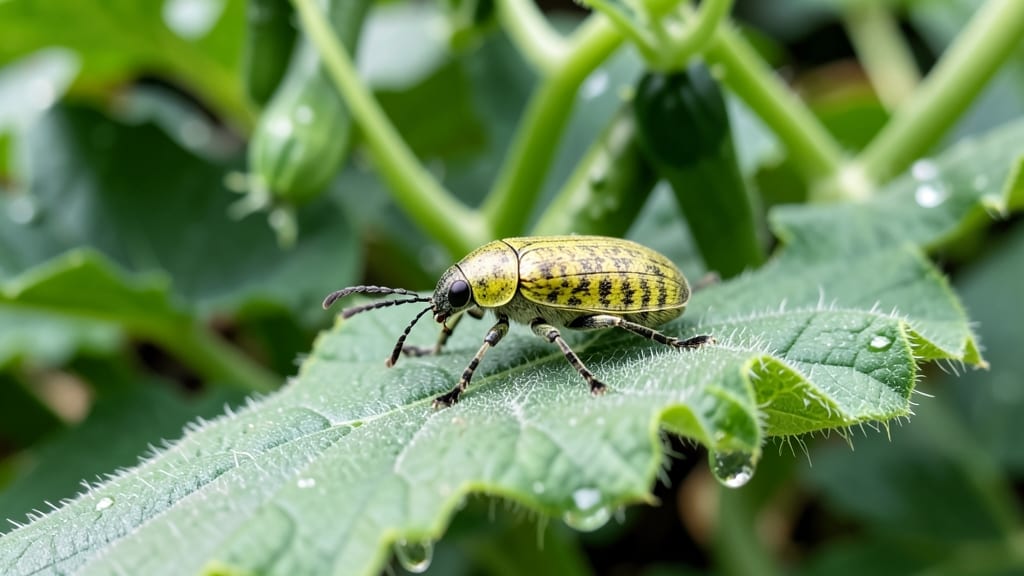
Those tiny holes and chewed leaves in your cucumber plants are often the work of bugs that eat cucumber plants—and they strike faster than you might expect.
That’s not just nature’s pruning. 🌿 The most common culprits include cucumber beetles, aphids, and spider mites, each leaving behind unmistakable damage that can wipe out your harvest if you don’t act fast.
I’ve lost entire vines to these pests before, but once I learned their habits and natural predators, my cucumbers thrived again.
The good news is you don’t need harsh chemicals to win this battle. Companion plants like nasturtiums and marigolds act as decoys, drawing pests away from your cucumbers, while ladybugs and lacewings become your garden’s cleanup crew.
Even a simple neem oil spray can stop an infestation in its tracks without harming beneficial insects. The key is catching problems early—check the undersides of leaves daily for signs of trouble.
You’ll know you’ve turned the tide when your plants stop wilting midday and new leaves emerge crisp and unmarked. The cucumbers themselves grow straighter, with fewer scars from beetle feeding, and you’ll actually get to enjoy that first harvest without pest-related guilt.
Prevention is easier than cleanup, so let’s build your cucumber’s defense team right from planting day.
This works for both backyard gardens and container setups, and the same principles apply whether you’re growing slicing cucumbers, pickles, or even those giant heirloom varieties.
The only real variable is your local pest population—so keep an eye out for what’s most active in your area and adjust your defenses accordingly. No more helplessly watching your plants get munched!
📚 In This Guide
- What you need
- Instructions
- Tips and common mistakes
- Wrapping up and next steps
What you need
- ● Companion Plants: Marigolds (3–5 plants) – repel nematodes and aphids 🌼
- ● Nasturtiums (5–7 plants) – deter cucumber beetles 🌸
- ● Basil (2–3 plants) – confuses pests with its scent 🌿
- ● Dill or Fennel (1–2 plants) – attracts beneficial wasps 🐝
- ● Natural Repellents: Neem oil (16 oz bottle) – organic insecticide 🌿
- ● Crushed garlic or chili peppers (small bag) – homemade spray booster 🌶️
- ● Diatomaceous earth (1 lb) – non-toxic barrier for soil pests ✨
- ● Tools: Garden trowel (for planting)
- ● Spray bottle (16 oz, for DIY solutions)
- ○ Gloves (optional, for handling plants/repellents)
- ● Beneficial insects (ladybugs, lacewings) – release 50–100 near plants 🐞
- ● Row covers (lightweight fabric) – protect seedlings from early pests 🛡️
- ● Compost or worm castings (5–10 lbs) – boost plant resilience 🌱
How to identify and manage cucumber-eating pests naturally
Here's how I spot trouble early and keep cucumbers thriving without harsh chemicals.
🐛 Step 1: Scout for Common Cucumber Pests Daily
Check the undersides of leaves and near stems every morning for tiny holes, chewed edges, or silvery trails—these are dead giveaways. Cucumber beetles leave half-moon-shaped notches on leaf edges, while aphids cluster like cottony puffs. I focus on new growth first because pests target tender leaves.
Look for yellowing vines or stunted growth—these are late signs. The earlier you catch them, the easier they are to manage. I use a 10x magnifying glass to inspect stems for spider mite webbing or squash bug eggs (tiny, football-shaped).
🌿 Step 2: Deploy Beneficial Insects Strategically
Release ladybugs or lacewings at dusk when they're most active. I place them on healthy leaves near infested areas—these predators need easy access to aphids and cucumber beetles. For squash bugs, introduce spined soldier bugs, which hide under leaves and hunt eggs.
Wait 24 hours before releasing more beneficials—overcrowding makes them compete instead of cooperate. I water plants lightly before release to attract pests and give predators a ready meal. Check for white, lacy damage on leaves—this means lacewings are active and eating pests.
✂️ Step 3: Remove Damaged Foliage and Eggs
Prune any leaves with more than 3 holes or heavy beetle feeding—these won't recover and divert energy from fruit production. Use sterilized pruners and drop damaged leaves into soapy water to kill hidden pests. I focus on lower leaves first since they're closest to the soil where beetles hide.
Scrape squash bug eggs (look like tiny gray footballs) off stems with your fingernail and drop them into soapy water. Never crush eggs on the plant—it releases pheromones that attract more pests. After pruning, I spray plants with neem oil solution (1 tsp per quart of water) to deter remaining beetles.
💧 Step 4: Use Physical Barriers for Prevention
Wrap cucumber stems with reflective silver mulch (available at garden centers) to confuse cucumber beetles. I overlap edges to block light and cover the base of plants up to 6 inches high. This works best when combined with row covers placed at planting time.
For established plants, install fine mesh netting (1/4-inch holes) over individual vines. Secure edges tightly with clips or weights—even a 1/8-inch gap lets beetles slip through. I check netting weekly for tears and repair immediately, especially after rain when fabric stretches.
☀️ Step 5: Monitor and Adjust Protection Weekly
Inspect plants every 5-7 days for new pest activity, focusing on new leaves and flowers. If you see more than 5 beetles per plant, increase beneficial insect releases or add a second row cover. I keep a pest log (just a notebook) to track which methods work best each season.
Rotate prevention methods every 2 weeks to prevent pests from adapting. For example, alternate between neem oil sprays and companion planting with nasturtiums (which trap aphids). Healthy plants resist pests better—always ensure 1 inch of water weekly and side-dress with compost every 4 weeks.
Tips & tricks for protecting your cucumber plants from pests
Real talk: Catching pests early makes all the difference between a thriving harvest and a battle lost before it begins.
Timing is Everything: Those morning inspections in Step 1 are non-negotiable. I've learned this the hard way—when I skipped a day, aphid colonies exploded overnight. Focus on the undersides of leaves first; that's where beetles hide during the day. Use your magnifying glass to spot spider mite webs, which look like fine silk strands.
Beneficial Insect Strategy: The 24-hour waiting period between releases in Step 2 prevents beneficial insects from competing with each other. I've found lacewings work best when released right after dusk—they're most active then. Pro tip: Lightly mist plants before releasing predators; it attracts pests to the surface where they're easier to find.
Pruning Precision: When removing damaged leaves in Step 3, cut just above the next healthy leaf node. This encourages new growth while removing pest hotspots. For squash bug eggs, I use a toothpick instead of fingernails—it gives me better control without damaging plant tissue. Always sterilize your tools between plants to prevent disease spread.
Barrier Maintenance: That 1/8-inch gap in your netting from Step 4 is a critical weak point. I've seen cucumber beetles slip through gaps that small! Check netting after every rain—water stretches fabric, creating new openings. For silver mulch, overlap edges by at least 2 inches to block all light from reaching beetles.
Pro Tips for Bugs That Eat Cucumber Plants
- Real talk: Catching pests early makes all the difference between a thriving harvest and a battle lost before it begins.
- Timing is Everything: Those morning inspections in Step 1 are non-negotiable.
- Beneficial Insect Strategy: The 24-hour waiting period between releases in Step 2 prevents beneficial insects from competing with each other.
Frequently asked questions
Got questions about those pesky critters munching on your cucumbers? We’ve got answers! Here are some of the most common concerns gardeners face—and how to tackle them.
What are the most common bugs that attack cucumber plants?
The biggest troublemakers include cucumber beetles (striped or spotted), squash bugs, aphids, hornworms, and slugs. These pests target leaves, stems, and fruits, often leading to wilting, holes, or even plant death if left unchecked. Early identification is key!
When do these bugs typically appear in the growing season?
Most cucumber pests show up in late spring to early summer when plants are young and tender. Cucumber beetles arrive first (as early as May in warm climates), followed by hornworms and squash bugs in June-July. Slugs thrive in damp weather, often at night. Stay vigilant during these peak times!
Are there natural ways to keep these bugs away without chemicals?
Try companion planting with marigolds, basil, or nasturtiums to repel beetles. Neem oil, soapy water sprays, or row covers work wonders too. For slugs, set out beer traps or use copper barriers. Even handpicking pests (like hornworms) can save your plants!
What should I do if my cucumbers already have holes or damage?
Don’t panic! Remove heavily damaged leaves or fruits to stop the spread. For beetle or hornworm damage, focus on protecting new growth with row covers or traps. If squash bugs are the culprit, crush their egg masses (tiny brown pods near stems) before they hatch. Healthy plants bounce back faster!
Can I save a cucumber plant if it’s already infested?
Yes, but act fast! Prune affected areas, apply organic pesticides, and boost plant health with balanced fertilizer. For severe infestations, consider replacing the worst-hit plants and strengthening defenses (like beneficial nematodes for soil pests). Prevention is easier than cure—so monitor daily!
Wrapping up and next steps
Identifying and managing pests like cucumber beetles, aphids, and spider mites is key to safeguarding your lush cucumber harvest. 🌱 By leveraging natural predators—such as ladybugs, lacewings, and parasitic wasps—you can create a balanced ecosystem that keeps pests in check without harsh chemicals.
Start small, monitor your plants regularly, and don’t hesitate to experiment with companion planting or organic sprays for the best results!
💡 Ready to Take Action?
Pick one strategy from this guide—whether it’s introducing beneficial insects, adjusting watering habits, or planting marigolds—and try it this season. Your future harvest (and happy cucumbers!) will thank you!