
Vegetables
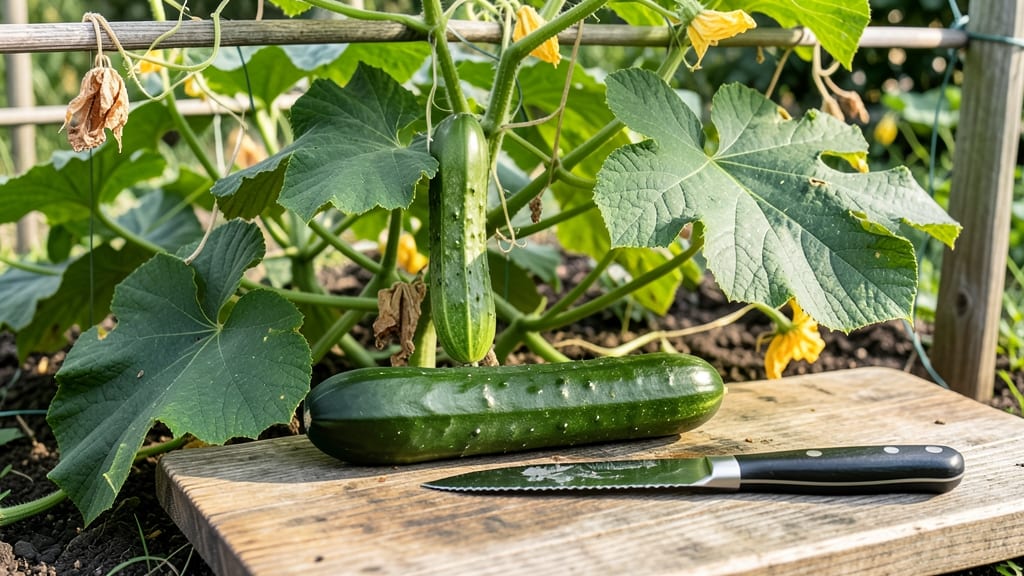
That hollow brown core inside your cucumbers isn’t normal—and it’s ruining your harvests. 🌱 I’ve pulled apart dozens of cucumbers with this exact problem, and the culprits are usually hidden in plain sight: overripe fruit, bacterial rot, or even poor pollination.
The good news? Fixing it starts with how you grow, harvest, and store them.
Most gardeners assume brown cores mean the cucumber is just old, but that’s not always true. Bacterial soft rot or blossom end rot can turn the inside brown and mushy before the outside shows signs.
Even pests like cucumber beetles or poor watering habits contribute. The fix? Start with clean garden beds, consistent watering, and harvesting at the right size.
Once you spot the problem, act fast. Toss any cucumbers with soft spots or foul smells—they’re past saving. For prevention, harvest every 2-3 days, use mulch to keep soil moist, and rotate crops yearly.
These small steps cut down on rot and pests, giving you crisp, green cucumbers every time.
This works for home gardeners and small-scale growers alike. The key is catching issues early and adjusting your care routine. No more wasted harvests—just fresh, firm cucumbers from vine to plate.
The Hidden Culprits Behind Discolored Cucumbers
Understanding why your cucumbers develop a brown or pale interior is the first step to preventing it—and enjoying crisp, vibrant veggies every time. The issue often stems from a mix of environmental, storage, and biological factors. Let’s break down the most common causes with clear, actionable science behind them.
Cucumbers are delicate fruits (yes, they’re botanically classified as fruits!) that ripen quickly. Harvesting them at the wrong stage can trigger internal browning.
- Overripe cucumbers develop excess sugars and enzymes (like polyphenol oxidase) that react with oxygen, causing oxidation and browning. Think of it like an apple turning brown after being sliced—just on the inside. - Underripe cucumbers may lack proper cell structure, leading to a pale, mealy core.
This happens when they’re picked too early, before their seeds and flesh fully develop.
Actionable fix: Harvest cucumbers when they’re firm but still bright green, typically 5–7 days after flowering. Avoid leaving them on the vine past their prime.
Cucumbers are 95% water, and fluctuations in hydration can wreak havoc on their internal color.
- Drought stress (too little water) causes cells to collapse, leading to a brown, hollow core as the plant prioritizes survival over fruit quality.
- Overwatering or poor drainage can lead to anaerobic conditions (lack of oxygen in the soil), which stresses the plant and triggers ethylene production—a hormone that accelerates ripening and browning.
Actionable fix:
- Water deeply 1–2 times per week, ensuring the top 1–2 inches of soil stay moist but not soggy.
- Use mulch to retain even moisture and prevent soil temperature swings.
- If growing in containers, ensure pots have drainage holes to avoid waterlogging.
Cucumbers are heavy feeders, and deficiencies or excesses in key nutrients can lead to internal discoloration.
| Nutrient Issue | Effect on Cucumber | Solution |
|---|---|---|
| Low Calcium | Brown, spongy cores (cells fail to develop properly) | Apply crushed eggshells or calcium nitrate every 2–3 weeks. |
| Excess Nitrogen | Pale, watery flesh with brown streaks (overgrowth of soft tissue) | Balance fertilizer with a low-N, high-K blend (e.g., 5-10-10). |
| Phosphorus Deficiency | Weak root development → poor nutrient uptake → brown, stunted cores | Add bone meal or compost at planting. |
Actionable fix: Test your soil’s pH (ideal: 6.0–6.8) and amend with organic matter like compost or worm castings for balanced nutrition.
Ethylene is a natural plant hormone that speeds up ripening—and it’s the same gas that makes avocados brown after cutting. If cucumbers are stored near ethylene-producing fruits (like apples, bananas, or tomatoes), the gas can penetrate their skin and trigger internal browning.
Actionable fix:
- Store cucumbers separately from ethylene emitters.
- Keep them in a well-ventilated crate or mesh bag in the fridge (not the crisper drawer, which traps moisture).
- If storing at room temperature, choose a cool, dark spot (like a pantry) and avoid stacking them.
Bruises, cuts, or rough handling can kickstart the browning process by breaking cell walls and exposing tissues to oxygen.
- Transport damage (e.g., dropping cucumbers during harvest) can create microscopic tears that oxidize over time.
- Overcrowding on vines leads to competition for nutrients, resulting in smaller, browner cores.
Actionable fix:
- Handle cucumbers gently—use a soft cloth or basket (not plastic bags) when transporting.
- Prune cucumber plants to 1–2 main vines per plant to reduce overcrowding and improve air circulation.
Fungal infections or pests can invade cucumbers, leading to internal browning as the plant fights back.
- Powdery mildew or downy mildew can cause discoloration and rotting inside the fruit.
- Cucumber beetles transmit bacterial wilt, which clogs the plant’s vascular system, leading to brown, mushy cores.
Actionable fix:
- Prevent pests with row covers or neem oil sprays.
- Rotate crops annually to prevent soil-borne diseases.
- Remove infected plants immediately to stop the spread.
Extreme heat (above 90°F/32°C) or sudden temperature drops can shock cucumber plants, leading to abnormal ripening and browning.
- Heat stress causes enzymes to overactivate, breaking down chlorophyll and other pigments.
- Cold snaps (below 50°F/10°C) can stunt growth and lead to pale, underdeveloped cores.
Actionable fix:
- Shade cloth (30–50%) can protect plants during heatwaves.
- Mulch heavily to regulate soil temperature.
- In cool climates, use row covers at night to maintain warmth.
Brown or pale cucumber interiors are rarely a mystery—they’re usually a combination of poor harvesting timing, moisture issues, nutrient gaps, or storage mistakes. By addressing these root causes, you’ll enjoy cucumbers that stay crisp, green, and seedless from vine to table. 🌱✨
Fixing Pale Cucumber Cores
Now that you know why your cucumbers turn brown or pale inside, let’s tackle the solutions! Whether it’s overripe seeds, uneven ripening, or poor growing conditions, these fixes will help you grow (or buy) crisp, vibrant cucumbers every time.
Here’s how to address the problem based on the root cause—and how to prevent it from happening again.
If your cucumbers have dark, mushy seeds or a brownish center, they’ve likely overstayed their welcome on the vine. Here’s how to fix it:
🍳 Harvest at the Right Time
- Pick cucumbers when they’re firm and bright green—usually 7–10 days after pollination (check your variety’s ideal size).
- Avoid leaving them on the vine too long—overripe cucumbers develop bitter seeds and soft flesh.
- Pro tip: 💡 Use a harvest calendar if you’re growing your own.
Mark the days after flowering to time your pick perfectly.
🥘 Store Them Properly
- Refrigerate uncut cucumbers in the crisper drawer (40–45°F) to slow ripening.
- Avoid washing until ready to eat—moisture speeds up spoilage.
- Use within 5–7 days for best texture.
If you see brown spots inside, trim the bad section and use the rest in salads or stir-fries.
🌱 Grow Better Cucumbers Next Time
- Choose bush varieties (like ‘Straight Eight’ or ‘Marketmore’) for easier harvesting.
- Train vines vertically to improve airflow and reduce rot.
- Thin overcrowded plants—too many cucumbers on one vine compete for nutrients, leading to uneven ripening.
If your cucumbers have patchy browning (some areas ripe, others still hard), it’s usually due to inconsistent sunlight, water, or nutrients.
☀️ Optimize Sunlight Exposure
- Ensure 6+ hours of direct sunlight daily—shady spots cause uneven ripening.
- Rotate greenhouse trays or move containers if growing indoors.
- Pro tip: 🌿 Use reflective mulch (like white plastic) to bounce light onto lower leaves.
💧 Water Wisely
- Keep soil consistently moist (not soggy)—fluctuations stress plants and lead to blotchy cores.
- Water at the base (not leaves) to prevent fungal issues.
- Mulch around plants to retain moisture and regulate temperature.
🍽️ Fertilize for Even Growth
- Use a balanced fertilizer (10-10-10) at planting, then switch to a low-nitrogen, high-potassium feed (like 5-10-10) when flowers appear.
- Avoid over-fertilizing with nitrogen—it promotes leafy growth over fruit development.
- Side-dress with compost mid-season for steady nutrients.
If your cucumber’s core is brown from bruising or cuts, don’t toss it—repurpose it!
🍴 Trim and Use in Cooking
- Cut out the discolored sections and slice the rest for:
- Pickles (the acidity preserves texture).
- Stir-fries or soups (heat masks bitterness).
- Smoothies (peel first to avoid grit).
🥗 Prevent Future Bruising
- Handle cucumbers gently—avoid stacking or dropping them.
- Store in a single layer in the fridge to prevent crushing.
- Use a produce keeper to extend freshness.
Want to avoid brown cores entirely? Follow this quick guide:
| Step | Action |
|---|---|
| Planting | Choose disease-resistant varieties (e.g., ‘Armenian’ or ‘Lemon’ cucumbers). |
| Watering | Drip irrigation > hand-watering for consistency. |
| Harvesting | Pick every 2–3 days during peak season. |
| Storage | Keep unwashed in the fridge, not on the counter. |
| Soil Health | Test soil pH (ideal: 6.0–6.8) and amend with compost if needed. |
Final Thought: A little attention to timing, sunlight, and care can turn your cucumbers from sad and seedy to crisp, green, and perfect every time. Next time you spot a brown core, you’ll know exactly how to fix it—and how to stop it before it starts!
Frequently asked questions
Is it safe to eat cucumbers with brown inside?
Most brown cores are safe to eat if the rest of the cucumber is firm and free of foul odors. Simply trim the discolored section and use the rest in salads or cooked dishes. However, if the flesh is mushy or smells off, toss it—it may indicate bacterial rot or overripeness. Always cut open cucumbers before storing to check for hidden issues.
Why do store-bought cucumbers often have brown centers?
Commercial cucumbers are often harvested early to survive shipping, then stored for weeks in high-oxygen environments. This causes oxidation and browning over time. Look for cucumbers labeled "fresh-pack" or buy from local farms where you can harvest them at peak ripeness for a crisper texture.
Can I save cucumbers with brown cores by pickling them?
Yes! The acidic brine in pickling helps preserve texture and mask any off-flavors. Cut out the brown sections first, then slice the rest thinly for quick-pickling. The vinegar and spices will enhance flavor while preventing further spoilage. This works especially well for cucumbers with minor bruising or early browning.
How do I tell if brown spots are from overripeness vs. disease?
Overripe cucumbers have brown seeds and soft flesh but no foul smell. Diseased cucumbers (like bacterial soft rot) smell sour or fermented and may have slimy texture. Check for wilting vines or yellow leaves—these are signs of plant infection. When in doubt, compost affected cucumbers to prevent spreading pathogens.
Will growing cucumbers in containers prevent brown cores?
Containers help control moisture and drainage better than garden beds, reducing stress that causes browning. Use large pots (5+ gallons) with drainage holes and water consistently. However, container-grown cucumbers still need proper sunlight (6+ hours) and balanced fertilizer to prevent nutrient-related discoloration.