
Vegetables
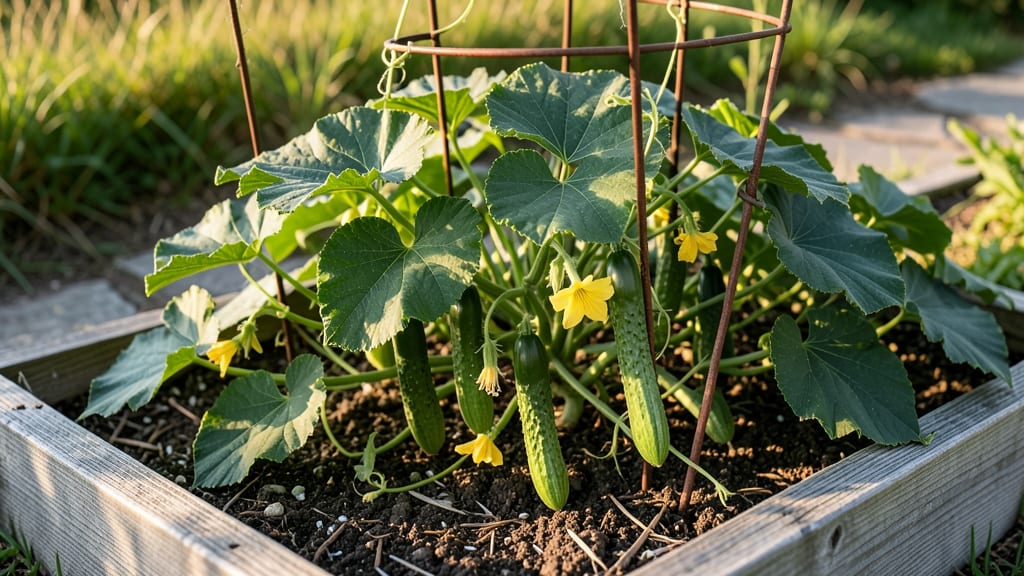
Nothing beats the taste of home-pickled cucumbers made from Boston Pickling Cucumbers—small, crisp, and packed with flavor. 🌱 These pole-friendly heirlooms deliver reliable harvests even in tight spaces, making them perfect for small gardens or container growing.
I’ve grown them for years, and they never disappoint when given the right conditions.
The secret to their success starts with well-draining soil and a sunny spot (at least 6-8 hours of sunlight daily). They thrive on trellises or poles, saving space and keeping fruits clean.
Plant seeds ½ inch deep, spacing them 3-4 feet apart in rows 4-5 feet apart—this gives them room to sprawl or climb.
Water consistently to keep soil moist but not soggy, and watch for yellowing leaves—a sign of overwatering or poor drainage. Harvest when cucumbers are 3-4 inches long, using a sharp knife to avoid damaging vines.
The more you pick, the more they produce, ensuring a steady supply for pickling or fresh eating.
These cucumbers are disease-resistant and handle heat well, making them ideal for summer gardens. With proper care, you’ll enjoy crisp, flavorful harvests all season long—no fuss, just great-tasting results.
📚 In This Guide
- What you need
- Instructions
- Tips and common mistakes
- Wrapping up and next steps
What you need
- ● Seeds: Boston Pickling Cucumber seeds (non-GMO, heirloom preferred). Aim for 3–5 seeds per plant (or 1 seed per cell in a seedling tray).
- ● Growing Space: Direct sowing: 1–2 seeds per hill, spaced 12–24 inches apart in rows 3–4 feet apart.
- ● Container gardening: 5-gallon pots or larger (at least 12 inches deep) with 1–2 plants per container.
- ● Trellis or pole support: 4–6 feet tall (Bostons thrive when vined!).
- ● Soil: Well-draining, fertile loam with a pH of 6.0–6.8. Mix in 2–3 inches of compost before planting.
- ● Fertilizer: Balanced fertilizer (10-10-10) at planting (follow package rates).
- ● Low-nitrogen fertilizer (5-10-10) when flowers appear (encourages fruit production).
- ● Watering Supplies: Drip irrigation or a watering can with a fine rose (avoid wetting foliage to prevent disease).
- ● Mulch: Straw or shredded leaves (2–3 inches thick) to retain moisture and suppress weeds.
- ● Seedling Trays: If starting indoors, use biodegradable pots or trays with seedling mix.
- ● Row Covers: Floating fabric to protect young plants from pests or frost (remove when flowers appear).
- ● Organic Pest Control: Neem oil or pyrethrin spray for aphids/squash bugs.
- ● Harvest Tools: Pruning shears or sharp knife for clean cuts (avoid tearing vines).
- ● Pickling Supplies: Glass jars, vinegar, salt, and spices (if you’re pickling fresh! 🍶).
Step-by-step guide to growing boston pickling cucumbers on trellises
Here’s how to coax those crisp, uniform pickles from this classic variety—using vertical space to maximize yield.
🌱 Step 1: Choose the Right Trellis and Planting Site
Boston Pickling cucumbers thrive when given vertical support, so install a 5-6 foot tall trellis near your planting spot. I prefer sturdy wooden or metal lattice styles that won’t sag under the weight of vines. Position the trellis in full sun—at least 8 hours of direct light daily—and ensure the soil drains well. These cucumbers hate soggy roots, so avoid low spots where water pools.
Work a 2-3 inch layer of compost into the top 6 inches of soil before planting. This improves drainage while providing nutrients for the vigorous vines. I like to add a handful of aged manure or worm castings to the planting hole itself—this gives the roots a nutrient boost right from the start.
🌿 Step 2: Plant Seeds or Transplants with Proper Spacing
If starting from seed, sow 1 inch deep and 3-4 inches apart in rows spaced 3 feet apart. For transplants, space plants 12-18 inches apart along the base of the trellis. The key here is avoiding crowding—too many plants competing for space leads to weak vines and poor air circulation, which invites disease.
Plant on a warm evening (after 55°F soil temperature) to reduce transplant shock. Water deeply right after planting to settle the soil and encourage root contact. I like to add a mulch ring of straw around each plant to retain moisture and suppress weeds—this saves time and keeps the soil cool.
☀️ Step 3: Train Vines and Maintain Vertical Growth
As vines reach 6-8 inches tall, gently tie them to the trellis with soft plant ties or old fabric strips. Avoid wire or plastic ties—they can damage tender stems as the plants grow. Let the vines climb naturally, but prune any side shoots that form below the first 12 inches of the main stem. This directs energy upward and improves air flow.
Water consistently—1-1.5 inches per week—keeping the soil evenly moist but not waterlogged. Drip irrigation works best here because it delivers water directly to the roots without wetting the leaves, reducing the risk of fungal diseases. You’ll know you’re on track when vines grow 6-8 inches per week and new leaves appear daily.
✂️ Step 4: Harvest for Maximum Crunch and Flavor
Boston Pickling cucumbers are best harvested when they’re 3-4 inches long—this ensures that signature crisp texture perfect for pickling. Use clean pruners or scissors to snip the fruit from the vine, leaving a small stem attached. Harvest every 2-3 days during peak production to encourage more flowers and fruit.
Watch for yellowing leaves or powdery mildew—common issues with cucumbers. If you spot mildew, remove affected leaves immediately and apply a baking soda spray (1 tablespoon baking soda + 1 quart water + a drop of dish soap) to protect the plants. With proper care, you’ll get a steady harvest for 6-8 weeks, long after bush varieties have faded.
Tips & tricks for growing perfect pole-friendly cucumbers
Real talk: These cucumbers will reward you with crisp, reliable harvests—but only if you nail the vertical game. Here's what I've learned after years of trellis trials (and a few failed experiments).
Trellis Stability is Non-Negotiable: That 5-6 foot trellis needs to stay upright under the weight of vines producing 10-15 cucumbers per plant. I've seen cheap plastic trellises collapse mid-season. For small gardens, use two sturdy 6-foot posts with heavy-duty twine; for larger spaces, invest in a freestanding lattice structure. The goal is zero wobble—even a slight lean can break tender stems.
Soil Temperature Matters More Than You Think: The 55°F soil temperature threshold isn't just a suggestion—it's when these cucumbers' roots actually activate. I use a soil thermometer to confirm before planting, especially in cooler climates. If your soil runs cold, consider using black plastic mulch 2-3 weeks before planting to warm the soil naturally. Cold soil = slow germination = delayed harvests.
Pruning Strategy for Maximum Yield: When you see those side shoots forming below the first 12 inches, snip them immediately. I know it's tempting to let them grow, but each side shoot steals energy from your main crop. Focus on keeping just 2-3 main vines climbing upward—this creates stronger plants that produce more cucumbers of that perfect 3-4 inch size we want for pickling.
Harvest Timing Creates Crunch: That 2-3 day harvest window isn't arbitrary—it's when the cucumbers develop maximum crispness. I set a reminder on my phone because I've learned the hard way that even one extra day can turn that perfect pickle into a mealy disappointment. The earlier you harvest, the more your plants will produce over the 6-8 week season.
Pro Tips for Boston Pickling Cucumber
- Real talk: These cucumbers will reward you with crisp, reliable harvests—but only if you nail the vertical game.
- Trellis Stability is Non-Negotiable: That 5-6 foot trellis needs to stay upright under the weight of vines producing 10-15 cucumbers per plant.
- Soil Temperature Matters More Than You Think: The 55°F soil temperature threshold isn't just a suggestion—it's when these cucumbers' roots actually activate.
Frequently asked questions
Got questions about growing Boston Pickling Cucumbers? You’re not alone! Here are answers to the most common queries—from planting to troubleshooting—to help you grow a bountiful, crunchy harvest.
How long does it take for Boston Pickling Cucumbers to mature?
These cucumbers are fast growers! Expect to harvest 35–55 days after planting, depending on your climate. Start checking for fruit when vines are established—look for small, firm cucumbers (about 2–3 inches long) for the best pickling texture. Pro tip: Harvest every 2–3 days to encourage more production!
Can I grow Boston Pickling Cucumbers in containers?
These cucumbers thrive in 5-gallon containers or larger with proper support (like a trellis or cage). Just ensure the pot has drainage and you’re using a high-quality potting mix. For pole varieties, a vertical grow bag works wonders too. Watch out: Containers dry out faster, so water consistently!
Why are my Boston Pickling Cucumbers turning yellow or bitter?
Yellowing or bitter cucumbers often signal overmaturity, stress, or poor pollination. Harvest earlier for crispness, and check for:
- Water consistently (drought stress causes bitterness).
- Avoid overcrowding (improves airflow and pollination).
- Hand-pollinate if bees are scarce (gently shake vines or use a paintbrush).
What’s the best way to store harvested Boston Pickling Cucumbers?
Fresh-picked cucumbers stay crisp for 5–7 days in the fridge, wrapped in a paper towel to absorb moisture. For long-term storage, pickle them ASAP—their thin skin makes them prone to wilting. Freezing isn’t ideal (texture suffers), but you can blanch and freeze for soups if needed.
Are Boston Pickling Cucumbers disease-resistant?
They’re moderately resistant to common cucumber diseases like powdery mildew and downy mildew, but no variety is 100% immune. To prevent issues:
- Rotate crops yearly (avoid planting in the same spot).
- Space plants 12–24 inches apart for airflow.
- Apply neem oil or copper fungicide preventatively if humidity is high.
Wrapping up and next steps
Growing Boston Pickling Cucumbers is a rewarding journey that delivers crisp, flavorful harvests with minimal fuss—perfect for gardeners of all skill levels! Whether you’re a seasoned pro or a beginner, their pole-friendly nature and reliable production make them a standout choice for pickling and fresh eating.
Now that you’re armed with the right tools, tips, and troubleshooting tricks, it’s time to roll up your sleeves and plant!
🌱 Your Next Step: Plant & Grow!
Start by selecting a sunny spot, prepping your soil, and sowing those seeds (or seedlings) with confidence. Keep an eye on your vines, and soon, you’ll be enjoying homegrown, vine-ripened cucumbers that taste like summer in every bite. Happy gardening! 🥒✨