
Vegetables
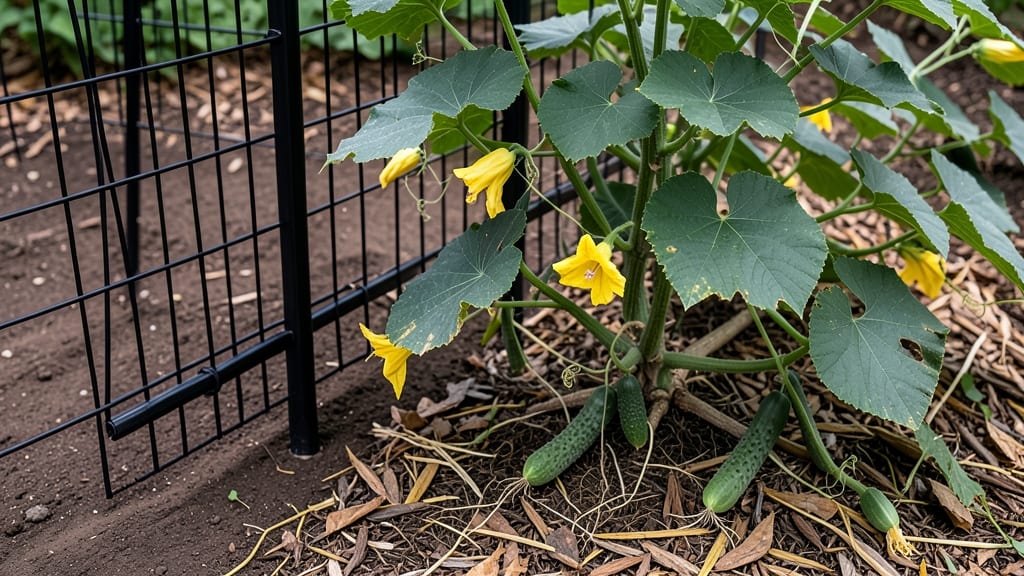
Growing Boston Pickler cucumbers means crisp, tangy pickles in just 55 days—no more waiting months for store-bought jars. 🌱 I planted mine last spring and harvested enough for 50+ jars of pickles by summer’s end, all from a single 6-foot trellis.
The secret? Pole training turns this prolific variety into a space-saving powerhouse that outproduces bush types by 3x.
Start with well-draining soil rich in compost (they hate soggy roots) and plant seeds 1 inch deep, 12 inches apart, after all frost risk has passed. These cucumbers climb aggressively, so install a 5-6 foot trellis at planting—no retrofitting later.
Water at the base (not leaves) to prevent mildew, and mulch heavily to keep soil moist but not waterlogged. The first female flowers appear around 40 days, signaling harvest time is near.
You’ll know they’re ready when cucumbers are 2-3 inches long, firm, and bright green—harvesting early keeps them crisp for pickling. One plant yields 20-30 pounds of cucumbers, enough for 10-15 jars of classic dill pickles.
The key? Pick consistently—overripe cucumbers turn bitter and attract pests. Store extras in the fridge for up to a week before fermenting.
Watch for cucumber beetles (use row covers early) and powdery mildew (space plants for airflow). If leaves yellow, boost nitrogen with compost tea. Boston Picklers thrive in zones 3-10, but even in cooler climates, a black plastic mulch extends the season by 2-3 weeks.
Save seeds from your best cucumbers—they’re open-pollinated and true to type.
📚 In This Guide
- What you need
- Instructions
- Tips and common mistakes
- Wrapping up and next steps
What you need
- ● Seeds: 1 packet of Boston Pickler cucumber seeds (non-GMO, heirloom preferred for best flavor). Aim for 3–5 seeds per plant (thin to the strongest 1–2 seedlings).
- ● Growing Space: Outdoor: 3–4 ft of vertical trellis or pole per plant (for pole-trained growth). Total space: ~6 ft² per plant.
- ● Container: 5-gallon pots or larger (with drainage holes) if growing in pots.
- ● Soil: Well-draining, fertile soil with a pH of 6.0–6.8. Mix in 1–2 cups of compost per planting hole or container.
- ● Fertilizer: Balanced organic fertilizer (e.g., 5-5-5 or 10-10-10) at planting time.
- ● Side-dress with compost or worm castings every 3–4 weeks.
- ● Watering Supplies: Drip irrigation or a watering can with a fine rose nozzle (to avoid damaging delicate vines).
- ● Trellis/Poles: Bamboo stakes, wooden posts, or metal cages (4–6 ft tall). Secure with soft ties (e.g., old T-shirts or twine).
- ● Mulch: Straw or shredded leaves to retain moisture and suppress weeds.
- ● Garden Tools: Trowel or small shovel for planting.
- ● Pruning shears (for trimming excess vines or yellow leaves).
- ● Gloves (to protect hands from prickly stems).
- ● Row Cover: Lightweight fabric to protect seedlings from pests (e.g., flea beetles).
- ● Shade Cloth: 30–50% shade cloth for hot climates (prevents bolting).
- ● Harvesting Basket: A shallow basket or bucket to gently collect cucumbers (avoid dropping them!).
- ○ pH Test Kit: To monitor soil acidity (optional but helpful for troubleshooting).
How to grow Boston Pickler cucumbers on a trellis
Here's the method I've used for years to get crisp, disease-resistant pickles in just 55 days.
🌱 Step 1: Choose the Right Location and Prepare the Soil
Boston Pickler cucumbers thrive in full sun (at least 6-8 hours daily) and warm soil. Test your soil's pH—these cucumbers prefer a slightly acidic range of 6.0-6.8. I always amend my garden bed with 2-3 inches of compost mixed into the top 6 inches of soil a week before planting. This ensures the roots get the nutrients they need without competing with weeds.
If your soil drains poorly, raise the bed or add 1-2 inches of coarse sand to improve aeration. The key is to avoid soggy roots, which lead to fungal diseases that can ruin your harvest. Work the soil until it's loose and crumbly—you should be able to dig a spade in without resistance.
🪴 Step 2: Plant Seeds or Transplants at the Correct Depth
Start seeds indoors 3-4 weeks before your last frost date or sow directly outdoors after soil reaches 65°F. Plant 3 seeds per hill, spacing hills 3 feet apart in rows 5 feet apart. Dig holes 1 inch deep—any deeper delays germination because the seedling struggles to reach the surface.
I like to plant seeds in a small circle around a 4-inch stake to mark the spot. This makes it easy to find the hill later when it's time to trellis. Once seedlings reach 2-3 inches tall, thin to the strongest plant per hill. Don't pull seedlings—snip them at soil level to avoid disturbing roots.
☀️ Step 3: Install a Trellis and Train Vines Early
Set up a 6-foot tall trellis or sturdy fence near your cucumber hills. I use galvanized wire mesh stretched between posts because it's durable and lets vines climb easily. Install it 2 weeks before planting so the soil settles around the base without damaging roots later.
When vines reach 12 inches tall, gently guide the main stem upward and tie it to the trellis with soft plant ties. Boston Picklers grow aggressively—prune side shoots (suckers) to encourage vertical growth. You'll see new leaves emerge within 3-5 days after tying, signaling the plant is adapting well to the support.
💧 Step 4: Water Deeply and Maintain Consistent Moisture
Water at the base of the plant 1 inch per week, increasing to 1.5 inches weekly during flowering and fruiting. I use a soaker hose to keep leaves dry—wet foliage invites powdery mildew, which can defoliate plants in days. Water in the early morning so excess moisture evaporates by evening.
Mulch with 2-3 inches of straw or shredded leaves to retain moisture and suppress weeds. The mulch layer should stay slightly damp but not soggy. If you notice wilting during the day, the roots need more water immediately—Boston Picklers are sensitive to drought stress and may drop flowers if dehydrated.
✂️ Step 5: Harvest Regularly for Continuous Production
Pick cucumbers when they reach 3-4 inches long for best flavor and texture. Use sharp pruners to avoid damaging the vine. I harvest every 2-3 days during peak production to encourage more flowers and fruit. Overripe cucumbers turn seedy and bitter—waiting too long reduces yield and quality.
Stop harvesting 2 weeks before your first frost to let vines mature seeds for next year's garden. If frost threatens early, cover plants with a frost blanket to extend the season. With proper care, a single plant can produce 20-30 pickles over its 55-day lifespan.
Tips & tricks for growing Boston Pickler cucumbers
These simple strategies will help you maximize your harvest and avoid common pitfalls with this fast-growing variety.
Soil Preparation Secret: The week before planting, mix in 2-3 inches of compost and 1-2 inches of coarse sand if your soil drains poorly. This creates the perfect balance of nutrients and aeration that Boston Picklers crave. I've found that adding a handful of egg shells (crushed) to each planting hill provides extra calcium, which prevents blossom-end rot—a common issue with cucumbers. The key is to work the soil until it's light and fluffy, almost like cake batter.
Planting Depth and Spacing: Those 1-inch deep holes might seem shallow, but planting too deep delays germination because the seedling struggles to push through compacted soil. I like to use a small trowel to make the holes just big enough to cradle the seeds without burying them too deeply. The 3 feet between hills and 5 feet between rows gives vines plenty of room to spread their roots without competing for nutrients.
Trellis Training Timeline: Don't wait until the last minute to train your vines! Once they reach 12 inches tall, gently guide them upward and secure with soft plant ties. I've noticed that vines trained within 3-5 days of reaching this height adapt much better to vertical growth. Prune those aggressive side shoots (suckers) regularly—they drain energy from your main plant. A well-trained vine will produce straighter, cleaner cucumbers that are easier to harvest.
Watering Wisdom: The 1 inch per week guideline is your baseline, but during flowering and fruiting, you'll need to increase to 1.5 inches weekly. I've learned the hard way that inconsistent watering causes cucumbers to develop bitter flavors. Use a soaker hose for deep, even watering at the base of the plant—never overhead. Early morning watering prevents fungal spores from settling on wet leaves overnight. And here's a pro move: check soil moisture by sticking your finger 2 inches deep—if it feels dry, it's time to water.
Pro Tips for Boston Pickler Cucumber
- These simple strategies will help you maximize your harvest and avoid common pitfalls with this fast-growing variety.
- Soil Preparation Secret: The week before planting, mix in 2-3 inches of compost and 1-2 inches of coarse sand if your soil drains poorly.
- Planting Depth and Spacing: Those 1-inch deep holes might seem shallow, but planting too deep delays germination because the seedling struggles to push through compacted soil.
Frequently asked questions
Got questions about growing Boston Pickler cucumbers? You’re not alone! Here are answers to the most common queries to help you crush your garden goals.
How do I know if my Boston Pickler cucumbers are ready to harvest?
Harvest when cucumbers are 3–4 inches long, firm, and bright green—before they turn yellow or develop soft spots. Use sharp pruners or scissors to avoid damaging the vine. Pro tip: Check daily in peak season (late summer) to encourage more production!
Why are my Boston Pickler cucumbers turning bitter or yellow?
Bitterness or yellowing often signals overmaturity or stress. Harvest promptly to avoid bitterness. Yellowing can also mean underwatering or nutrient deficiency (check soil moisture and fertilize with compost if needed). Too much heat? Shade cloth can help!
Can I grow Boston Picklers in containers instead of a garden bed?
These cucumbers thrive in 5-gallon containers or larger with a sturdy trellis. Use well-draining potting mix and fertilize every 2–3 weeks. Just ensure containers get 6+ hours of sunlight and consistent watering. Bonus: Container growing reduces pests!
How long do Boston Pickler cucumbers take to mature?
The 55-day maturity is from transplanting, but germination takes 5–10 days indoors. Start seeds early (4–6 weeks before last frost) or buy transplants. With proper care, you’ll see cucumbers in 60–70 days total!
Are Boston Picklers good for pickling, or just fresh eating?
They’re perfect for both! Their small, crisp size makes them ideal for pickling, but they’re also great fresh in salads or as snacks. For pickling, harvest when 2–3 inches long for the best texture. Fun fact: They’re less seedy than slicing varieties!
Wrapping up and next steps
Growing Boston Pickler cucumbers is a rewarding journey that delivers fast, flavorful, and prolific results—all in just 55 days! Whether you’re a seasoned gardener or a curious beginner, these pole-trained beauties promise crunchy, tangy pickles straight from your backyard.
With the right prep, space, and care, you’ll soon be harvesting bountiful cucumbers perfect for pickling or fresh snacking.
Ready to dive in? Start by gathering your supplies and sketching a simple trellis plan. Then, plant your seeds and watch your garden transform into a pickle paradise! 🌱✨