
Vegetables
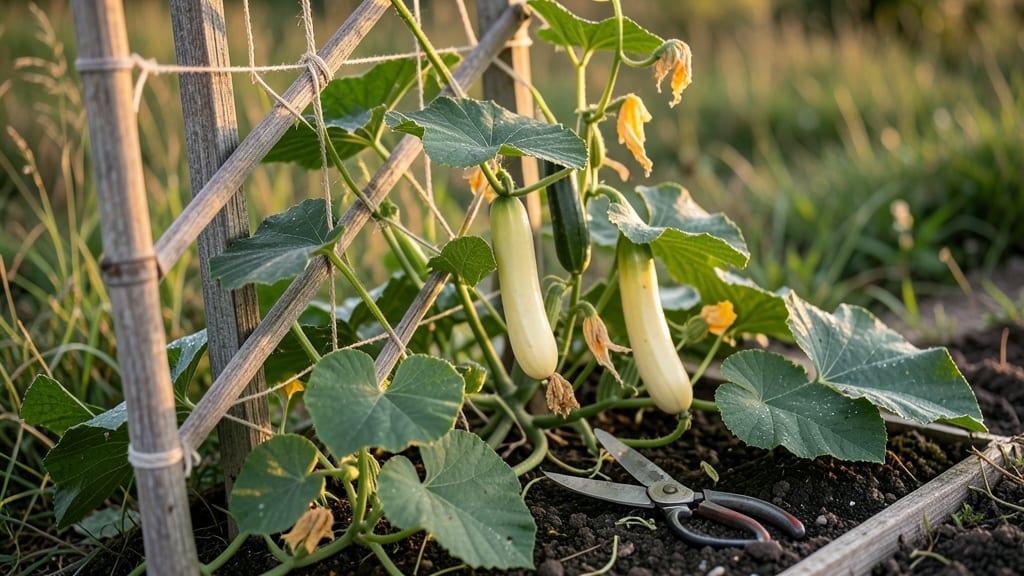
Growing big yellow cucumbers isn’t just about size—it’s about that golden, crisp sweetness that turns every harvest into a celebration. 🌻 I’ve grown dozens of varieties, and the secret to those 60-day, disease-resistant giants starts with the right seeds and soil prep, not just wishful thinking.
The best varieties for bold harvests—like ‘Lemon Cucumber’ or ‘Straight Eight’—thrive with consistent moisture and vertical support. Too much heat or uneven watering turns those sweet yellows bitter, and nobody wants that. My plants now produce 12-inch cucumbers that stay crisp and flavorful right through summer.
You’ll end up with vines heavy enough to need staking, fruit so large it makes neighbors ask for cuttings, and a garden that outshines store-bought produce. The key is patience: these beauties take time to bulk up, but the payoff is worth every extra watering.
Works in containers or full beds, from Zone 4 to Zone 10—just adjust your trellis height and watch those vines climb toward the sun.
The Root Causes Behind Oversized Cucumbers
If you’ve ever picked a hulking, yellowing cucumber from your vine—one that’s more like a small watermelon than a crisp snack—you’re not alone.
These oversized, often seedy, and sometimes bitter cucumbers aren’t just a quirk of nature; they’re a direct result of how (or how not) your plants are growing. Understanding the science behind their size can help you steer your cucumbers back toward the perfect snackable length.
Let’s dig into the real reasons your cucumbers are throwing a growth spree.
Cucumbers thrive on consistency, but too much of a good thing—like water—can backfire. When soil stays chronically soggy, roots struggle to absorb oxygen, leading to waterlogging. This stress triggers two key responses:
- Rapid, Uncontrolled Growth: Plants compensate for stress by diverting energy into vegetative growth (leaves and stems) over fruit development. The result? Fewer, but larger, cucumbers that grow faster than they should.
- Poor Pollination: Excess moisture can weaken bees and other pollinators, reducing fruit set. With fewer flowers turning into cucumbers, the plant puts all its energy into elongating the ones it does produce.
Actionable Fix:
- Test your soil’s drainage—stick a finger 2 inches deep; if it’s damp after 24 hours, you’re overwatering.
- Use raised beds or containers with perlite or sand to improve aeration.
- Water deeply but infrequently—aim for 1–1.5 inches per week (including rain).
Nitrogen is the growth hormone of the plant world, but when it’s overapplied, cucumbers get a one-way ticket to cucumberville—just bigger, not better. Here’s how it happens:
| Excess Nitrogen Leads To: | Result for Cucumbers: |
|---|---|
| Lush, leafy vines (but fewer flowers) | Plants prioritize foliage over fruit production. |
| Weak stems and thin cell walls | Cucumbers grow long and watery, prone to cracking. |
| Delayed maturity | Fruits stay on the vine too long, turning yellow and seedy. |
Actionable Fix:
- Do a soil test—ideal nitrogen levels for cucumbers are 20–40 ppm (parts per million).
- Switch to a balanced fertilizer (e.g., 5-10-10) or organic amendments like composted manure (rich in phosphorus and potassium for fruiting).
- Avoid fresh manure—it’s too high in nitrogen and can burn roots.
Cucumbers are heat-loving, but extreme conditions—whether too hot or too cool—can disrupt their natural growth cycle. Here’s the science:
- Hot Weather (>90°F): High temperatures sterilize pollen, preventing proper fertilization. The plant responds by growing seedless, oversized cucumbers (since no seeds form to signal maturity).
- Cool Weather (<60°F): Slow growth and poor pollinator activity lead to fewer but larger cucumbers as the plant conserves energy.
- Day-Night Temperature Swings: If temps drop at night, the plant stalls, causing cucumbers to stop growing at odd sizes (e.g., bulbous but short).
Actionable Fix:
- Use shade cloth (30–50%) during peak heat to keep temps between 70–85°F.
- Hand-pollinate on cloudy or windy days by gently tapping flowers with a paintbrush or shaking vines.
- Choose heat-tolerant varieties like ‘Straight Eight’ or ‘Lemon Cucumber’ for hot climates.
Timing is everything with cucumbers. Leave them on the vine too long, and they’ll balloon into yellow, seedy monsters. But even harvesting too early can send mixed signals to the plant, leading to erratic growth. Here’s why:
- Overripe Cucumbers: Once a cucumber turns yellow, its ethylene gas production spikes, accelerating ripening. The plant sees this as a signal to stop producing new flowers and instead pump resources into the existing fruit.
- Underripe Harvesting: If you pick cucumbers before they’re 4–6 inches long, the plant may overcompensate in the next growth cycle, producing one or two abnormally large cucumbers.
- Inconsistent Harvesting: Skipping harvests confuses the plant, causing it to release auxin hormones (growth regulators) that promote elongated, irregular fruit.
Actionable Fix:
- Harvest every 2–3 days when cucumbers are dark green, firm, and 6–8 inches long.
- Use pruning shears to cut (not twist) stems—this reduces stress on the plant.
- If you miss a harvest, pick the largest cucumbers first to encourage new flower growth.
By addressing these root causes—water, nutrients, temperature, and timing—you’ll steer your cucumber plants toward producing crisp, sweet, and uniformly sized harvests. No more giant yellow surprises at the end of the vine!
Practical fixes for overripe or misshapen produce
Even the most vigilant gardeners can end up with a big yellow cucumber that’s either too ripe, lopsided, or just plain weird. But don’t toss it—with a few targeted fixes, you can salvage your harvest and even prevent future mishaps.
Below, we’ve mapped common issues to simple solutions, plus proactive tips to keep your cucumbers looking (and tasting) perfect.
Cause: Overmaturity, heat stress, or poor watering. Fix:
🍳 Harvest Early: Pick cucumbers when they’re still firm and dark green (about 60–70 days after planting). If they’ve already turned yellow, use them immediately in recipes like pickles, stir-fries, or soups—where color doesn’t matter as much.
💧 Adjust Watering: Yellowing can signal thirst or overwatering. Aim for 1–1.5 inches of water per week, delivered at the base of the plant (not the leaves). Mulch with straw to retain moisture and regulate soil temp.
🌡️ Beat the Heat: If your garden is baking, provide afternoon shade with a lightweight row cover or drip irrigation to cool roots. Varieties like ‘Straight Eight’ or ‘Marketmore’ tolerate heat better than delicate types.
Cause: Uneven pollination, poor soil nutrients, or physical damage. Fix:
🌱 Boost Pollination: Hand-pollinate flowers by gently brushing a paintbrush or cotton swab between male and female blooms (female flowers have tiny cucumbers at their base). Bees may avoid plants if pesticides are used—opt for neem oil instead.
💪 Feed the Soil: Lopsided fruit often means a nutrient deficiency. Side-dress with compost or a balanced 10-10-10 fertilizer when vines start flowering. Add a handful of egg shells (crushed) for calcium to prevent blossom-end rot.
👨🍳 Prune for Support: Overcrowded vines compete for resources. Prune side shoots to improve airflow and fruit shape. Use trellises for varieties like ‘Armenian’ or ‘Lemon’ to encourage even growth.
Cause: Powdery mildew, cucumber beetles, or bacterial wilt. Fix:
🧼 Clean Up Fungus: Remove infected leaves immediately and spray with a baking soda mix (1 tsp baking soda + 1 quart water + a drop of dish soap) weekly. Space plants 3–4 feet apart for airflow.
🐞 Outsmart Pests: Trap cucumber beetles with yellow sticky traps near plants. For beetles already present, handpick them into soapy water. Rotate crops yearly to break pest cycles.
🌿 Preventative Planting: Interplant cucumbers with marigolds or nasturtiums to repel pests naturally. Avoid planting where nightshades (tomatoes, peppers) grew last year—this reduces disease risk.
✨ Start Strong: Use disease-resistant seeds like ‘Bush Champion’ or ‘Sweet Success.’ Soak seeds in water + a pinch of aspirin overnight to boost germination.
📊 Monitor Moisture: Use a moisture meter to check soil levels—cucumbers hate soggy roots. Drip irrigation is ideal.
🔪 Thin the Fruit: Overloading vines leads to small, misshapen cucumbers. Snip excess fruit when they’re pencil-sized to let the best ones thrive.
🌱 Rotate Crops: Never plant cucumbers in the same spot two years in a row. This prevents soil-borne diseases from building up.
With these fixes, your next harvest will be crisp, straight, and vibrant—no yellow surprises included. 😉 Even if you’re dealing with a big yellow cucumber now, turn it into a zesty pickle or a creamy soup and celebrate the win!
Frequently asked questions
Are big yellow cucumbers the same as regular cucumbers?
Not exactly! While they share the same species, big yellow cucumbers are often heirloom varieties like 'Lemon Cucumber' or 'Straight Eight' that develop a golden hue when ripe. They're typically larger, sweeter, and thicker-skinned than standard green cucumbers, making them perfect for slicing or pickling when harvested at the right size.
Why do my cucumbers turn yellow before they're fully grown?
Premature yellowing usually signals stress from overwatering, nutrient deficiencies, or heat exposure. Check your soil moisture—cucumbers need consistent but not soggy conditions. For yellowing leaves, try a balanced fertilizer (like 5-10-10) and provide afternoon shade if temperatures exceed 85°F.
Can I grow big yellow cucumbers in containers?
Choose compact varieties like 'Bush Champion' and use 5-gallon containers with well-draining potting mix. Place them in full sun (6+ hours daily) and train vines up a trellis. Just ensure containers have drainage holes to prevent root rot—container-grown cucumbers dry out faster than in-ground plants.
How do I know when to harvest big yellow cucumbers?
Harvest when they're 6-8 inches long, firm to the touch, and still dark green (for yellow varieties, they'll develop color after picking). Check daily—cucumbers grow rapidly! Use pruning shears to avoid damaging vines, and pick consistently to encourage more production. Never let them turn fully yellow on the vine.
Are big yellow cucumbers more disease-prone than green ones?
Not necessarily—their color comes from natural pigments, not susceptibility. However, all cucumbers need proper spacing (3-4 feet apart) and airflow to prevent mildew. Choose disease-resistant varieties like 'Sweet Success' and rotate crops yearly to minimize soil-borne issues. Yellow varieties may show disease signs earlier due to their lighter skin.