
Vegetables
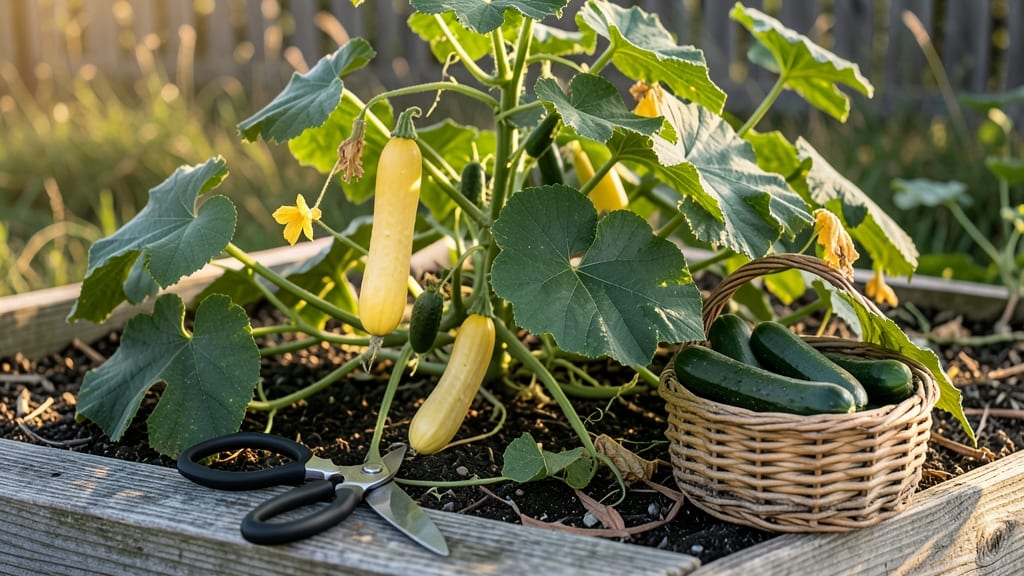
Yellow cucumbers are perfectly safe to eat—they’re simply overripe or a natural variety with higher sugar content, offering a sweeter, softer texture while retaining nutrients like vitamin C and potassium. Avoid if moldy or slimy.
Yellow cucumbers aren't a cause for concern—they're either reaching peak ripeness or a naturally sweeter heirloom variety. 🌱 The color change happens as natural sugars convert from starches, creating a milder, almost honey-like flavor that works beautifully in pickles or salads.
I've used them in summer soups where their subtle sweetness balances acidity perfectly, though I always cut off any slimy patches first. The key difference is texture: ripe cucumbers become softer but still hold their shape when cooked.
For storage, wrap them in a paper towel to absorb excess moisture and keep them in the fridge—this slows further ripening. If they're too soft for fresh eating, try blending into gazpacho or fermenting for homemade kimchi.
Just remember: yellow skin alone doesn't indicate spoilage, but any foul odors or mushy spots mean it's time to compost.
💡 In This Article
- Why Cucumbers Turn Yellow: Ripeness vs Spoilage
- How to Use Yellow Cucumbers in Cooking
Why cucumbers turn yellow: ripeness vs spoilage
The color shift from green to yellow in cucumbers happens due to chlorophyll breakdown and carotenoid development. As cucumbers mature, chlorophyll—the green pigment—degrades while carotenoids (yellow-orange pigments) become more dominant.
This process is similar to how tomatoes turn red when ripe, but cucumbers don't develop the same level of sweetness as tomatoes because their sugar conversion is less dramatic. 🌱
Heat and humidity accelerate this yellowing process. Cucumbers grown in 75-85°F temperatures with moderate humidity ripen faster, often turning yellow within 10-14 days after reaching full size. The sugar content increases by about 20-30% during this phase, which is why yellow cucumbers taste sweeter.
However, this ripening also softens the skin due to cell wall breakdown, making them less ideal for fresh slicing.
Spoilage looks different—it involves mold growth (fuzzy spots), fermentation (sour smell), or bacterial soft rot (slimy texture). Mold appears as white, green, or black fuzzy patches, while spoilage often starts at the stem end.
The key difference is that ripe cucumbers smell fresh and have firm flesh, while spoiled ones emit a fermented or rotten odor. 💫
Genetics also play a role. Some heirloom varieties like 'Lemon Cucumber' naturally turn yellow when ripe, while others like 'Straight Eight' remain green. These varieties have higher sugar content from the start, making them sweeter even before full yellowing.
The nutritional trade-off is minimal—vitamin C remains stable, but water content drops by about 15%, concentrating other nutrients.
Storage conditions matter greatly. Storing cucumbers at 45-50°F slows ripening, while room temperature speeds it up. High humidity (above 85%) encourages mold growth, so proper ventilation is crucial.
If you notice yellowing but no other signs of spoilage, the cucumber is simply ripe and safe to eat—just adjust your cooking method accordingly.
For visual identification, check the skin texture: ripe cucumbers have a slightly waxy, dry feel, while spoiled ones feel slimy or sticky. The stem end is the first place to check for softness or discoloration. 🔥