
Picking
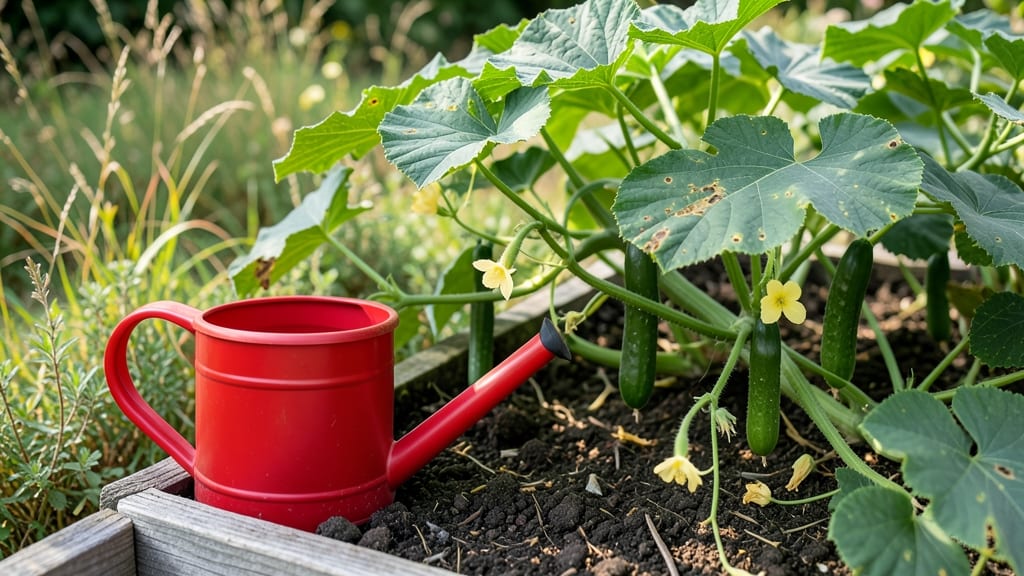
Dark, sunken spots on your cucumber leaves mean one thing: anthracnose is already winning the battle. 🌱 I’ve lost entire vines to this stubborn fungus, but I’ve also learned how to stop it before it takes over—starting with the right identification and quick action.
This disease thrives in humid conditions and crowded plants, turning vibrant foliage into a patchwork of brown, sunken lesions. The key to saving your crop? Spacing plants properly, removing infected leaves immediately, and avoiding overhead watering.
Even organic fungicides like copper spray can turn the tide when applied at the first sign of trouble.
By the time you see the classic "target-like" spots on fruit, it’s too late for that plant—but your next harvest can still be saved. With consistent monitoring and a few simple adjustments, you’ll break the cycle and enjoy cucumbers that stay healthy and productive all season long.
Works for both garden beds and containers, and the same principles apply whether you’re growing slicing, pickling, or heirloom varieties. Let’s get those plants back on track!
Root Causes Of Fungal Spots
Anthracnose in cucumbers isn’t just a random bad luck scenario—it’s the result of a perfect storm of environmental and agricultural factors. Understanding why these fungal spots appear helps you disrupt the cycle before it starts. Let’s break down the key culprits, backed by science and practical insights.
The fungus Colletotrichum orbiculare thrives in heat and moisture, making summer gardens a prime breeding ground. Here’s how weather plays a role:
- High temperatures (77–86°F): The fungus’s spores germinate faster in warm soil and air, turning cucumber leaves into a buffet.
- Prolonged leaf wetness: Rain, dew, or overhead irrigation keeps leaves damp for more than 6 hours, giving spores the ideal environment to infect wounds or stomata (leaf pores).
- Sudden humidity spikes: Greenhouses or densely planted rows trap moisture, creating microclimates where the fungus spreads like wildfire.
Pro tip: 🌡️ Monitor your local weather forecasts—if humidity stays above 80% for days, take preemptive action (like fungicides or pruning).
Cucumbers need space to breathe—literally. When plants are packed too closely:
- Stagnant air reduces evaporation, keeping leaves wet longer and slowing drying.
- Shaded foliage stays cooler and damper, creating ideal fungus hotspots.
- Injured vines from rubbing against each other provide entry points for spores.
Actionable fix: 🌿 Train vines vertically on trellises or stakes, leaving 12–18 inches between plants. Prune lower leaves to improve airflow—this alone can cut infection rates by 50%.
Water isn’t just a necessity—it’s a double-edged sword. Improper irrigation accelerates anthracnose:
| Problem | Why It Matters |
|---|---|
| Overhead sprinklers | Splashes spores from soil onto leaves, like a fungal cannonball. |
| Inconsistent watering | Fluctuating moisture stresses plants, weakening defenses and creating wounds. |
| Waterlogged soil | Oxygen deprivation stunts roots, making plants more susceptible to fungal invasion. |
Smart solution: 💧 Use drip irrigation or soaker hoses to deliver water at the base. Water in the early morning so leaves dry by afternoon.
The fungus persists in the environment, lying in wait for its next host. Here’s how it hides:
- Infected plant residue: Old cucumber leaves, stems, or even compost with diseased material harbor spores for years.
- Soilborne pathogens: If previous crops (like peppers or tomatoes) had anthracnose, the fungus may still lurk in the dirt.
- Weeds acting as hosts: Some weeds (e.g., pigweed) can carry the fungus and spread it to cucumbers.
Cleanup tip: ✨ Remove all plant debris after harvest—burn or compost it separately (not in garden beds). Rotate crops annually to starve the fungus.
Every scratch, tear, or bruise is an open invitation for Colletotrichum orbiculare. Common culprits:
- Hail or wind: Torn leaves expose inner tissues to infection.
- Harvesting mishaps: Rough handling of cucumbers creates wounds where spores can penetrate.
- Insect feeding: Cucumber beetles or aphids chew leaves, leaving entry points.
Prevention hack: 🛡️ Use row covers early in the season to shield plants from pests and hail. Handle fruit gently—never drop cucumbers during harvest!
How to Treat and Prevent Fungal Spots
Now that you know the causes behind anthracnose in cucumbers—whether it’s humidity, poor airflow, contaminated soil, or overwatering—it’s time to take action. The good news? With the right steps, you can stop the spread, save your plants, and prevent future outbreaks.
Below, we’ll break down practical fixes based on the root cause, plus prevention tips to keep your cucumber patch healthy.
Problem: Anthracnose thrives in damp, stagnant conditions—overcrowded plants trap moisture and spores.
Solution:
- 🌱 Prune aggressively – Remove lower leaves touching the soil and thin vines to allow 3–4 inches of space between plants.
- 🌿 Train vines upward – Use trellises or stakes to elevate cucumbers, keeping foliage 6+ inches off the ground.
- ⏰ Space new plants properly – At planting, leave 2–3 feet between rows and 12–18 inches between plants.
💡 Pro Tip: If you’re growing in containers, choose wider, shallower pots (not deep ones) to improve airflow at the base.
Problem: Wet leaves for long periods create the perfect breeding ground for anthracnose spores.
Solution:
- 🌧️ Water at the base, not overhead – Use drip irrigation or soaker hoses to keep foliage dry.
- 🕒 Water early in the day – Avoid evening watering so leaves have 4+ hours to dry before nighttime humidity sets in.
- 🚰 Reduce frequency, increase depth – Water deeply 2–3 times per week (instead of daily light sprinkles) to encourage strong roots.
✨ Prevention Hack: Mulch with straw or grass clippings (not plastic) to reduce soil splashing onto leaves.
Problem: Weak, stressed cucumbers are more susceptible to fungal attacks.
Solution:
- 💪 Fertilize right – Use a balanced fertilizer (10-10-10) at planting, then switch to low-nitrogen, high-phosphorus (5-10-10) when flowers appear.
- 🍃 Avoid over-fertilizing – Too much nitrogen = soft, weak growth = more fungal entry points.
- 🌿 Rotate crops – Don’t plant cucumbers (or other cucurbits like squash) in the same spot for 3+ years to break disease cycles.
🎯 Disease-Resistant Varieties: Try these anthracnose-resistant cucumber picks:
- ‘Straight Eight’ (slicing)
- ‘Marketmore 76’ (processing)
- ‘Poona Kheera’ (heirloom, disease-tolerant)
Problem: Spores linger in old plant debris, soil, and tools—ready to reinfect next season.
Solution:
- 🔪 Remove infected plants immediately – Don’t compost them! Burn or trash (not green waste bins) to kill spores.
- 🧼 Sterilize tools & containers – Soak pruners, trellises, and pots in a 1:10 bleach-water mix (or 70% rubbing alcohol) for 10 minutes, then rinse.
- 🌱 Refresh soil – If anthracnose is severe, replace top 6 inches of soil or mix in compost + fungal inhibitor (like neem cake or copper fungicide).
🔥 Emergency Fix: For badly infected plants, spray with a copper fungicide (like Cupric Hydroxide) or baking soda mix (1 tsp baking soda + 1 quart water + a drop of dish soap) every 7–10 days until new growth appears.
Problem: Anthracnose can return if conditions stay favorable.
Solution:
- ☀️ Choose sunny spots – Cucumbers need 6–8 hours of sunlight daily; shade slows drying and encourages fungal growth.
- 🌬️ Improve drainage – If your soil stays soggy, raise beds or add sand/compost to help water drain faster.
- 📅 Monitor weather forecasts – If high humidity (75%+) is forecasted, plan to water early and prune to reduce risk.
💡 Long-Term Defense:
- Plant companion crops – Marigolds, nasturtiums, or basil near cucumbers may repel pests that stress plants.
- Use row covers early – Floating row covers (before flowering) can block spores while allowing pollination.
Final Reminder: Anthracnose is manageable—but fast action is key. The sooner you prune, adjust watering, and sterilize, the better your chances of saving your crop and keeping next season’s plants healthy. 🚀
Frequently asked questions about cucumber anthracnose
What do anthracnose spots look like on cucumbers?
Start as small, dark brown or black spots that become sunken with irregular edges. On leaves, they often have a target-like pattern with concentric rings. Fruit spots are usually raised, circular, and leathery—they won't heal and will crack as the cucumber grows.
Can I still eat cucumbers with anthracnose?
Only if the spots are small and superficial. Cut away at least 1 inch around infected areas to remove hidden spores. Never eat cucumbers with deep sunken lesions or those that feel mushy—these contain active fungus. For severe cases, discard the entire fruit to prevent spreading spores to healthy plants.
How fast does anthracnose spread between plants?
In humid conditions (75%+ humidity), spores can spread to adjacent plants within 5-7 days. Wind, rain, and contaminated tools accelerate the process. The fungus overwinters in plant debris, so infected areas can become reinfected the following season if not properly cleaned up.
Will homemade sprays work for anthracnose?
Some help as preventive measures but aren't cure-alls. A baking soda spray (1 tsp baking soda + 1 quart water + drop of dish soap) can reduce spores when applied every 7-10 days. For active infections, organic copper fungicides (like copper hydroxide) are more effective—follow label rates for best results.
Can I save my cucumber plants if anthracnose is already spreading?
You can slow it down but likely won't save heavily infected plants. Prune all diseased leaves immediately, sterilize tools between cuts, and apply fungicide. For new growth, consider replanting disease-resistant varieties in fresh soil. The key is prevention next season—rotate crops and improve airflow.