
Vegetables
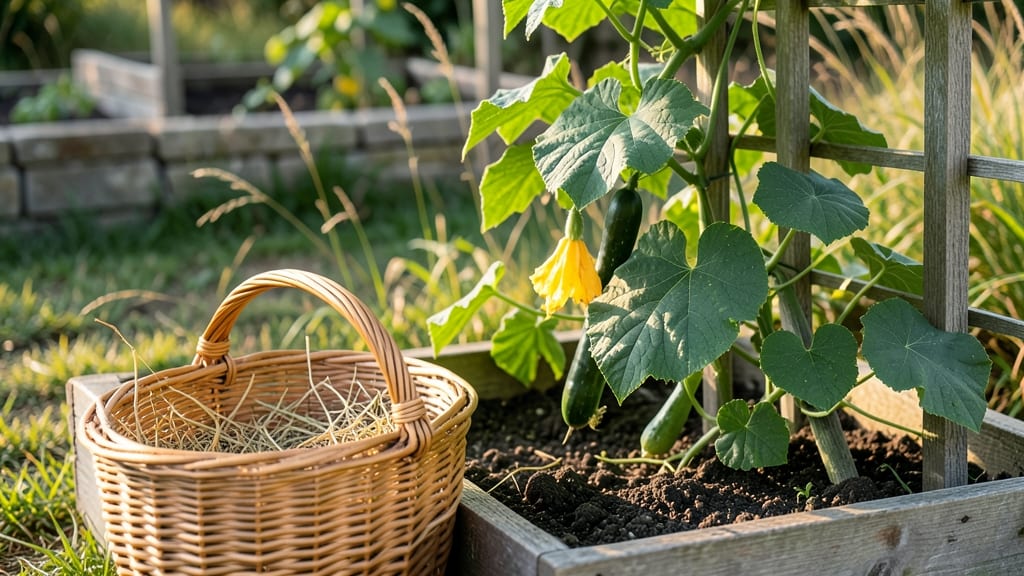
Growing 8-inch cucumbers in containers means you can enjoy crisp, bite-sized harvests without a sprawling vine. 🌱 I’ve grown these compact varieties for years, and they’re perfect for small spaces—no yard needed. The key is controlling their growth while encouraging fruit production, which is easier than you’d think.
You’ll need a 5-gallon container per plant, well-draining soil, and a sturdy trellis to keep vines contained. Water consistently (about 1 inch per week), but avoid soggy soil—root rot is the biggest enemy.
Prune regularly to remove suckers and encourage upward growth, which keeps the plant focused on producing those perfect-sized cucumbers. By mid-summer, you’ll be harvesting crunchy, seedless cucumbers every 3–4 days. The flavor is sweeter than store-bought, and the size makes them ideal for snacks or salads.
The best part? These vines stay manageable, so even beginners can succeed. If you’re short on space or dealing with pests, this method works for balconies, patios, or even sunny windowsills. Just keep an eye out for cucumber beetles and use row covers if needed.
Here’s how to set it up for foolproof results!
📚 In This Guide
- What you need
- Instructions
- Tips and common mistakes
- Wrapping up and next steps
What you need
- ● Seeds or Seedlings: 1–2 packets of 8-inch cucumber seeds (e.g., 'Eight Ball' or 'Bush Champion'). Opt for heirloom or hybrid varieties labeled for compact growth.
- ● Containers: 1–2 5-gallon fabric grow bags or large pots (at least 12–18 inches deep) with drainage holes.
- ○ Optional: A self-watering planter to reduce maintenance.
- ● Potting Mix: 1 bag of high-quality, well-draining potting soil (avoid garden soil—it compacts easily). Look for a mix labeled for container gardening.
- ○ Optional: Add 1 cup of compost or worm castings per container for extra nutrients.
- ● Support Structures: 1–2 small trellises, cages, or stakes (4–6 feet tall) to encourage vertical growth and prevent sprawling.
- ○ Optional: Twine or soft plant ties to secure vines gently.
- ● Basic Gardening Tools: A trowel for planting.
- ● A watering can or hose with a gentle spray nozzle (avoid overhead watering to prevent disease).
- ● Pruning shears for trimming excess leaves or vines.
- ● Fertilizer: A balanced, water-soluble fertilizer (10-10-10 or 5-5-5) or organic options like fish emulsion.
- ○ Optional: Slow-release granules mixed into the soil at planting time.
- ● Mulch: Straw, shredded leaves, or landscape fabric to retain moisture and suppress weeds.
- ● Prerequisites: A sunny spot (6–8 hours of direct sunlight daily).
- ● Access to water (cucumbers need consistent moisture!).
- ○ Optional: A thermometer to monitor soil temperature (ideal for germination: 70–90°F).
Step-by-step instructions for growing compact 8-Inch cucumbers
Here's how I grow these space-saving beauties—perfect for balconies, patios, or small gardens.
🌱 Step 1: Select the Right Variety and Pot
Choose a bush-type cucumber variety specifically bred for compact growth, like 'Bush Champion' or 'Spacemaster.' These stay under 8 inches tall while producing abundant fruit. Use a 5-gallon container with drainage holes—cucumbers hate soggy roots. I always opt for fabric grow bags because they prevent root circling and allow excess water to evaporate.
Fill the container with well-draining potting mix (avoid garden soil—it compacts and suffocates roots). Mix in a slow-release fertilizer at planting time for steady nutrition. Press the soil down lightly to create a firm but not rock-hard base. This ensures roots anchor properly and won’t float during watering.
☀️ Step 2: Plant and Provide Support Early
Plant one seedling per container (or sow 2-3 seeds if starting from seed) at a depth of 1 inch. Space plants 12-18 inches apart if growing multiple in a large container. The moment you plant, install a small trellis or cage—even compact varieties appreciate vertical support. I use bamboo stakes with twine because they’re lightweight and easy to adjust as vines grow.
Position your container in full sun (at least 6-8 hours daily). Cucumbers are heat-lovers, so a south-facing spot is ideal. If your patio gets afternoon shade, supplement with a grow light for 4-6 hours to prevent leggy growth. Watch for yellowing leaves—this is your signal the plant isn’t getting enough light.
💧 Step 3: Water Deeply and Maintain Consistency
Water deeply every 2-3 days, soaking the entire root zone until water runs out the drainage holes. Cucumbers have shallow roots, so surface moisture evaporates fast. I use a watering wand to direct a gentle stream at the base, avoiding wet foliage (which invites fungal diseases). Let the top inch of soil dry between waterings—this prevents blossom-end rot and keeps fruit crisp.
Mulch with 2-3 inches of straw to retain moisture and regulate soil temperature. This is especially critical in containers, where soil dries out faster. Once flowers appear, I fertilize weekly with a balanced liquid feed (10-10-10) to encourage both blooms and fruit set. Overwatering now will cause fruit to split—soak thoroughly but don’t let containers sit in saucers of water.
🌿 Step 4: Prune and Train for Compact Growth
Pinch off the first few flowers that appear to redirect the plant’s energy into stronger vines. This ensures the main stem develops 5-6 lateral branches before fruiting. Once the plant reaches the top of its support, prune the main vine to encourage bushier growth. Remove any yellow or diseased leaves immediately—they’re magnets for pests and disease.
Gently weave vines through the trellis as they grow, but don’t force them. Compact varieties produce fruit along the stem, so avoid heavy pruning—you’ll sacrifice yield. Harvest every 2-3 days to encourage continuous production. Unpicked cucumbers signal the plant to stop flowering, so stay on top of it!
⏰ Step 5: Extend the Season with Simple Tricks
In cooler climates, protect plants with a frost blanket at night until temperatures stay above 55°F. Cucumbers are tropical and bolt (go to seed) when stressed by cold. I also rotate containers every few days to ensure even sun exposure—this prevents lopsided growth and maximizes fruit production. If your summer gets scorching, provide afternoon shade to prevent sunscald on young fruit.
By late summer, reduce watering slightly and stop fertilizing 2-3 weeks before your first frost. This hardens off the plant and lets it focus on ripening existing fruit. With proper care, a single 8-inch bush can yield 10-15 cucumbers over the season—proof that big harvests don’t require big space!
Tips & tricks for perfect 8-Inch cucumber growth
Let me share the game-changing details that transformed my container cucumbers from struggling plants to prolific producers.
Variety Selection: When choosing your bush-type cucumber seeds, look for labels that specifically mention "compact" or "bush" varieties. 'Bush Champion' and 'Spacemaster' are my top picks because they stay true to their 8-inch height promise while delivering consistent yields. I've tried regular vining varieties in containers, and they always outgrow their space—don't make that mistake! These compact types are bred to thrive in confined spaces without sacrificing production.
Container Configuration: The 5-gallon container size is non-negotiable for these compact cucumbers—anything smaller will stunt root development. I've found that fabric grow bags work better than plastic because they allow excess moisture to evaporate through the sides, preventing the compacted soil issues that plague traditional pots. Make sure your container has at least four drainage holes—cucumbers absolutely hate soggy roots. Pro tip: Elevate your containers on feet or bricks to improve drainage and air circulation at the base.
Sunlight Optimization: Those 6-8 hours of daily sunlight are critical, but don't assume your patio automatically qualifies. I learned this the hard way when my first attempt produced leggy, weak plants. If you notice yellowing leaves or stems stretching toward the light, you're not getting enough. For balcony growers, a south-facing position is ideal, but if that's not possible, supplement with a grow light for those 4-6 hours during the plant's peak growth phase. I use a simple LED clip-on light—it's affordable and surprisingly effective for container plants.
Watering Wisdom: The deep watering every 2-3 days is essential, but timing matters just as much. Water in the morning so the foliage has time to dry before evening—this prevents fungal diseases that thrive in damp conditions. I've developed a simple test: Stick your finger about an inch into the soil. If it feels dry, it's time to water. Overwatering is the #1 killer of container cucumbers, so resist the urge to water lightly every day. The goal is to soak the entire root zone until water runs freely from the drainage holes.
Pro Tips for 8 Inch Cucumber
- Let me share the game-changing details that transformed my container cucumbers from struggling plants to prolific producers.
- Variety Selection: When choosing your bush-type cucumber seeds, look for labels that specifically mention "compact" or "bush" varieties.
- Container Configuration: The 5-gallon container size is non-negotiable for these compact cucumbers—anything smaller will stunt root development.
Frequently asked questions
How long does it take for an 8-inch cucumber to grow?
With the right care, these beauties typically reach 8-inch lengths in 50–70 days from planting. Early varieties (like ‘Eight Ball’ or ‘Straight Eight’) mature faster—sometimes in as little as 45 days! Monitor vines daily for signs of readiness (like firm, glossy skin and a slight give when pressed).
Can I grow 8-inch cucumbers in containers?
These compact varieties thrive in 5-gallon containers or larger (at least 12–18 inches deep). Use a lightweight potting mix with compost, and provide a trellis or sturdy cage to support their weight. Just ensure containers have drainage holes to prevent root rot.
Why aren’t my cucumbers growing to 8 inches?
Several factors could be at play:
- Insufficient sunlight: Aim for 6–8 hours of direct sun daily.
- Poor pollination: Hand-pollinate flowers with a soft brush if bees are scarce.
- Overcrowding: Space plants 12–24 inches apart (or prune vines).
- Nutrient deficiency: Feed with a balanced fertilizer (like 10-10-10) every 2–3 weeks.
What’s the best way to use an 8-inch cucumber?
These giants are versatile but best used fresh! Slice them into thick rounds for sandwiches, spiralize for salads, or pickle whole for a unique crunch. Avoid overcooking—they turn mushy. For storage, wrap uncut cucumbers in a damp towel and refrigerate for up to 5 days.
Are there alternatives to 8-inch cucumbers for small spaces?
If space is tight, try these compact or bush varieties:
Variety
Size
Days to Harvest
Bush Champion
4–6 inches
50–55 days
Spacemaster
6–8 inches
55–60 days
Armenian (long, slender)
12–18 inches
60–70 days
Wrapping up and next steps
Growing an 8-inch cucumber in containers is not only rewarding but also a fantastic way to enjoy fresh, homegrown produce without the space! 🌱 With the right variety, soil, and care, you can harvest plump, flavorful cucumbers even in small gardens or balconies.
Whether you're a beginner or a seasoned gardener, this compact variety proves that big results come in small packages.
Ready to dive in? Start by selecting your seeds, prepping your containers, and giving your plants the love they deserve. Your first harvest could be just weeks away! Happy growing! 🌿