
Vegetables
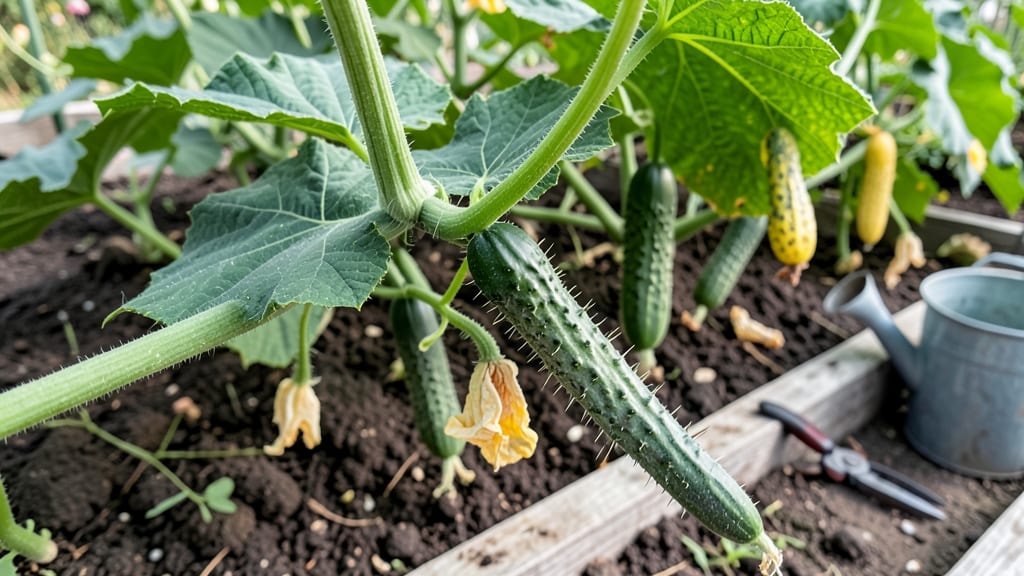
Your cucumbers are spiky because they're not getting what they need—whether it's water, warmth, or the right growing conditions. 🌱 I've seen this happen after a heatwave or when plants get crowded, and the good news is it's almost always fixable with a few simple adjustments.
The problem starts when cucumbers sense stress: too much sun without enough water, sudden temperature swings, or hormonal imbalances from over-fertilizing. Those little spines aren't just for show—they're the plant's way of saying, "Something's off!"
The fix often comes down to consistent watering, proper spacing, and protecting them from extreme heat. Once you adjust care, you'll see smoother cucumbers within a few days. The plants will focus on fruit production instead of defense mode, and you'll get that classic tender texture we all love.
Prune any severely spiky vines to redirect energy toward healthy growth. This works for both bush and vining cucumbers, whether you're growing in ground or containers. Let's get those cucumbers back to their smooth best!
Why it happens
Cucumbers are typically smooth and refreshing, but when their skin turns spiky, it’s usually a sign that something in their environment or care routine has gone awry.
Understanding the root causes—whether environmental, genetic, or related to growth conditions—can help you diagnose and fix the issue before it affects the entire harvest. Here’s a breakdown of the most common reasons your cucumbers might be sporting unwanted spines.
Not all cucumbers are created equal! Some varieties are bred to be smooth-skinned, while others naturally develop spines as a defense mechanism against pests. For example:
- Wild or heirloom varieties often retain their prickly traits, as these spines deter insects and animals from munching on them in their natural habitat.
- Commercial slicing cucumbers (like 'Straight Eight' or 'Marketmore') are typically smooth, but if you’re growing a Cucumis sativus var. hardwickii (a spiny wild relative), expect some prickles.
- Hybrid cucumbers labeled as "smooth" may still develop mild spines if stressed or if the genetics aren’t fully dominant.
Pro Tip: 💡 If you’re growing from seeds, check the variety description. If spines are a known trait, embrace them—or opt for a smooth-skinned hybrid next time!
Cucumbers are heat-sensitive, and when they experience extreme temperatures or intense sunlight, their skin can react by producing more spines as a protective measure. Here’s how it happens:
- Excessive heat (>90°F/32°C): High temperatures disrupt normal cell development, causing the plant to prioritize defense over smooth skin. The cucumber’s epidermis may produce trichomes (hair-like structures) or glandular spines to reflect sunlight and reduce water loss.
- Inconsistent sunlight: If cucumbers are exposed to direct, harsh afternoon sun (especially in dry climates), they may develop spines to shield themselves from UV damage.
- Poor soil moisture: When roots struggle to absorb water, the plant signals the skin to thicken and develop spines as a water-retention strategy.
Fix It: 🌡️ Provide afternoon shade (use shade cloth if needed) and ensure consistent watering—especially during heatwaves. Mulching with straw can also help regulate soil temperature.
Water is the lifeblood of cucumbers, and imbalances can trigger spiky skin. Here’s how hydration (or lack thereof) plays a role:
| Issue | Why It Causes Spines | Solution |
|---|---|---|
| Underwatering | The plant perceives drought stress and produces spines to reduce transpiration (water loss through the skin). | Water deeply 1-2 inches per week, aiming for the roots, not the leaves. |
| Overwatering | Poor drainage leads to root rot or fungal issues, forcing the plant to allocate energy to defensive structures like spines. | Ensure well-draining soil and avoid soggy conditions. Use raised beds if your garden retains too much moisture. |
| Inconsistent watering | Fluctuating moisture levels confuse the plant, leading to uneven skin development and prickles. | Stick to a consistent schedule—drip irrigation or soaker hoses work best. |
Pro Tip: ✨ Test your soil’s moisture by sticking your finger 1-2 inches deep. If it’s dry, water; if it’s damp, wait. Cucumbers prefer consistency over excess.
When cucumbers feel under attack by insects, their first line of defense is often spines. Common pests that trigger this response include:
- Cucumber beetles: These yellow-and-black striped bugs chew on leaves and stems, prompting the plant to grow spines as a deterrent.
- Aphids or spider mites: While they don’t directly cause spines, their sap-sucking damage weakens the plant, leading to abnormal growth patterns, including prickles.
- Squash bugs: Their feeding can stress the plant, causing it to divert energy to defense mechanisms.
Act Fast: 🔥 Inspect leaves daily for pests. Use neem oil, row covers, or beneficial insects (like ladybugs) to keep populations in check. Healthy plants are less likely to develop spines!
Cucumbers are heavy feeders, and deficiencies or excesses in key nutrients can lead to spiky skin. Here’s what to watch for:
- Nitrogen deficiency: While nitrogen fuels leafy growth, a lack of it can cause stunted development and trigger defensive spines as the plant struggles to grow normally.
- Calcium deficiency: Without enough calcium, cell walls weaken, leading to abnormal skin texture, including spines. This is often called blossom-end rot’s less severe cousin.
- Excess phosphorus: Too much phosphorus can overstimulate root growth at the expense of smooth skin development.
Fix It: 📊 Conduct a soil test to identify deficiencies. Amend soil with:
- Compost or worm castings for balanced nutrients.
- Crushed eggshells (for calcium).
- Avoid synthetic fertilizers—opt for organic options to prevent nutrient burn.
Fixing Prickly Cucumber Skin
Now that you know why your cucumbers are spiky, let’s roll up our sleeves and get them back to their smooth, snackable selves! 🥒✨ The good news? Most of these fixes are simple, garden-friendly, and won’t require a PhD in botany.
Below, we’ll tackle each cause with a step-by-step solution—plus pro tips to keep your cucumbers silky smooth for future harvests.
If your cucumbers are battling waterlogged soil or inconsistent moisture, their skin can react by developing prickly textures. Here’s how to fix it:
💧 Step 1: Check the Soil Moisture
- Stick your finger 1–2 inches deep into the soil. If it feels soggy or muddy, you’re overwatering. If it’s bone-dry, you’re underwatering.
- Ideal soil should feel like a damp sponge—moist but not drenched.
🌱 Step 2: Improve Drainage
- If your garden bed or container lacks drainage, amend the soil with:
- Perlite or vermiculite (10–20% of the soil mix).
- Coarse sand (for heavy clay soils).
- Compost (to improve water retention without compacting the soil).
- For containers: Drill drainage holes if missing, and use a pot with a saucer to catch excess water.
🔥 Step 3: Water Smarter
- Water deeply but infrequently: Aim for 1–1.5 inches of water per week (including rain). Use a drip irrigation system or soaker hose to deliver water at the base, avoiding wet leaves (which can cause disease).
- Morning watering is key: Wet soil should dry slightly by evening to prevent fungal issues.
- Mulch like a pro: Spread 2–3 inches of straw or shredded leaves around plants to retain moisture and regulate temperature.
💡 Pro Tip: If your cucumbers are in a container, raise the pot off the ground (use bricks or a stand) to prevent water pooling at the bottom.
Prickly skin can signal your cucumbers are either starving for nutrients or overfed with the wrong ones. Let’s rebalance the equation!
📊 Step 1: Test Your Soil
- Grab a DIY soil test kit (or send a sample to your local extension office) to check pH (6.0–6.8 is ideal) and nutrient levels.
- If testing isn’t an option, observe your plants:
- Yellow leaves? Likely nitrogen deficiency.
- Purple stems? Probably phosphorus or potassium shortage.
- Crispy edges? Could be calcium or magnesium deficiency.
🌿 Step 2: Feed the Right Way
- For nitrogen (leafy growth): Mix in compost tea or a balanced organic fertilizer (like 5-5-5) at planting time.
- For potassium (fruit development): Sprinkle wood ash (sparingly!) or use a banana peel tea (steep peels in water for a week).
- For calcium (prevents bitterness/prickles): Side-dress with crushed eggshells or lime (if soil is acidic).
- Avoid over-fertilizing: Too much salt or synthetic fertilizer can burn roots, worsening prickliness.
🍅 Step 3: Use Foliar Sprays for Quick Fixes
- Epsom salt spray (1 tbsp per gallon of water) for magnesium.
- Seaweed extract (1 tsp per gallon) for a nutrient boost and stress relief.
- Spray early in the morning so leaves dry quickly.
💡 Pro Tip: Fish emulsion is a cucumber’s BFF—it’s packed with nitrogen and micronutrients. Use it every 4–6 weeks for lush, smooth-skinned vines.
Cucumbers are heat-loving but not heat-tolerant—too much sun or sudden temperature swings can trigger prickly skin. Here’s how to cool things down:
☀️ Step 1: Provide Shade (If Needed)
- If temps consistently exceed 90°F (32°C), use shade cloth (30–50%) to filter direct sunlight.
- Avoid plastic row covers—they trap heat. Opt for breathable fabric.
🌡️ Step 2: Regulate Soil Temperature
- Mulch heavily (straw or black plastic) to keep roots cool.
- Water the soil, not the leaves, to prevent heat stress.
- Avoid planting in full sun during peak afternoon heat—morning sun is ideal.
❄️ Step 3: Protect from Cold Snaps
- If nights dip below 55°F (13°C), cover plants with frost cloth or a lightweight blanket.
- Hardening off seedlings (gradually exposing them to outdoor temps) prevents shock.
💡 Pro Tip: Interplant cucumbers with radishes or lettuce—their shallow roots help moderate soil temperature and improve airflow.
Sap-sucking pests like aphids, spider mites, or cucumber beetles can leave behind raised, prickly scars on cucumber skin. Here’s how to evict them:
🐞 Step 1: Inspect Leaves & Stems
- Look for:
- Sticky residue (aphid honeydew).
- Tiny webs (spider mites).
- Chewed holes (cucumber beetles).
- Act fast—pests spread quickly!
🛡️ Step 2: Use Natural Pest Controls
- Neem oil spray (1 tbsp neem oil + 1 tsp mild soap per quart of water). Spray every 5–7 days.
- Insecticidal soap (for soft-bodied pests like aphids).
- Diatomaceous earth (food-grade only!) around the base of plants to deter crawling pests.
- Row covers (fine mesh) to block beetles before they lay eggs.
🐝 Step 3: Encourage Beneficial Bugs
- Ladybugs and lacewings eat aphids. Buy them online or attract them with dill or fennel plants.
- Predatory mites control spider mites—introduce them at the first sign of webbing.
💡 Pro Tip: Crush beetles by hand in the early morning (they’re slow then!). Drop them in soapy water to kill them instantly.
Some cucumbers are naturally bumpy or prickly—especially heirloom or "wild-type" varieties. If your cucumbers are consistently spiky regardless of care, it might be time to switch varieties.
🥒 Step 1: Identify Your Cucumber Type
- Smooth-skinned varieties: ‘Straight Eight’, ‘Marketmore’, ‘Diva’, ‘Suyo Long’.
- Bumpy but edible: ‘Armenian’, ‘Lemon’, or ‘Snake cucumbers’ (intentionally textured).
- Avoid if you hate prickles: ‘Bush Champion’ or some Asian varieties.
🌱 Step 2: Start Fresh Next Season
- Save seeds from your smoothest cucumbers (if organic).
- Buy certified seeds from reputable sellers (e.g., Baker Creek, Johnny’s Selected Seeds).
- Try a different family: If your current plant is a wild cucumber (Sicyos), opt for Cucumis sativus (the cultivated type).
💡 Pro Tip: Hybrid cucumbers (like ‘Poona Kheera’) often have firmer, smoother skin. Look for labels like “parthenocarpic” (self-pollinating) for fewer surprises.
Overripe cucumbers develop thicker skins and prickles as they toughen up. Timing is everything!
⏰ Step 1: Know When to Harvest
- Baby cucumbers: Pick when 4–6 inches long for the smoothest skin.
- Full-size cucumbers: Harvest when 6–8 inches and still bright green.
- Never let them yellow
Frequently asked questions about spiky cucumbers
Are all spiky cucumbers inedible?
Not at all! While smooth-skinned varieties are ideal for fresh eating, many spiky cucumbers are perfectly edible. The spines are simply thicker skin—just peel them off before slicing. Heirloom varieties like 'Armenian' or 'Lemon' cucumbers are intentionally bumpy but delicious. Only avoid extremely bitter or overly tough cucumbers.
How quickly can I fix spiky cucumbers?
With proper care, you'll often see improvements within 3-5 days. Focus on consistent watering, afternoon shade, and pest control. For nutrient issues, soil amendments take 2-3 weeks to show results. Harvesting regularly also encourages smoother new growth.
Can I use the same fix for both garden and container cucumbers?
Yes, but with one key difference: containers need better drainage and more frequent watering. Both benefit from shade cloth, proper spacing, and balanced fertilizer. Just ensure container soil stays consistently moist (not soggy) and use larger pots for vining varieties.
Will removing spines damage the cucumber?
No, gently rubbing with a vegetable brush or peeling removes spines without harm. The cucumber's flesh remains intact. For thick-skinned varieties, use a paring knife to trim prickly areas before cooking or eating.
Are spiky cucumbers more bitter?
Not necessarily—the spines themselves aren't bitter. However, stress from heat, pests, or poor soil can cause bitterness. Focus on fixing the underlying issue (like consistent watering or proper nutrients) to reduce both prickles AND bitterness in your harvest.