
Picking
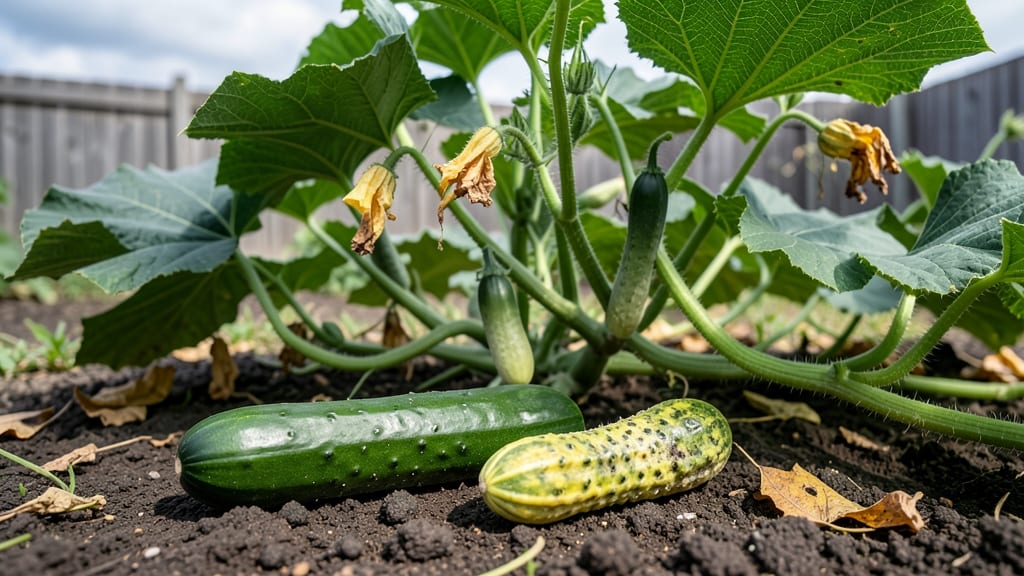
Bitter cucumbers mean your plants are talking to you—if you listen. 🌿 The moment I tasted my first homegrown bitter cucumber, I knew it wasn't a variety issue. It was a message about water, heat, or timing that my plants had been sending for weeks.
Most gardeners blame the seeds first, but the real culprits are overripe fruit, stress from inconsistent watering, or heat stress that triggers the plant's natural defense compounds.
My own garden taught me that even heirloom cucumbers can turn bitter when they're thirsty one day and soaked the next, or when afternoon temps climb past 90°F.
Here's the good news: fixing it is simpler than you think. Harvest cucumbers when they're 6-8 inches long and firm, keep soil consistently moist (not soggy), and provide afternoon shade in extreme heat. Within a week, your next batch will taste crisp and sweet again.
This isn't just about saving your harvest—it's about understanding how your plants communicate. Once you learn their language, you'll grow cucumbers that taste better than store-bought, every single time. Let's get those flavors back where they belong.
The Hidden Triggers Behind Bitter Cucumbers
If your homegrown cucumbers taste like they’ve been dipped in soap or left to stew in a bitter brew, you’re not alone—this is a surprisingly common issue. But why does it happen?
The answer lies in a mix of environmental stress, genetic quirks, and even how (or when) you harvest them. Let’s break down the science behind the sour truth.
Cucumbers are heat-sensitive plants, and when temperatures climb above 90°F (32°C), they start producing cucurbitacins—natural compounds that give them a bitter kick. These compounds are the plant’s way of saying, “I’m struggling!”
Here’s the science:
- High temperatures disrupt photosynthesis, forcing the plant to redirect energy toward defense mechanisms (like cucurbitacins) instead of fruit development.
- Drought conditions (even if soil looks moist) can worsen the bitterness by dehydrating the plant, triggering the same stress response.
- Poor airflow in hot, humid climates creates a “sauna effect,” accelerating stress and bitterness.
💡 Pro Tip: If your garden is baking, try shade cloth (30-50% coverage) or drip irrigation to keep roots cool and soil consistently moist. Harvest in the morning when cucurbitacin levels are lowest.
Bitter cucumbers often mean the plant is either too old or not getting enough water. Here’s how it plays out:
- Overripe cucumbers: As cucumbers mature past their prime, their cell walls break down, releasing bitter compounds. A seed cucumber (harvested when small and firm) is your best bet for sweetness.
- Inconsistent watering: Cucumbers need 1-2 inches of water per week. Fluctuations between drought and flood stress the plant, prompting bitterness. Drip irrigation is ideal—it delivers water directly to the roots without wetting the leaves (which can cause disease).
- Nutrient deficiencies: Lack of magnesium or boron can also trigger bitterness. Yellowing leaves (a sign of magnesium deficiency) or cracked stems (boron deficiency) are red flags.
💡 Pro Tip: Use a soil test kit to check nutrient levels. If magnesium is low, apply Epsom salt (1 tbsp per gallon of water) every 2-3 weeks. For boron, try a borax solution (1/4 tsp per gallon)—but use sparingly!
Not all cucumbers are created equal. Some varieties are genetically predisposed to bitterness, especially if they’re heirloom or wild-type seeds. Here’s what you need to know:
- Hybrid vs. heirloom: Most commercial cucumbers (like Slicing Green or Marketmore) are bred to be sweet and low in cucurbitacins. Heirloom or “wild” varieties (like Armenian or Lemon cucumbers) may have higher bitterness levels unless you select for sweetness over generations.
- Pollination issues: If cucumbers aren’t pollinated properly (common in greenhouses or with few bees), they may develop abnormally and taste bitter. Hand-pollinate by transferring pollen with a paintbrush if needed.
💡 Pro Tip: If you love heirlooms, start with bitter-free varieties like ‘Sweet Success’ or ‘Straight Eight’. Or, save seeds from the sweetest cucumbers to grow your own low-bitterness strain!
Too much of a “good thing” (like nitrogen) can backfire. Here’s how soil plays a role:
- Excess nitrogen: While nitrogen fuels leafy growth, too much (from over-fertilizing) delays fruiting and can lead to bitter, underdeveloped cucumbers. Balance is key—use a 5-10-10 or 10-10-10 fertilizer (low nitrogen, moderate phosphorus/potassium).
- Compacted or poor soil: Cucumbers hate clay-heavy or waterlogged soil. Roots struggle to absorb nutrients, leading to stress and bitterness. Amend soil with compost or aged manure before planting.
- pH imbalances: Cucumbers prefer a pH of 6.0-6.8. Soil that’s too acidic (<6.0) or alkaline (>7.0) can lock out nutrients like phosphorus, causing bitterness.
💡 Pro Tip: Test your soil’s pH with a home test kit. If it’s off, adjust with lime (to raise pH) or sulfur (to lower pH). A mulch layer (straw or grass clippings) helps retain moisture and regulate soil temp.
Now that you know the why, the next section will show you how to fix it—so you can go from bitter to delicious in no time! 🥒✨
Fixing Bitter Cucumbers Naturally
Now that you know the science behind bitter cucumbers, let’s turn those pucker-inducing vines into sweet, crisp harvests! The good news? Most fixes are simple, science-backed, and require minimal effort. Below, we’ve mapped out practical solutions for each common cause—plus prevention tips to keep your cucumbers delicious season after season.
Fix: Harvest at the right time and adjust your watering game.
- 🔥 Pick ‘Em Early
- Cucumbers lose sweetness as they mature. Harvest when they’re 6–8 inches long (check your seed packet for variety-specific sizes).
- Use a sharp knife or pruners to avoid damaging the vine. 💡 Pro Tip: If you miss the window, slice them lengthwise and pickle them—the acidity masks bitterness!
- 👨🍳 Water Deeply, Not Frequently
- Shallow watering stresses plants, triggering bitterness. Water at the base (not the leaves) 1–2 inches deep, 1–2 times per week, depending on heat.
- 🌡️ Heatwave Hack: Mulch with straw or grass clippings to retain moisture and cool roots.
Fix: Shield your plants and time your harvests strategically.
- ⏰ Beat the Midday Sun
- Cucumbers wilt in 90°F+ heat, leading to bitterness. Harvest in the morning when flavors peak.
- 🌿 Provide Shade Cloth: If temps soar, drape 30–50% shade cloth over plants for a few hours daily.
- 🥘 Choose Heat-Tolerant Varieties
- Swap standard cucumbers for heat-resistant types like ‘Straight Eight,’ ‘Marketmore,’ or ‘Lemon Cucumber.’ They handle warmth better!
Fix: Balance nutrients and improve soil health.
- 🍳 Test Your Soil - Bitter cucumbers often signal too much nitrogen (N) or not enough potassium (K).
Get a soil test kit ($10–$20) or send a sample to your local extension office. - 💡 Quick Fix: Mix 1 cup of wood ash (potassium-rich) or 1 tbsp of Epsom salt (magnesium) into the soil around plants.
- 🌱 Feed Smart
- Avoid high-nitrogen fertilizers (like blood meal). Instead, use a balanced 5-5-5 or low-N fertilizer (e.g., 3-4-6).
- 🎯 Compost Tea Boost: Brew a batch of compost tea (steep compost in water for 24–48 hours) and water plants with it weekly.
Fix: Pick the right seeds and work with your plant’s quirks.
- 🔪 Snip and Save
- If bitterness runs in your variety (e.g., some heirlooms like ‘Armenian’), remove the bitter seeds before eating. Scoop out the center and enjoy the flesh!
- ✨ Hybrid Hack: Try ‘Sweet Success’ or ‘Diva’—these are bred to be naturally sweeter.
- 🌿 Grow Bitter-Free Alternatives
- Lemon cucumbers (like ‘Bush Champion’) and slicing types (‘Sweet Slice’) are less prone to bitterness than pickling varieties.
Want to avoid bitter cucumbers entirely? Follow this foolproof routine:
- Start with fresh soil—amend with compost before planting.
- Plant in full sun but provide afternoon shade in extreme heat.
- Water consistently—deep and infrequent beats light sprinkles.
- Harvest religiously—don’t let cucumbers overripe on the vine!
- Fertilize lightly—focus on potassium and phosphorus, not nitrogen.
- Choose the right variety—check seed packets for “sweet” or “heat-tolerant” labels.
💡 Bonus Tip: If all else fails, blanch and freeze your cucumbers—they’ll lose bitterness and gain sweetness when cooked! (Toss slices in boiling water for 2 minutes, then freeze in bags.)
Frequently asked questions
Why do my cucumbers taste bitter even when they're small?
Small bitter cucumbers usually mean your plants are stressed from inconsistent watering or nutrient imbalances. Cucumbers produce bitter compounds called cucurbitacins when they're thirsty one day and overwatered the next. Check your soil moisture daily—aim for 1-2 inches of water per week delivered at the base, not the leaves.
Can I fix bitter cucumbers after they're picked?
Yes! For mild bitterness, try peeling the skin or soaking slices in cold water with a pinch of salt for 10 minutes to reduce the flavor. For stronger bitterness, pickle them—the vinegar and acidity will mask the taste. If they're too bitter to eat fresh, try blanching and freezing them for cooking later.
Are some cucumber varieties naturally bitter?
Yes, certain heirloom and wild-type varieties like Armenian cucumbers or Lemon cucumbers can have higher natural bitterness. However, most commercial hybrids like 'Sweet Success' or 'Straight Eight' are bred to be sweet. If you love heirlooms, try selecting seeds from the sweetest cucumbers to grow your own low-bitterness strain over time.
How do I know if my soil is causing the bitterness?
Look for these signs: yellowing leaves (magnesium deficiency), cracked stems (boron deficiency), or excessive leafy growth with few fruits (too much nitrogen). Test your soil with a $10 home kit—ideal pH is 6.0-6.8. Amend with compost or use Epsom salt (1 tbsp/gallon) if magnesium is low.
Will shade cloth really help with bitter cucumbers?
When temps hit 90°F+, cucumbers produce more bitter compounds. A 30-50% shade cloth can reduce stress by 5-10°F and improve flavor. Install it for afternoon shade (1-4 PM) when the sun is strongest. Pair it with drip irrigation to keep roots cool and soil consistently moist.