
Plants
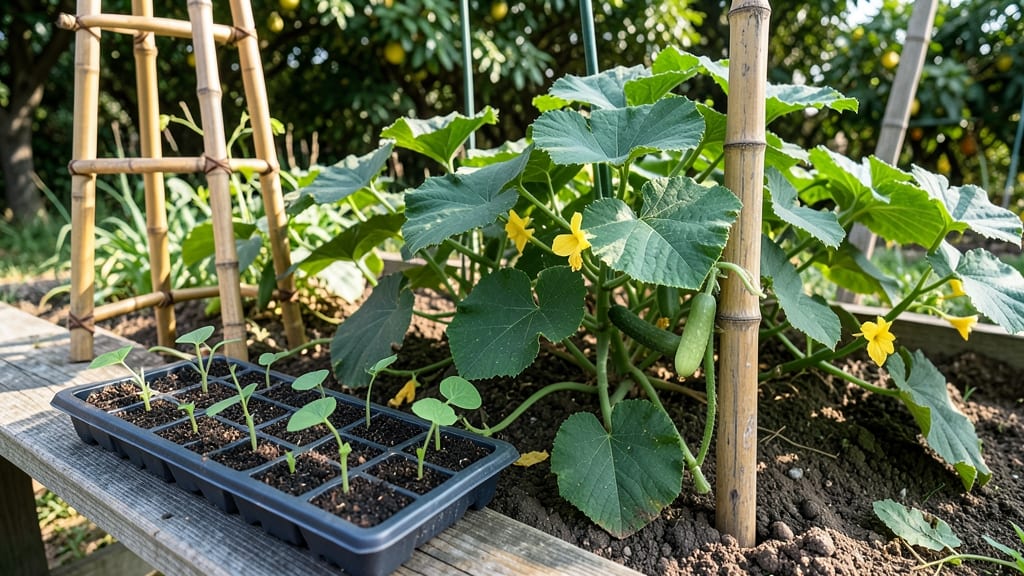
Plant cucumbers in Zone 7b after your last frost date—typically mid-April to early June—when soil temperatures hit a steady 60°F or warmer for peak growth and flavor.
If you’ve ever watched your 🥒 seedlings wilt under a surprise frost or bolt into bitter fruit from summer heat, you know timing is everything.
The 2-3 week window between frost-free and peak summer isn’t just a guess—it’s a balance of soil warmth, air temperature, and daylight that determines whether your plants thrive or struggle.
Zone 7b’s climate means you’ve got two chances: a spring crop that rewards patience with crisp, sweet cucumbers by July, or a late-summer planting for a fall harvest before the first frost.
But rushing it? That’s how you end up with leggy, underproducing vines or worse, plants that never even take off.
Below, I’ll break down the exact frost dates, soil temp secrets, and whether to start seeds indoors or go straight to the garden—plus how to stretch your season with row covers or shade cloth when the weather turns tricky.

Zone 7b cucumber planting timeline: frost dates, soil temps & last call for success
Cucumbers are heat-loving vegetables that demand warm soil and air to thrive. In Zone 7b, planting too early can lead to frost damage or slow growth, while waiting too long may mean missing the optimal summer window.
The key is timing your plantings to align with average last frost dates and soil temperatures of 70°F+.
Most of Zone 7b experiences its last frost around April 15, but coastal areas may see it 1-2 weeks later. Inland regions often warm up faster, giving you a 2-3 week advantage for early planting.
The ideal planting window spans from mid-April to early June, with a second chance in late July for a fall harvest.
Here’s your Zone 7b cucumber planting timeline broken down by critical factors:
| Stage | Action | Soil Temp | Notes |
|---|---|---|---|
| Prep Soil | Test pH (6.0-6.8), amend with compost | 50°F+ | Do this 2-3 weeks before planting |
| Start Seeds Indoors | 3-4 weeks before last frost | 70°F+ | Use heat mat for faster germination |
| Direct Sow Outdoors | After last frost, soil 70°F+ | 70°F+ | Plant ½" deep, 12" apart |
| Transplant Seedlings | 2-3 weeks after last frost | 65°F+ | Hardening off required |
| Fall Planting | Late July (60 days before first frost) | 60°F+ | Choose fast-maturing varieties |
For Zone 7b gardeners, the critical window is the 2-3 weeks before summer heat peaks (typically late May to early June). This timing ensures your cucumbers mature before extreme heat sets in, which can reduce pollination and fruit set.
If you’re in a cooler microclimate, like near a lake or at higher elevations, aim for early June planting.
Soil temperature is just as important as air temperature. Cucumbers won’t germinate well in soil below 60°F, and growth stalls below 70°F. Use a soil thermometer to check—if temps are below 65°F, delay planting or use black plastic mulch to warm the soil faster.
In my garden, I’ve seen 5-7 day faster germination with mulch in Zone 7b.
If your spring is unusually late (like in 2021’s cold snap), consider starting seeds indoors
How to extend your cucumber growing season in Zone 7b: cold start & heat protection tips
Zone 7b gardeners know cucumbers love warmth, but early springs and late summer heat can cut harvests short. The key to a longer season lies in strategic timing and protection. I’ve learned that even a 2-week extension at either end can mean doubled yields—if you avoid these common mistakes.
For early starts, row covers and cold frames let me plant cucumbers 2-3 weeks before the last frost date. In my garden, this means setting out seedlings around mid-April instead of waiting for May. The trick? Choose fast-maturing varieties like 'Straight Eight' that can handle cooler soil temperatures.
⚠️ callout warning
Cucumbers planted before soil reaches 60°F suffer from cold stress, leading to yellowing leaves and poor root growth. Even with row covers, soil temperature is more critical than air temperature. Use a soil thermometer—if it reads below 65°F, delay planting.
🌱 Pro Tip: Black plastic mulch warms soil 5-10°F faster than bare earth. Lay it down 1-2 weeks before planting for an instant boost.
Late-season heat is just as dangerous. When daytime temps hit 90°F+, cucumber flowers often drop off instead of setting fruit. My solution? Shade cloth (30-50%) stretched over trellises keeps vines cool while allowing 60% sunlight—enough for photosynthesis but not enough to scorch leaves.
I also mulch heavily with straw or wood chips to keep roots cool.
Watch for these 3 signs of temperature stress in your cucumbers:
- Yellowing leaves (often starting at the base) from cold soil
- Wilting midday despite moist soil (heat exhaustion)
- Blossom end rot (black spots on fruit) from temperature swings
If you spot these, act fast—adjust your protection immediately.
For a fall harvest, I plant heat-tolerant varieties like 'Lemon Cucumber' in late July. These handle 95°F heat better than standard types. Pair them with drip irrigation to keep foliage dry and reduce fungal risks. My late-season plants often produce into October with this approach.
Remember, cucumbers are 95% water—consistent moisture is non-negotiable. In extreme heat, I water twice daily (early morning and late afternoon) to prevent fruit bitterness and cracking. A 5-gallon bucket of water per plant keeps roots happy without wasting resources.