
Plants
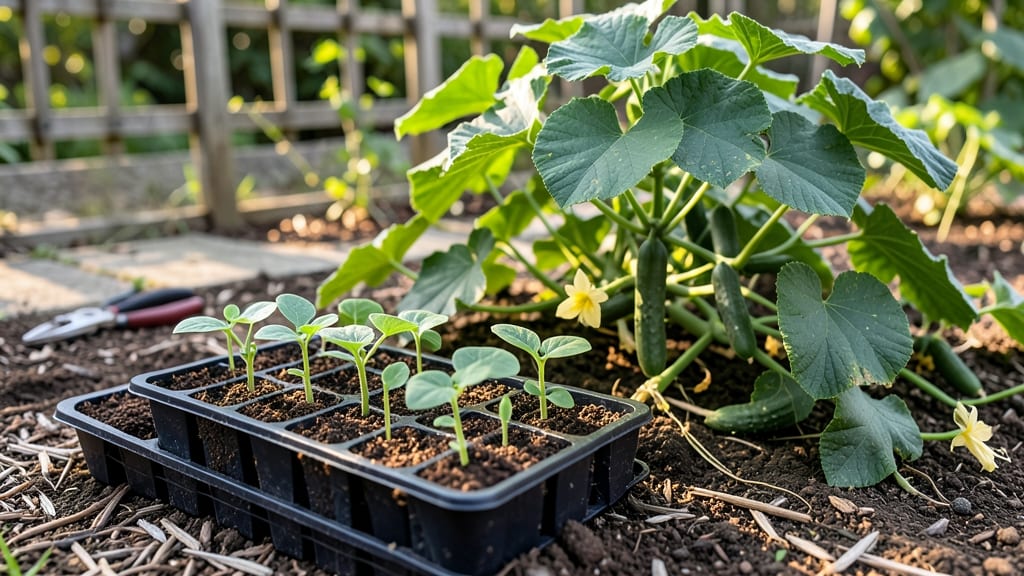
Planting cucumbers in Washington State at the right time means the difference between a bountiful harvest and wasted effort—get the dates wrong, and you risk frost damage or a missed season entirely.
Timing is everything when growing cucumbers in Washington State—plant too early and risk frost damage, too late and miss peak harvest season. Whether you're in the rainy west or the dry east, knowing the exact window for your zone is the key to success.
Washington’s diverse climate means planting dates vary from late April in the warmer eastern zones to mid-May in the cooler western areas. I’ll break down the best times for both direct sowing and transplanting, plus how to adjust for your microclimate.
By the end, you’ll know not just when to plant but also which varieties thrive in your corner of the state, how to prep your soil, and even how to extend the season for a longer harvest. Let’s get those cucumbers growing!
Washington State cucumber planting calendar by USDA zones (5-8)
Growing cucumbers in Washington State requires precise timing to avoid late spring frosts and capitalize on the state's short but productive growing season. With four distinct USDA zones—5 through 8—your planting window varies dramatically from the cooler inland areas to the milder coastal regions.
I'll break down the exact dates for both direct sowing and transplanting greenhouse starts, plus soil temperature requirements to ensure your cucumbers thrive.
Washington's last frost dates range from mid-April in Zone 8 to early June in Zone 5, creating a 6-week difference in planting readiness. Cucumbers need warm soil (60°F+) to germinate properly, so don't rush—waiting for the right conditions prevents stunted growth.
I've included both average dates and flexible windows to account for Washington's unpredictable weather patterns.
How to adjust planting dates for Washington’s microclimates (rainy west vs. dry east)
Washington State’s dramatic climate shifts from the rain-soaked Pacific Northwest to the arid inland deserts create unique challenges for cucumber growers. In Western Washington (zones 7-8), cool, wet springs delay planting, while Eastern Washington (zones 5-6) faces scorching summers that demand early starts.
Your planting dates should shift dramatically between these regions to avoid frost damage or heat stress.
For Western Washington, wait until mid-May to early June after the last frost (typically April 15) and soil warms to 60°F+. In contrast, Eastern Washington gardeners should plant 2-3 weeks earlier, often by late April to mid-May, to escape the intense summer heat.
These adjustments prevent powdery mildew in damp conditions and blossom drop in dry heat.
Western Washington (Zones 7-8)
- Later frost dates allow more time for soil warming
- Consistent moisture reduces irrigation needs
- Lower mildew risk with proper airflow
- Cooler soils delay germination (wait for 60°F+)
- Higher humidity increases fungal diseases
- Shorter growing season requires fast-maturing varieties
Eastern Washington (Zones 5-6)
- Longer daylight hours boost plant growth
- Hotter summers accelerate ripening
- Drier conditions reduce some pests
- Early heat stress requires shade cloth
- Water scarcity demands drip irrigation
- Extreme temperature swings can shock plants
To prepare Western Washington soil, focus on improving drainage with compost and sand mixes, while adding organic mulch (straw or wood chips) to protect roots from dampness.
In Eastern Washington, prioritize moisture retention by amending soil with peat moss or coconut coir and using black plastic mulch to warm the soil faster.
For both regions, avoid planting cucumbers in low spots where cold air pools—Western gardens need raised beds, while Eastern gardens benefit from south-facing slopes.
In Western Washington, trellis cucumbers vertically to improve airflow and reduce mildew, while Eastern gardens should use shade cloth during peak heat (10 AM–4 PM) to prevent sunscald.
Monitor soil moisture closely: Western gardens may need less frequent watering due to rain, while Eastern gardens require daily checks during dry spells. A soil moisture meter ($15) is worth the investment for precise adjustments.
Remember, Western Washington’s longer days in summer actually help cucumbers thrive, but Eastern Washington’s intense sun can lead to bitter fruit if plants aren’t properly hydrated. Adjust your expectations: Western gardens may yield smaller but sweeter cucumbers, while Eastern gardens produce larger but more uniform fruits.