
Plants
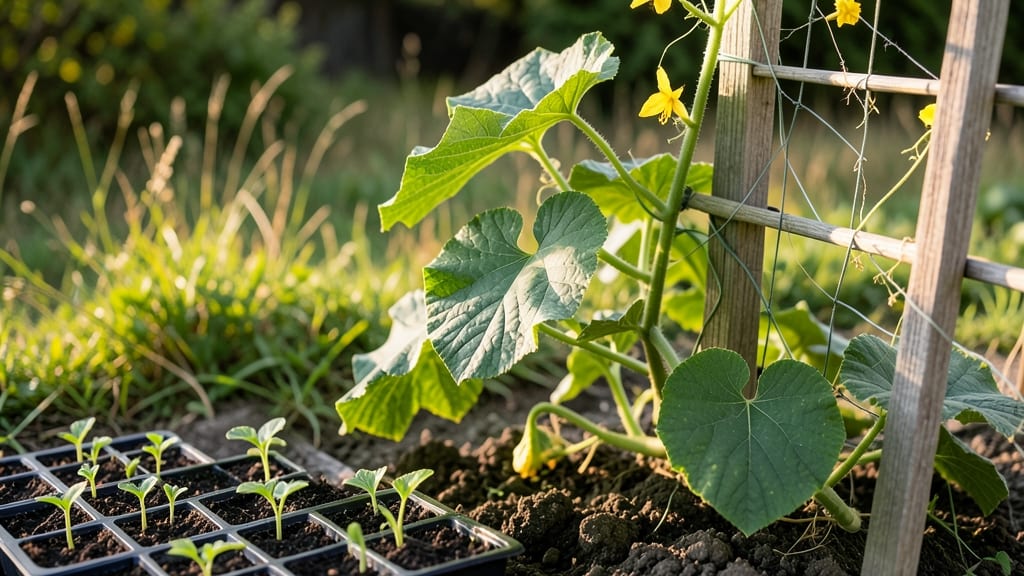
Planting cucumbers in Tennessee after the last frost date — typically mid-April in most zones — unlocks the secret to a thriving harvest.
Here’s the catch: Tennessee’s humid summers and variable frost dates mean waiting too long can scorch seedlings, while planting too early risks a chilly surprise. Get the timing wrong, and you’re left with wilted vines instead of crisp, homegrown 🥒.
Whether you’re in Nashville’s Zone 6b or Memphis’ Zone 7b, the right window ensures your cucumbers thrive from June through September. I’ll break down the exact frost-free dates, soil temperature rules, and how to stretch your growing season for a second fall crop.
By the end, you’ll know the precise planting window for your region — and how to avoid the mistakes that waste even the most eager gardener’s effort.
Tennessee cucumber planting calendar by USDA hardiness zones (6-8)
Timing your cucumber planting in Tennessee depends on your USDA hardiness zone and local frost-free dates.
With zones ranging from 6a to 8a, your ideal planting window shifts from early spring in cooler zones to late spring in warmer areas. Heat-tolerant varieties are essential for Zone 8 gardeners to avoid wilting during peak summer temperatures.
Most Tennessee gardeners focus on two main planting windows: early spring (after last frost) and late summer (for fall harvests). The key is waiting until soil temperatures reach at least 60°F—cold soil slows germination and invites disease.
In Zone 6a, this often means waiting until mid-April, while Zone 8a gardeners can start as early as late March.
Here’s a detailed breakdown of your cucumber planting calendar by zone, including early vs. late spring options and heat-tolerant varieties for Zone 8:
For Zone 6a and 6b gardeners, early spring planting (around April 20) gives cucumbers time to mature before summer heat arrives. If you miss this window, a late spring planting (May-June) still works but may produce smaller yields. Black plastic mulch can help warm soil faster for earlier starts.
In Zone 7a and 7b, you can push planting even earlier—some gardeners in West Tennessee start seeds indoors by March 10 for transplanting after the March 15 average last frost. Heat-tolerant varieties like 'Armenian' cucumbers thrive in these warmer zones and handle summer’s humidity better than standard types.
Zone 8a gardeners in Memphis and Jackson have the longest growing season, but summer heat can be brutal. Tyria cucumbers are a top choice here—they resist powdery mildew and produce well in 90°F+ temperatures.
For a fall harvest, plant seeds by May 20 to avoid bolting (premature flowering) from long daylight hours.
Pro tip: Use a soil thermometer to confirm temperatures are above 60°F before planting. Cold soil delays germination and invites damping-off disease. If your spring is unpredictable, consider row covers to protect young plants from late frosts.
Remember, succession planting every 2 weeks after your initial window ensures a steady supply of fresh cucumbers all summer. For fall harvests, start seeds 8-10 weeks before your first frost date—typically mid-July for most of Tennessee.
🌱
How to extend your Tennessee cucumber growing season with smart techniques
Tennessee’s unpredictable spring weather can leave gardeners frustrated when cucumbers fail to thrive. The key to success? Extending your growing season using simple, effective techniques that protect tender plants from late frosts and heat spikes.
Whether you're in Nashville’s Zone 7a or Memphis’ Zone 7b, these methods will help you harvest cucumbers earlier and later than usual.
Cold frames and row covers are game-changers for early planting. These tools create microclimates that trap heat, allowing you to start seeds 4-6 weeks before the traditional last frost date.
For example, in Chattanooga’s Zone 7a, you might plant cucumbers as early as mid-March under protection, compared to the usual mid-April timeline.
- ❄️ Cold Frames: Start seeds 4-6 weeks early by placing frames over seed beds. Ideal for Zone 6-7 gardeners facing late frosts.
- 🌡️ Row Covers: Use lightweight fabric to raise soil temps by 5-10°F. Remove when flowers appear to prevent heat stress.
- 🌱 Succession Planting: Sow new seeds every 2 weeks from May to July for continuous harvests. Perfect for fall cucumbers in Zone 8.
- ☀️ Heat-Tolerant Varieties: Choose ‘Straight Eight’ or ‘Marketmore 76’ for Zone 8’s intense summer heat. These thrive at 90°F+ soil temps.
- 🌿 Black Plastic Mulch: Warms soil 2-4°F faster than bare earth. Lay mulch 2 weeks before planting to jumpstart growth in cool springs.
For late-season extensions, focus on succession planting and heat-tolerant varieties. In Zone 8’s Nashville area, you can plant cucumbers as late as late July for a fall harvest.
Use dwarf varieties like ‘Bush Champion’ to avoid trellising challenges in crowded gardens. Pair this with drip irrigation to maintain moisture during Tennessee’s dry spells.
Don’t overlook the power of soil temperature management. Test soil temps with a thermometer—cucumbers need 60°F+ to germinate. If your soil is too cold, use black plastic mulch or a mini greenhouse to create the ideal environment.
This is especially critical in elevated areas like East Tennessee, where nights stay chilly longer.
Protecting your cucumbers from pests is another smart strategy. Use floating row covers to block cucumber beetles, which can devastate young plants. Remove covers when flowers appear to allow pollination.
In humid West Tennessee, also watch for powdery mildew—spray plants with a baking soda solution (1 tbsp baking soda + 1 gallon water) every 2 weeks for prevention.
By combining these techniques, you can double your cucumber harvest in Tennessee. Start early with cold frames, extend late with succession planting, and choose varieties that match your local climate. With a little planning, you’ll enjoy fresh cucumbers from May through October—no matter where you garden in the state!