
Plants
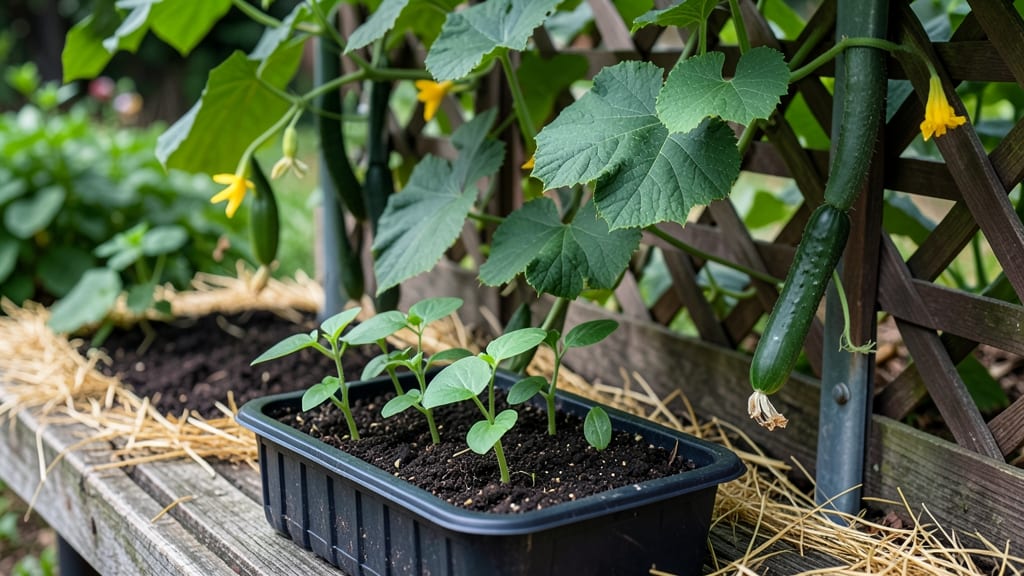
Plant cucumbers in San Diego during the early spring (February–March) or late summer (August–September) for the best flavor and yield 🥒—but timing is everything in this frost-free zone.
San Diego’s Mediterranean climate tricks most gardeners into thinking cucumbers can go in anytime. Yet, plant too early and the coastal fog keeps soil cold; too late, and summer’s relentless sun turns fruits bitter.
I’ve seen both mistakes firsthand—one batch took 60 days to germinate in March, while another wilted in June before producing a single cucumber.
This guide breaks down the two ideal windows by microclimate (coastal vs. inland), plus the soil temperature secret that cuts germination time in half. You’ll also learn which varieties handle San Diego’s heat best—and why container gardening might be your best bet if your yard gets 90°F+ spells.
Ready to grow cucumbers that taste fresh all season? I’ll walk you through the exact dates, companion plants, and spacing tricks that work in USDA Zone 10a, so you can skip the trial-and-error and harvest like a pro.
San Diego’s 2 best planting windows for cucumbers by microclimate zone
San Diego’s Mediterranean climate creates two perfect windows for growing cucumbers, but timing varies dramatically between coastal areas like La Jolla and inland zones like Temecula. Coastal regions enjoy cooler, foggy summers, while inland areas bake under 100°F+ heat—both extremes demand different strategies.
The key? Plant when soil temperatures hit 60°F+ and avoid the June Gloom delays or August heatwaves that can stress vines.
Most gardeners focus on spring planting, but San Diego’s year-round frost-free conditions allow for a second summer harvest if you choose heat-tolerant varieties.
The coastal zone’s March-April window aligns with the inland zone’s April-May start, but inland gardeners must also plan for a late summer replanting in September to avoid the hottest months. Let’s break down the exact dates and varieties that work best for each microclimate.
Comparison Table for San Diego’s Cucumber Planting Windows:
| Microclimate Zone | Primary Planting Window | Secondary Planting Window | Soil Temp Requirement | Recommended Varieties | Key Consideration |
|---|---|---|---|---|---|
| Coastal (La Jolla, Del Mar) | March 15 - April 15 | September 1 - September 15 | 60°F+ | 'Lemon Cucumber', 'Straight Eight' | Fog delays germination; use black plastic mulch |
| Inland (Temecula, Escondido) | April 1 - April 30 | September 15 - October 1 | 65°F+ (warmer soil needed) | 'Heatmaster', 'Bush Champion' | Extreme heat stress; plant with shade cloth |
| Desert-Adjacent (Oceanside, Vista) | March 1 - March 30 | September 1 - September 30 | 62°F+ | 'Diva', 'Sweet Success' | Transitional climate; monitor soil moisture |
For coastal San Diego, the March-April window is ideal because daytime highs average 65-70°F—perfect for germination without the June Gloom humidity that can cause fungal issues. My La Jolla garden thrives with 'Lemon Cucumber' planted in early April, yielding fruits by June.
The secondary window in September lets you harvest through October before the first Santa Ana winds arrive.
Inland areas like Temecula must wait until April 1 to avoid the 100°F+ heat that can scorch young seedlings. Here, 'Heatmaster' cucumbers shine—they tolerate 95°F+ temperatures better than most varieties. I’ve found that planting in late April and using 30% shade cloth extends the harvest window until November.
The September replanting is riskier but can produce sweet, seedless fruits if you use drip irrigation to avoid leaf burn.
If you’re in a desert-adjacent zone like Oceanside, you get the best of both worlds: cooler coastal nights with inland-like daytime warmth. This makes March planting reliable, but you’ll need to mulch heavily to retain moisture.
My Vista garden uses black plastic mulch and drip lines to keep soil temps stable—this combo lets me plant 'Diva' cucumbers as early as February 28 if I’m willing to monitor for aphid outbreaks that thrive in the mild coastal climate.
Pro tip: Always test soil temperature with a soil thermometer before planting—cucumbers won’t germinate below 60°F, even in San Diego. I keep one buried near my garden beds and wait for three consecutive days above 65°F before sowing seeds.
For container gardening, use 5-gallon pots with well-draining mix and plant bush varieties like 'Bush Champion' to save space.
How to adjust planting dates for San Diego’s unpredictable weather patterns
San Diego’s microclimates create unique challenges for cucumber growers. While the coastal areas like La Jolla enjoy mild temperatures year-round, inland zones such as Escondido can experience sudden heatwaves. These fluctuations mean your planting schedule needs flexibility—especially when dealing with coastal fog delays or inland heat stress.
The key is adjusting for soil temperature and weather forecasts rather than relying on fixed dates.
Even with San Diego’s frost-free climate, soil temperatures can drop below the 60°F threshold cucumbers need to germinate. If you’re eager to plant early, try my 5-day soil warm-up trick: lay black plastic mulch 1-2 weeks before planting to raise soil temps by 10-15°F.
This simple hack can shave weeks off your growing season, especially in cooler coastal areas where morning fog lingers into May.
For inland gardeners, heatwaves in June can stress young cucumber plants, leading to bitter fruits or stunted growth. If your high desert-adjacent zones (like Temecula) hit 95°F+ consistently, opt for shade cloth or afternoon shade during peak heat.
Planting heat-tolerant varieties like ‘Straight Eight’ in late July can still yield a fall harvest before cooler weather arrives.
San Diego Cucumber Planting Adjustments
- 1. Coastal Fog Zones (La Jolla, Del Mar): Wait until mid-April for soil temps to stabilize above 60°F. Use row covers if fog persists into May.
- 2. Inland Heat Zones (Escondido, Temecula): Plant late July-August for fall harvests. Use drip irrigation to avoid heat stress.
- 3. Desert-Adjacent (Ramona, Julian): Start seeds indoors in March, transplant after last 90°F+ spell (typically mid-June).
- 4. Soil Warm-Up Trick: Lay black plastic mulch 5 days before planting to raise soil temps by 10-15°F—ideal for early coastal plantings.
- 5. Heatwave Backup Plan: If temps exceed 95°F, provide 30% shade cloth or plant near trees for afternoon shade.
Another trick I’ve used is staggered planting to extend harvests. If you plant half your seeds in March and the other half in late July, you’ll enjoy cucumbers from May through October.
This works especially well in mixed microclimates where some areas stay cool while others heat up. Just be sure to harvest frequently—overripe cucumbers on the vine signal the plant to stop producing.
Monitor weekly weather forecasts for Santa Ana winds, which can dry out soil rapidly. If winds are forecasted, increase watering to 2 inches per week and mulch heavily to retain moisture. For container gardeners, switch to self-watering pots to avoid stress during unpredictable downpours or drought spells.
Finally, don’t overlook companion planting to buffer against weather extremes. Pair cucumbers with bush beans or marigolds to improve soil structure and deter pests. In coastal areas, beans add nitrogen, while in inland zones, marigolds repel cucumber beetles that thrive in heat.
These small adjustments can mean the difference between a bountiful harvest and a disappointing yield.