
Plants
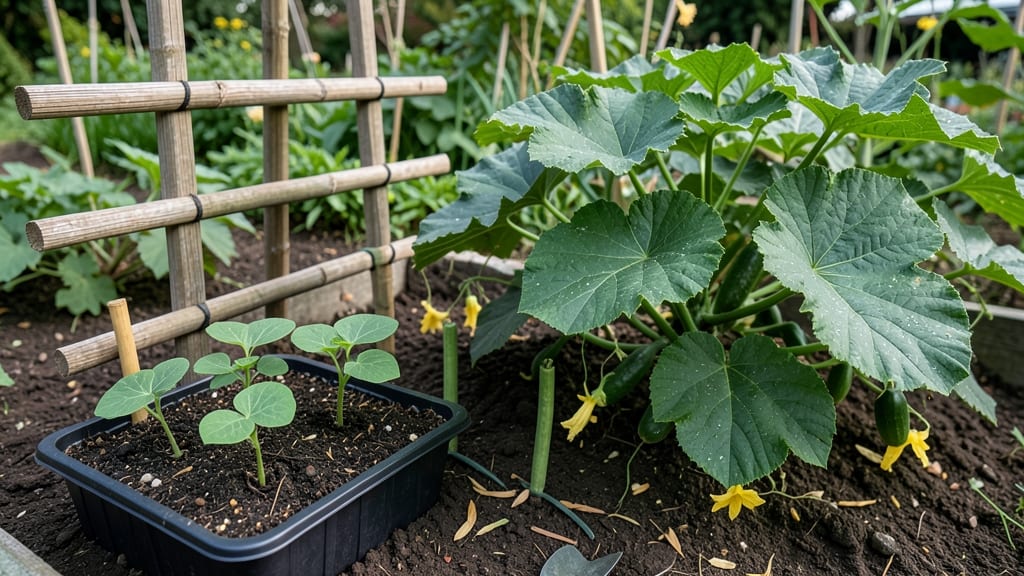
Plant cucumbers in Ohio between April 15 and May 15, when soil warms to at least 60°F and frost danger fades—timing that makes the difference between a thriving 🥒 harvest and wasted effort.
Ohio’s unpredictable spring weather can turn cucumber planting into a gamble—unless you know the exact frost-free dates for your microclimate zone. Get it wrong, and your vines could freeze before bearing fruit; get it right, and you’ll enjoy a bountiful harvest all summer long.
Most Ohio gardeners in USDA Zone 6a wait until mid-April, but northern regions like Toledo may need to push planting to early May, while southern areas like Cincinnati can start sooner. Checking your local frost data ensures you align planting with 55°F+ soil temps—the sweet spot for germination.
Below, I’ll break down the best varieties for Ohio’s short season, how to prep your soil for faster growth, and the 3 key mistakes that kill cucumber yields before they even begin.
Ohio’s cucumber planting zones: frost-free dates by region
Ohio’s diverse geography creates three distinct cucumber planting zones, each with unique last frost dates and soil warming patterns. The Northwest (e.g., Toledo) typically sees frost 2-3 weeks later than the Southeast (e.g., Cincinnati), while Central Ohio (Columbus) falls in between.
Understanding these variations ensures your cucumber seeds or seedlings thrive from the first day in the ground.
Cucumbers are warm-season crops that require soil temperatures above 55°F to germinate properly. In Ohio, this usually aligns with late April to early May, but your exact timing depends on your microclimate.
For example, Lake Erie’s moderating influence can delay frost in Toledo by up to 10 days compared to inland areas like Dayton.
| Region | Avg. Last Frost | Safe Planting Window | Soil Temp Threshold | Key Consideration |
|---|---|---|---|---|
| Northwest (Toledo, Lima) | April 25 | May 1-15 | 60°F+ | Lake Erie delays frost; use black plastic mulch |
| Central (Columbus, Dayton) | April 15 | April 25-May 10 | 58°F+ | Moderate climate; monitor nighttime temps |
| Southeast (Cincinnati, Athens) | April 5 | April 15-25 | 55°F+ | Warmer early spring; watch for sudden cold snaps |
To pinpoint your local frost-free date, cross-reference the NOAA Climate Data for your county with the Old Farmer’s Almanac. For example, if you’re in Findlay, check NOAA’s 10-year average—you might find your last frost occurs 3 days earlier than the regional norm.
I always verify by checking three years of historical data to account for Ohio’s unpredictable weather patterns.
Once you’ve confirmed your frost-free date, wait an additional 7-10 days before planting. This buffer ensures the soil stays consistently warm at 60°F+, which is critical for cucumber germination.
In my Columbus garden, I use a soil thermometer to monitor temperatures—planting too early when soil is still 55°F often results in slow germination or seed rot.
Ohio’s Southeast region often experiences earlier soil warming due to urban heat islands and proximity to the Ohio River.
If you’re in Cincinnati, you might start direct sowing as early as April 15, but always cover young plants with frost cloth until nighttime temperatures stabilize above 50°F. I’ve seen late-April frosts in this area delay harvests by 2 weeks, so timing is everything.
For Northwest Ohio, where Lake Erie’s influence creates a maritime climate, aim for May 1 as your earliest planting date. The lake’s cooling effect can push back last frost dates by 1-2 weeks, but the soil warms more slowly than inland areas.
To compensate, I recommend using black plastic mulch or straw mulch to raise soil temperatures 5-10°F faster.
Regardless of your Ohio planting zone, always harden off seedlings for 5-7 days before transplanting. This gradual acclimation process reduces transplant shock, which is especially important for cucumbers in Ohio’s humid climate.
I harden off my seedlings by placing them outdoors in partial shade during the day and bringing them back inside at night, increasing exposure by 1-2 hours daily.
Pro tip: If you’re starting seeds indoors, begin them 4-6 weeks before your average last frost date. Use grow lights to provide 14-16 hours of light daily—cucumbers need long daylight periods to thrive.
In my experience, seedlings grown under insufficient light become leggy and weak, making them more susceptible to disease and pests once transplanted.
Finally, remember that Ohio’s microclimates can vary even within 10 miles
Best cucumber varieties for Ohio’s short vs. long growing seasons
Ohio’s humid summers and variable frost dates demand cucumber varieties that balance speed and resilience. Fast-maturing types (50–60 days) thrive in short seasons, while longer-season varieties (70+ days) reward patient gardeners with bigger yields.
The key? Match your last frost date to the right variety—and Ohio’s climate makes disease resistance non-negotiable.
For northern Ohio’s cooler microclimates (e.g., Toledo, Cleveland), prioritize early producers like ‘Straight Eight’ (55 days) or ‘Bush Champion’ (50 days). These compact vines tolerate shorter growing windows while resisting powdery mildew, a common Ohio scourge.
Southern Ohio gardeners (e.g., Cincinnati, Columbus) can stretch their season with 70–80-day varieties like ‘Marketmore 76’ or ‘Lemon Cucumber’, which thrive in heat and humidity.
🌱
Fast-Maturing Varieties (50–60 Days)
Slow-Maturing Varieties (70+ Days)
- Ideal for short seasons
- Disease-resistant (e.g., powdery mildew)
- Compact vines (2–4 ft)
- Smaller fruit (6–8 inches)
- Limited yield per vine
- Straight Eight (55 days)
- Bush Champion (50 days)
- Lemon Cucumber (55 days)
- Larger fruit (8–12 inches)
- Higher yield per vine
- Better for longer seasons
- Risk of over-maturity in heat
- May need trellising for support
- Marketmore 76 (70 days)
- Suyo Long (75 days)
- Diva (65 days, parthenocarpic)
Extend your harvest by using succession planting. Sow fast-maturing varieties every 2 weeks after your last frost date (typically mid-April to early May in Ohio) to stagger ripening.
For example, plant ‘Straight Eight’ on May 1 and again on May 15—this ensures cucumbers ripen in June and July before summer heat peaks.
Ohio’s humidity also demands disease-resistant picks. Look for varieties labeled “powdery mildew-resistant” or “downy mildew-resistant”. ‘Marketmore 76’ and ‘Diva’ (a parthenocarpic variety that sets fruit without pollination) are top choices for humid climates. Pair these with trellising to improve airflow and reduce fungal risks.
Pro tip: Save seeds from your healthiest cucumbers for next year! Ohio’s short frost-free window (about 165 days) means seed-saving can help you fine-tune varieties to your microclimate. Store seeds in a cool, dry place until next spring’s planting.
🌿