
How To
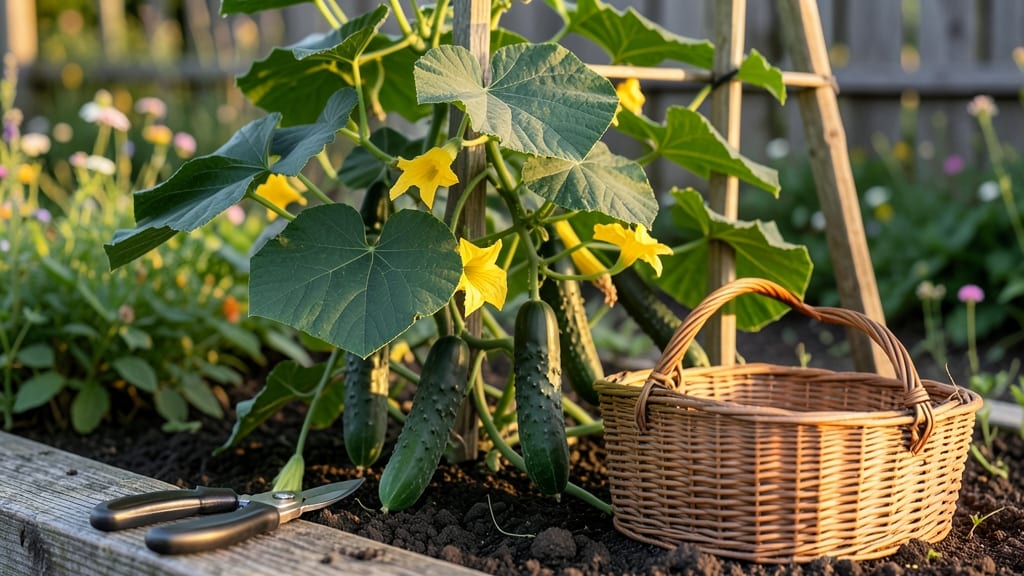
Harvest Armenian cucumbers 🥒 when they reach 4-6 inches and the skin yields slightly to gentle pressure, ensuring peak flavor and crunch.
Picture this: you’ve nurtured your Armenian cucumbers all season, and now the moment of truth arrives—how do you know they’re ready? Too soon, and they’ll taste bland; too late, and bitterness creeps in. The key lies in size, firmness, and a few other subtle cues that most gardeners miss.
In USDA Zone 6a, where spring planting kicks off after the last frost, timing is everything. July through September is prime harvest season, but heat waves can speed up ripening, so check your vines every 2-3 days once they start producing.
Below, I’ll walk you through the 3 foolproof signs to spot a perfectly ripe Armenian cucumber, plus how to avoid common mistakes that lead to wasted harvests. Ready to pick at the perfect moment?
3 Visual and physical signs your Armenian cucumber is ready to harvest
Armenian cucumbers thrive when harvested at the perfect moment—too soon, and they’ll be bland; too late, and they’ll develop a bitter taste. The key is watching for three visual and physical cues that signal peak ripeness.
These slender cucumbers, also called snake cucumbers, reward patience with their crisp texture and sweet flavor when picked at the right stage.
First, focus on the size of the cucumber. Armenian cucumbers are best harvested when they reach 4 to 6 inches in length. At this size, they’re tender, crisp, and packed with flavor.
Waiting longer risks overgrowth, which can make them seedy and bitter. Think of them like green beans—smaller means sweeter!
Next, examine the skin color and texture. The ideal Armenian cucumber should have a bright, even green color with no yellowing or dark spots. The skin should feel firm but slightly yielding when pressed gently—like a ripe avocado.
If the skin feels hard or rubbery, it’s not ready yet.
Finally, check the stem end. A ripe Armenian cucumber will have a slightly soft stem end, often with a tiny yellow blossom end. If the stem end remains hard and green, the cucumber needs more time on the vine. This is your final green light to harvest.
To test ripeness, gently bend the cucumber near the stem. If it snaps easily, it’s ready to pick. This simple trick helps avoid overripe cucumbers, which can stress your plant and reduce future yields.
I like to harvest mine in the early morning when the cucumbers are cool and crisp for the best flavor.
One common mistake is waiting until Armenian cucumbers reach their maximum length. By then, they’ve lost their tender crunch and sweetness. Think of them like zucchini—harvesting small ensures a steady supply of delicious cucumbers all season long. Regular harvesting also encourages the plant to produce more fruit.
If you’re unsure whether a cucumber is ready, cut one open to check the seeds. At the perfect harvest stage, the seeds will be small and soft. Larger, hardened seeds mean the cucumber has passed its prime. This quick test takes just seconds and can save you from disappointment!
Pro tip: Use a small pair of pruning shears or a sharp knife to harvest Armenian cucumbers. This minimizes damage to the vine and helps prevent disease. Always leave a small portion of the stem attached to the cucumber—this protects it from drying out and extends shelf life.
Remember, Armenian cucumbers are fast growers, so check your plants every 2 to 3 days during peak production. The more consistently you harvest, the more cucumbers your plant will produce. With these visual cues, you’ll never miss the perfect moment to pick your Armenian cucumbers again!
How often to check Armenian cucumbers and best harvesting practices
Checking your Armenian cucumbers every 2-3 days ensures you catch them at peak ripeness. These slender cucumbers grow quickly, so frequent inspections prevent overgrowth and maintain plant health. I’ve found that morning harvests work best—cool temperatures preserve flavor and crispness.
Use a pair of clean, sharp pruning shears or your fingers to avoid damaging vines. Always twist gently or cut just above a leaf node to encourage new growth. Never tug hard, as this can stress the plant and reduce future yields.
For continuous production, harvest smaller cucumbers (4-6 inches) more frequently. Larger cucumbers (6+ inches) can still be harvested but may have slightly tougher skin. I recommend prioritizing the smaller, tender ones first to keep the plant productive.
- ✅ Check every 2-3 days during peak growing season (July-Sept).
- ✅ Harvest in the morning for crispest texture and best flavor.
- ✅ Use clean shears or pinch stems to avoid disease spread.
- ✅ Prioritize smaller cucumbers (4-6 inches) for continuous production.
- ✅ Leave 1-2 inches of stem attached to preserve freshness longer.
If you miss a harvest window, don’t worry—Armenian cucumbers can tolerate a 3-4 day delay without significant quality loss. However, waiting longer than 5 days risks bitterness and tougher texture. I’ve learned to set reminders on my phone to check vines regularly.
After harvesting, store cucumbers in the refrigerator’s crisper drawer for up to 5 days to maintain freshness. For long-term storage, wrap them in a damp paper towel and refrigerate. This method keeps them crisp longer than plastic bags.
To maximize yields, I’ve found that pruning excess leaves (about 10% of the plant) improves airflow and sunlight penetration. This simple step reduces disease risk and encourages more cucumbers to develop. Just avoid removing too many leaves at once.