
Pests and Diseases
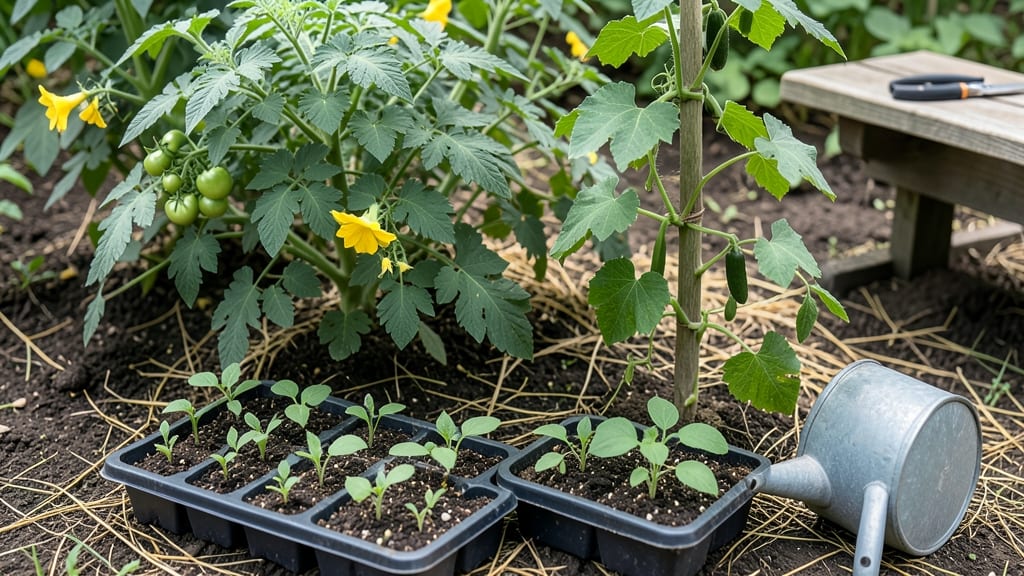
Planting tomatoes and cucumbers at the right time ensures a thriving harvest—these heat-loving plants need warm soil and frost-free skies to take off.
Picture this: you’ve spent weeks nurturing seedlings, only to watch them wilt under a surprise frost or bolt in scorching summer heat. Timing isn’t just about avoiding disaster—it’s about unlocking the best flavor, size, and yield for your 🍅 and cucumber crops.
From USDA Zone 3’s chilly springs to Zone 11’s early starts, the ideal window shifts dramatically. Soil temperature, frost dates, and even your local microclimate play a role—so whether you’re direct-sowing or transplanting, knowing when to put them in the ground makes all the difference.
In this guide, I’ll break down the exact planting windows for your region, plus pro tips to stretch the season and protect your plants from heat stress or late frosts. Ready to grow like a local?
USDA zone planting calendar for tomatoes and cucumbers: heat tolerance by region
Timing your tomato and cucumber planting is critical—these heat-loving plants need warm soil (60°F+) and consistent temperatures to thrive. Plant too early, and late frosts will kill delicate seedlings. Plant too late, and summer heat can stress plants before they produce.
Your USDA zone determines the perfect window, but even within zones, microclimates can shift ideal timing by weeks.
Most gardeners start tomatoes indoors 6-8 weeks before the last frost date, then transplant after soil warms. Cucumbers, being more frost-sensitive, often go directly into warm soil once nighttime temps stay above 55°F.
Southern zones (8-11) can plant as early as February-March, while northern zones (3-5) may wait until late May-June. Let’s break it down by zone to avoid heat stress and maximize yields.
In Zones 3-4, where winters are harsh, I recommend starting tomato seeds indoors in late March using grow lights. Transplant after Memorial Day when soil reaches 60°F.
For cucumbers, wait until mid-June to avoid cold soil, which stunts growth. Use black plastic mulch to warm soil faster and row covers for early protection.
Gardeners in Zones 5-6 have a slightly longer window but still face late spring frosts. I plant tomato seedlings in early May, hardening them off first. For cucumbers, I opt for heat-tolerant varieties like 'Straight Eight' and sow directly after Mother’s Day.
If nights dip below 50°F, cover plants with frost blankets until soil warms.
In Zones 7-8, the key is avoiding summer heat stress. I plant tomatoes in late April and cucumbers in early May, choosing early-maturing varieties like 'Celebrity' tomatoes or 'Marketmore' cucumbers.
Succession planting every 2 weeks ensures a continuous harvest before July heat sets in. Drip irrigation helps maintain consistent moisture during dry spells.
Southern zones (9-11) offer year-round growing, but heat tolerance becomes the challenge. I plant spring crops in February-March and fall crops in August-September to escape peak summer heat.
Varieties like 'Heatmaster' tomatoes or 'Lemon cucumbers' handle 90°F+ temps better. Shade cloth (30-50%) protects leaves from sun scorch, and mulching retains soil moisture.
For container gardening, adjust timing by 1-2 weeks earlier since pots warm faster. In high-altitude areas (e.g., Denver at 5,280 ft), plant 2-3 weeks later than zone guidelines—cooler temps delay soil warming. Always check your local frost dates and monitor soil temperature with a thermometer for accuracy.
Pro tip: Use biodegradable plant collars to create micro-warmth zones for seeds, speeding up germination in cooler zones. And
How to adjust planting times for your local microclimate: sunlight, wind, and soil factors
Your USDA zone gives you a starting point, but microclimates—like urban heat islands, coastal breezes, or high-altitude chill—can shift planting times by weeks. For tomatoes and cucumbers, these local factors determine whether your plants thrive or struggle.
Let’s break down how to fine-tune your schedule for urban gardens, coastal regions, high-altitude areas, and container growing.
First, observe your garden’s sunlight patterns. Tomatoes and cucumbers need 6-8 hours of direct sun, but urban buildings or tall trees can cast unexpected shadows. Use a sunlight tracker for a week to map your garden’s sun exposure.
If your spot gets partial shade after noon, delay planting by 2-3 weeks to avoid heat stress during peak summer hours.
Next, consider wind exposure, especially in coastal or open areas. Strong winds dry out soil and damage young plants. If your garden is windy, opt for wind-resistant varieties like ‘Mountain Merit’ tomatoes or ‘Straight Eight’ cucumbers.
Planting near a windbreak—like a fence or hedge—can also protect your crops and extend your planting window by 1-2 weeks.
Soil temperature is another critical factor. Tomatoes and cucumbers need soil that’s at least 60°F (15°C) to germinate. In high-altitude areas, cooler nights can delay soil warming by 2-4 weeks.
Use a soil thermometer to check temperatures before planting. If your soil is too cold, try black plastic mulch or row covers to warm it faster.
Even if your last frost date is in mid-April, a late frost can wipe out young plants. Tomatoes and cucumbers are frost-sensitive—32°F (0°C) or below will kill them. For coastal regions, cold ocean currents can delay spring warming, so wait until May 1 or later.
In urban areas, concrete absorbs heat during the day but radiates it at night, creating frost pockets. Use row covers or cold frames for an extra 2-4 weeks of protection.
For container growing, timing shifts even more. Pots heat up faster in sun and dry out quicker, so start seedlings indoors 4-6 weeks earlier than your outdoor schedule. Use heat-resistant containers (like fabric grow bags) and place them in partial shade during the hottest afternoon hours.
If your balcony faces west, delay planting until late May to avoid scorching.
Extend your growing season with mulch and row covers. A 3-inch layer of straw mulch keeps soil cool and moist, letting you plant 2 weeks earlier in spring and 1 week later in fall.
Row covers raise soil temperatures by 5-10°F (3-6°C), helping cucumbers germinate in cooler microclimates. For high-altitude gardens, combine row covers with black plastic mulch to create a mini greenhouse effect.
Finally, adjust your harvest timing based on local conditions. In coastal climates, cooler summers mean slower growth—expect 10-15% longer maturity times. In urban heat islands, plants may bolt (flower too early) if stressed. Monitor your plants closely and use shade cloth (30-50%) during heatwaves to preserve fruit quality.