
Picking
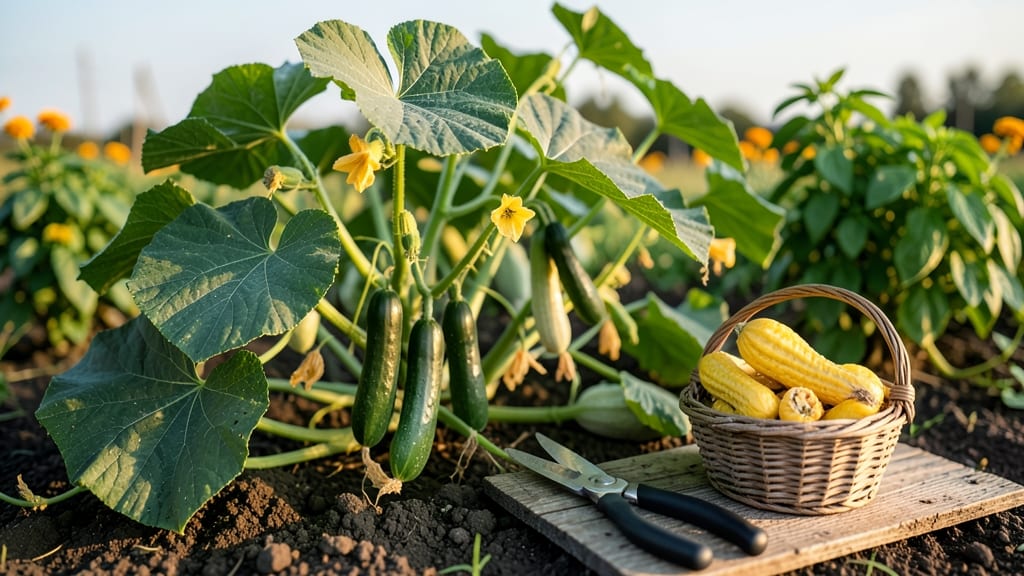
When dealing with oversized cucumbers, your best options are pickling, fermenting, or making cucumber relish, all of which transform their tough texture into something delicious. Skip thinly slicing them for salads—their size makes them better suited for hearty dishes like soups or stir-fries where you can remove the thick skin first.
Oversized cucumbers often get overlooked because their thick skins and large seeds make them less ideal for fresh eating.
But these same characteristics actually make them perfect for processes that break down their structure—like fermentation or pickling. 🌱 The acidity and salt in brines soften the flesh and mellow the bitterness, creating a tender, flavorful result.
For example, a classic dill pickle transforms a tough cucumber into a crisp, tangy snack that keeps for months. Even cucumber relish, with its chunky texture, works beautifully with larger cucumbers since you're blending them with other ingredients anyway.
If you're not ready to pickle, try fermenting them whole or in thick spears. The natural probiotics created during fermentation not only preserve the cucumbers but also enhance their probiotic benefits.
Plus, the longer fermentation process gives you more control over the final flavor—whether you prefer a sweet, tangy, or garlicky profile. For quick preservation, try quick-pickling them in vinegar or lemon juice for a refreshing side dish that's ready in under an hour.
💡 In This Article
- Why Oversized Cucumbers Work Best in Fermented Recipes
- Best Pickling and Preservation Recipes for Large Cucumbers
Why oversized cucumbers work best in fermented recipes
Fermentation transforms oversized cucumbers by breaking down their tough cell walls through a natural process called osmosis. When you submerge cucumbers in a saltwater brine, the salt draws out moisture while allowing beneficial bacteria to multiply on the surface.
This creates lactic acid, which softens the flesh and mellows the bitterness that often plagues larger cucumbers. The result? A tender, probiotic-rich vegetable that's far more palatable than its fresh counterpart.
Here's the science: the thick skins of oversized cucumbers contain higher concentrations of lignin, a complex polymer that makes them fibrous. During fermentation, lactic acid bacteria (like Lactobacillus) consume sugars in the cucumber and produce lactic acid, which gently dissolves these tough structures over 5-14 days.
The acidity also preserves the cucumbers naturally, preventing spoilage. For comparison, a fresh cucumber's texture relies on intact cell walls that remain crisp but can become watery when sliced thin.
Texture changes dramatically too. A freshly cut oversized cucumber might feel gummy or seedy, but after fermentation, it develops a satisfying crunch with a slightly chewy bite. The seeds soften just enough to be pleasant, while the flesh becomes uniformly tender.
This transformation works especially well in dill pickles or kimchi-style fermentations, where the spices and herbs complement the cucumber's newfound tenderness. The longer you ferment, the more complex the flavor becomes—think from tart to tangy to almost umami-rich.
What most people don't realize is how the fermentation process actually enhances the cucumber's natural sweetness. The breakdown of complex sugars during fermentation concentrates the remaining natural sugars, making the final product taste richer.
For example, a 2-inch diameter cucumber fermented for 10 days will taste significantly sweeter than its fresh equivalent. This is why fermented cucumbers often taste better than fresh ones, despite starting with the same ingredient.
Consider these key factors when fermenting:
- Salt concentration: Use 2-3% salt brine (20-30g salt per liter of water) to prevent mold while encouraging good bacteria growth
- Temperature control: Keep between 60-75°F—warmer temps speed fermentation but risk mold; cooler temps slow it down
- Weighting method: Use a fermentation weight or glass jar to keep cucumbers submerged in brine, preventing mold growth on exposed surfaces
The beauty of fermentation is how it turns culinary challenges into opportunities. What might seem like a flaw in fresh cucumbers—their size, thickness, or bitterness—becomes an asset when you understand how fermentation works its magic.
The process doesn't just preserve; it upgrades the cucumber into something entirely new and delicious. 🌟