
Picking
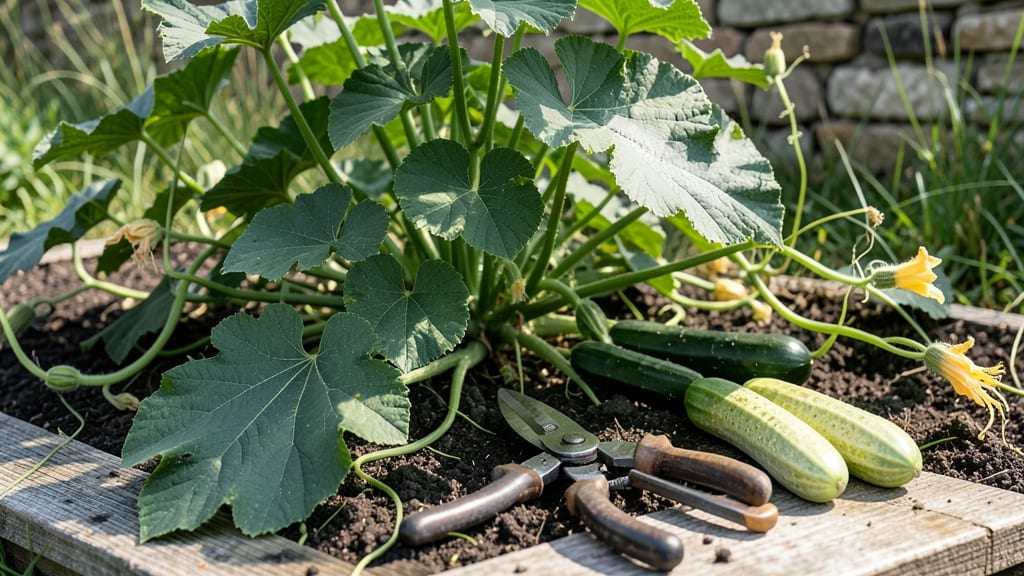
Cucurbitacins are the main culprits behind that unpleasant bite, acting as the plant's defense mechanism against pests. 🌱 When cucumbers face extreme heat, drought, or poor soil conditions, they produce more of these compounds to survive.
Younger plants or those grown in high-stress environments are especially prone to developing bitterness. Interestingly, some heirloom varieties contain naturally higher levels of these compounds, which is why they often have stronger flavors.
Beyond the science, there are practical steps you can take to avoid bitter cucumbers in your garden. Choosing heat-tolerant varieties like 'Straight Eight' or 'Marketmore' can make a big difference, as can consistent watering and proper soil nutrition.
Harvesting cucumbers at the right size—before they reach full maturity—also helps maintain that crisp, sweet flavor we all love.
💡 In This Article
- Cucurbitacin Compounds: The Science Behind Bitter Cucumbers
- Fixing and Preventing Bitter Cucumber Taste in Gardens
Cucurbitacin compounds: the science behind bitter cucumbers
Cucurbitacins are a group of bitter-tasting compounds naturally produced by cucumber plants as a defense mechanism against pests and herbivores. These chemicals belong to the terpenoid family and are synthesized in the plant's leaves, stems, and fruits.
When cucumbers experience stress—like extreme heat, drought, or poor soil conditions—they ramp up cucurbitacin production to survive. 🔥 This is why younger plants or those grown in high-stress environments often develop a bitter flavor before they even reach maturity.
The bitterness threshold varies significantly between cucumber varieties. Some heirloom types, like 'Armenian' or 'Lemon' cucumbers, contain naturally higher levels of cucurbitacins, which is why they often have a more intense flavor.
For comparison, commercial slicing cucumbers like 'Straight Eight' are bred to have lower cucurbitacin levels, making them milder and sweeter. The compounds are most concentrated in the skin and seeds, which is why peeling and deseeding can dramatically reduce bitterness in affected fruits.
Temperature plays a critical role in cucurbitacin production. Studies show that cucumbers grown under 90°F+ temperatures produce up to 30% more of these compounds compared to those grown in cooler conditions (70-80°F). This is why late-summer cucumbers often taste bitter—the plants are under heat stress.
Light exposure also matters: cucumbers grown in full sun with minimal shade tend to develop more cucurbitacins than those with partial shade coverage. 💛
What's fascinating is how these compounds work at a molecular level. Cucurbitacins bind to specific taste receptors in our mouths, particularly the TAS2R bitter receptors, which are highly sensitive to these terpenoid structures.
The more cucurbitacins present, the stronger the bitter signal our brain receives. This is why even small amounts can completely overpower a cucumber's natural sweetness, making it inedible for some people.
Interestingly, some cultures actually seek out bitter cucumbers. In parts of Asia, varieties like 'Bitter Melon' (which is technically a cucumber relative) are prized for their health benefits and intense flavor.
The bitterness isn't just random—it's an evolutionary adaptation that makes the plant less appealing to pests while potentially offering medicinal properties to humans. However, for most gardeners, the goal is to minimize these compounds for a pleasant eating experience.
Understanding this science helps explain why some cucumbers taste like they've been dipped in soap while others are refreshingly sweet. The key is managing environmental conditions to keep cucurbitacin levels in check.
Proper irrigation, balanced soil nutrients, and shade cloth during heatwaves can all help reduce bitterness in homegrown cucumbers. ✨