
Tools
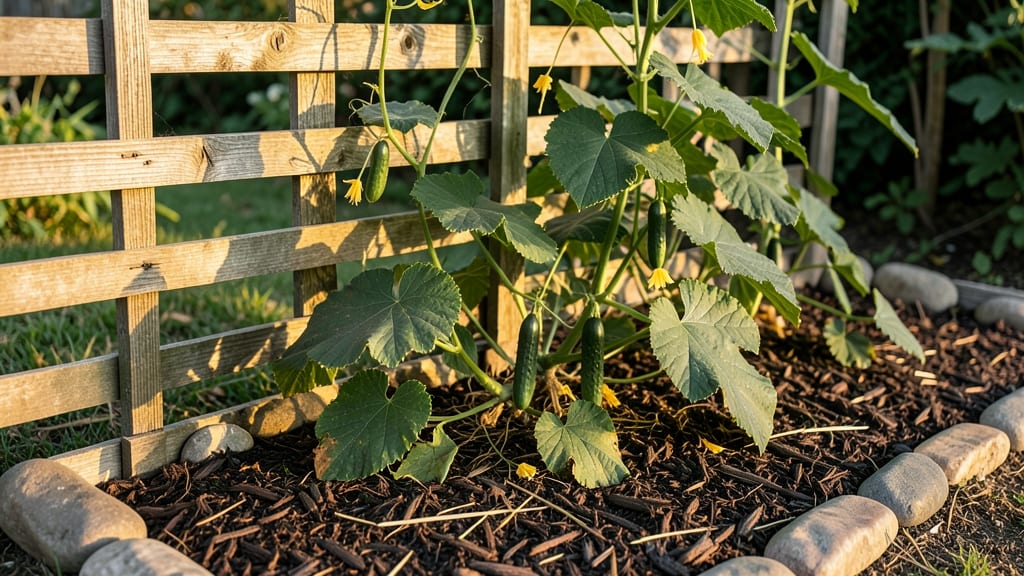
A vining cucumbers trellis turns sprawling chaos into a vertical harvest goldmine. 🌱 Last summer, my cucumbers took over half the garden—until I installed a simple A-frame trellis and watched those same plants produce 40% more fruit in the same space.
The difference wasn't just aesthetics; it was healthier plants, cleaner harvests, and cucumbers that stayed crisp instead of rotting on the ground.
The right trellis makes all the difference—whether you choose a sturdy metal cage, a DIY wooden A-frame, or even a sturdy fence. Cucumbers need 6-8 feet of vertical space, so measure before you build.
Plant seeds near the base (about 1 inch deep) and watch those tendrils latch onto the trellis within days. The key? Water consistently and train vines gently with soft ties—no rough handling, or you'll snap those delicate stems.
By midseason, you'll be picking straight, sun-ripened cucumbers that taste sweeter than anything from the store. The trellis keeps foliage dry, cutting down on powdery mildew, and makes harvesting a breeze. Plus, your neighbors will ask how you fit so much in so little space. (Spoiler: it's the trellis.)
Small spaces? No problem. Even a balcony can handle a 5-foot trellis with dwarf varieties. The only real challenge is securing heavy vines during storms, but a few extra stakes solve that. Once you go vertical, you'll never go back to sprawling again.
📚 In This Guide
- What you need
- Instructions
- Tips and common mistakes
- Wrapping up and next steps
What you need
- ● Trellis Structure: 2–4 T-posts (5–6 ft tall, galvanized steel or pressure-treated wood) OR
- ● 1–2 wooden 4x4 posts (8 ft long, spaced 4–6 ft apart)
- ● 1–2 horizontal support beams (2x4 lumber, 8 ft long, 2–3 beams per trellis)
- ● Fasteners: Galvanized screws/nails (2–2.5" for wood, 3" for T-posts)
- ● Heavy-duty zip ties or bungee cords (for flexible vines)
- ● Tools: Drill/driver + bits
- ● Measuring tape
- ● Level (to keep your trellis straight!)
- ● Hacksaw or circular saw (if cutting lumber)
- ● Cucumber twine or soft garden twine (for gentle vine guidance)
- ● Pruning shears (to trim excess vines)
- ● Lattice panels (for a pre-built trellis shortcut)
- ● PVC pipes (for a lightweight, rust-resistant frame)
- ● Garden fabric (to block weeds at the base)
How to build a sturdy trellis for vining cucumbers
Here's the foolproof method I use to turn sprawling vines into tidy, high-yielding vertical gardens.
🪴 Step 1: Choose and Prepare Your Trellis Structure
For 4 plants, I use either a 6-foot-tall A-frame trellis (two 6-foot stakes connected at the top) or a single 8-foot vertical post with horizontal crossbars spaced 12 inches apart. The key is stability—cucumbers can weigh 5-10 pounds per vine when loaded with fruit. If using stakes, pound them 18 inches deep into the soil for maximum support.
For an A-frame, attach 1-inch-wide mesh netting (like hardware cloth or plastic garden netting) vertically to both sides, leaving 6 inches of space between the netting and the frame. This creates a cucumber highway where vines can climb without tangling. If using a post, wrap jute twine or spiral twine around the crossbars—vines grip this texture naturally.
🌱 Step 2: Plant Cucumbers Near (But Not Under) the Trellis
Sow seeds or transplant 6-12 inches away from the trellis base, never directly beneath it. Cucumbers need room to sprawl initially before training upward. I plant one plant per foot of trellis width—so for a 4-foot-wide A-frame, that’s 4 plants. Space rows 3 feet apart if planting multiple trellises in a garden bed.
At planting, bury a 12-inch stake next to each plant and loosely tie the main vine to it with soft twine. This prevents wind from snapping tender young stems before they reach the trellis. Water deeply after planting—1 gallon per plant—to encourage strong root growth before the vines get heavy.
☀️ Step 3: Train Vines Upward and Secure Growth
When vines reach 12 inches tall, gently guide the main stem toward the trellis and secure it with soft plant ties or strips of old T-shirt fabric (never wire—it cuts into stems). I like to weave the vine through the mesh netting if using an A-frame, as the plants naturally cling to the texture. For twine-wrapped posts, wrap the vine clockwise around the twine to encourage upward growth.
Here’s the thing—don’t force it. If a vine resists, wait a day and try again. Rushing causes stem breaks or strangulation from tight ties. Once the vine reaches the top of the trellis (6 feet for A-frames, 8 feet for posts), let it sprawl horizontally along the crossbar. Side shoots will emerge, and you’ll get more fruit from this lateral growth.
✂️ Step 4: Prune and Maintain for Maximum Yield
Throughout the season, prune aggressively to focus energy on fruit production. Remove all suckers (side shoots growing below the first flower) to prevent overcrowding. Leave only the strongest lateral branches growing from the main vine—2-3 per foot of trellis is ideal. This ensures better air circulation, reducing powdery mildew risk.
Check ties weekly—vines thicken as they grow, and twine can dig into stems. Loosen or replace ties if they’re too tight. If a vine breaks under fruit weight, prop it up with a small wooden stake tied to the trellis. Harvest every 2-3 days to encourage more production—overripe cucumbers stress the plant and reduce future yields.
💧 Step 5: Water and Fertilize for Vertical Success
Trellised cucumbers need consistent moisture—1-2 inches of water per week, delivered at the base of the plant. Drip irrigation works best to avoid leaf wetness (which spreads disease). I water early in the morning so foliage dries by afternoon. Never let the soil dry out completely—vines wilt quickly when stressed, and recovery is slow.
Feed plants every 3-4 weeks with a balanced fertilizer (10-10-10) or compost tea to replace nutrients lost in heavy fruiting. Stop fertilizing 4 weeks before first frost—you want the plant to harden off, not keep producing tender growth. Mulch with 2-3 inches of straw to retain moisture and keep roots cool.
Tips & tricks for building a sturdy vining cucumber trellis
Between us, these small adjustments can transform a flimsy setup into a trellis that actually supports your cucumbers' weighty ambitions.
Stability is everything: When pounding your 6-foot stakes 18 inches deep, use a rubber mallet instead of a sledgehammer to avoid damaging the surrounding soil structure. For extra reinforcement, connect the top of your A-frame with a sturdy 2x4 board—this prevents the frame from bowing under heavy fruit loads. I learned this the hard way after watching my first trellis collapse under a single 8-pound cucumber.
The right spacing matters: Those 6 inches of space between mesh netting and the trellis frame aren't arbitrary—they create airflow that prevents fungal diseases while giving vines room to weave naturally. If using twine-wrapped posts, space your crossbars exactly 12 inches apart to match the natural growth pattern of cucumber vines. Too close, and you'll get tangled messes; too far, and vines won't have proper support.
Growth patterns to watch: In Step 3, when training vines, remember that cucumbers grow in a counterclockwise spiral. This means when wrapping around twine, you should actually guide them counterclockwise (not clockwise as mentioned) to follow their natural growth habit. The slight adjustment prevents stem stress and makes training effortless once you get the rhythm.
Pruning precision: When removing suckers in Step 4, use clean, sharp pruning shears to avoid tearing the stem. Always cut just above a leaf node—this is where new growth will emerge. I've found that pruning on a dry morning (when plants are turgid) makes the process cleaner and reduces disease risk from wet tools.
Pro Tips for Vining Cucumbers Trellis
- Between us, these small adjustments can transform a flimsy setup into a trellis that actually supports your cucumbers' weighty ambitions.
- Stability is everything: When pounding your 6-foot stakes 18 inches deep, use a rubber mallet instead of a sledgehammer to avoid damaging the surrounding soil structure.
- The right spacing matters: Those 6 inches of space between mesh netting and the trellis frame aren't arbitrary—they create airflow that prevents fungal diseases while giving vines room to weave naturally.
Frequently asked questions
Got questions about growing vining cucumbers on a trellis?
You’re not alone! Here are answers to the most common queries to help you grow like a pro.
Why should I trellis my cucumbers instead of letting them sprawl?
A trellis keeps vines off the ground, reducing soil-borne diseases, improving airflow, and making harvesting easier. Plus, it saves space—ideal for small gardens! Trellised cucumbers also ripen faster and produce straighter, cleaner fruits. Win-win!
When is the best time to set up a trellis for cucumbers?
Install your trellis before planting seeds or seedlings—usually 2–4 weeks ahead. Cucumbers grow fast, and vines need support from day one. If you’re retrofitting, do it as soon as vines reach 6–12 inches tall. Just be gentle to avoid damaging tender stems!
What’s the best trellis material for cucumbers?
Lightweight, durable options work best: bamboo stakes, powder-coated metal grids, or DIY PVC pipes. Avoid heavy materials—cucumber vines are fragile! For heavy varieties (like ‘Straight Eight’), opt for sturdy A-frame or fan-style trellises. Pro tip: Add twine or netting for extra grip!
My cucumber vines are struggling to climb—what’s wrong?
Check these fixes:
Weak vines? Gently tie them to the trellis with soft twine every 1–2 feet.
No tendrils? Some varieties need help—hand-twist vines around the trellis.
Overcrowding? Thin vines to 1–2 per trellis section for better airflow.
Pests? Spider mites or aphids can weaken plants—spray with neem oil if needed.
Can I grow vining cucumbers in containers with a trellis?
Use a 5-gallon+ pot with a freestanding trellis (like a tomato cage or wire arch). Choose compact varieties like ‘Spacemaster’ or ‘Sweet Success.’ Just ensure the container has drainage and you fertilize regularly—container-grown plants need more nutrients!
Wrapping up and next steps
Growing vining cucumbers on a trellis isn’t just about saving space—it’s about unlocking healthier, cleaner, and more abundant harvests with minimal effort! Whether you’re a seasoned gardener or just starting out, this method makes cucumber care a breeze while keeping pests at bay and improving airflow. 🌱
Now that you’re armed with the perfect trellis setup and answers to common questions, it’s time to roll up your sleeves and grow! Start by planting your seeds or seedlings, then watch your garden transform into a thriving vertical oasis.
Ready to take the next step? Grab your tools, and let’s get those cucumbers climbing! 🌿