
Companion Plants
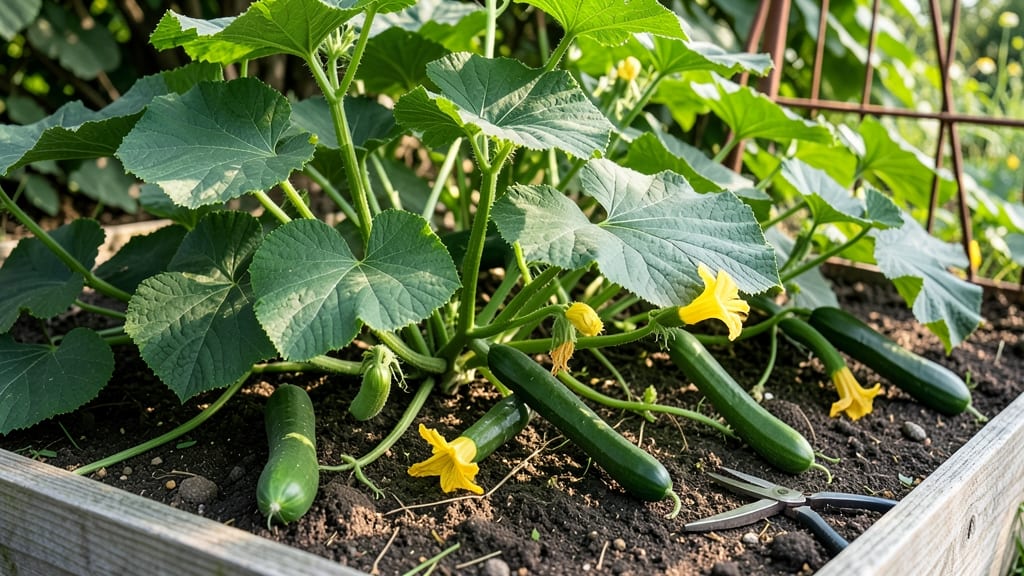
Cucumber plants thrive best when kept within a precise temperature range 🥒 — too hot or too cold, and your harvest could be at risk before it even starts.
Struggling to grow cucumbers that thrive instead of wilt? Temperature is the hidden factor that can make or break your harvest—get it wrong, and your plants will suffer from poor growth, bitter fruit, or even death.
From germination to fruiting, each stage of a cucumber’s life has its own ideal temperature needs. For example, seeds need warmth to sprout, while flowering and fruiting demand cooler conditions to set fruit properly.
In this guide, I’ll break down the exact temperature ranges for every growth stage, plus practical tips to protect your plants from heat stress or chilly nights—so you can enjoy a bountiful harvest all season long.
Optimal temperature ranges for cucumber plant growth stages
Cucumbers are heat-loving plants, but they’re also sensitive to temperature swings. Getting the temperature right at each growth stage ensures strong vines, abundant flowers, and sweet, crisp fruit. Too hot or cold, and you’ll end up with bitter cucumbers, poor yields, or even plant death.
Let’s break down the ideal temperature ranges for every phase of your cucumber’s life cycle.
First, cucumbers need warm soil to germinate—cold soil can leave seeds sitting dormant for weeks. Once sprouted, they thrive in moderate daytime warmth but need cooler nights to set fruit.
Understanding these temperature thresholds helps you adjust your growing conditions for success, whether you’re gardening in a hot desert climate or a cool mountain region.
| Growth Stage | Ideal Day Temp (°F/°C) | Ideal Night Temp (°F/°C) | Critical Thresholds |
|---|---|---|---|
| Germination | 70-90°F (21-32°C) | 60-75°F (15-24°C) | Below 50°F (10°C) = no germination |
| Vegetative Growth | 70-85°F (21-29°C) | 60-70°F (15-21°C) | Below 55°F (13°C) = stunted growth |
| Flowering | 75-85°F (24-29°C) | 65-70°F (18-21°C) | Above 90°F (32°C) = poor pollination |
| Fruiting | 70-80°F (21-27°C) | 60-65°F (15-18°C) | Below 50°F (10°C) = fruit drop |
During germination, cucumbers need soil temperatures between 70-90°F (21-32°C). If your soil is cooler, use black plastic mulch or a seedling heat mat to warm it up.
Once sprouted, vegetative growth thrives at 70-85°F (21-29°C) during the day, but nights should stay above 60°F (15°C) to prevent yellowing leaves.
When cucumbers flower and fruit, they need slightly cooler conditions—75-85°F (24-29°C) by day and 65-70°F (18-21°C) at night. This temperature balance encourages pollination and prevents bitter fruit development. If your garden hits 90°F+ (32°C+) regularly, expect poor fruit set and potential blossom-end rot.
In hot climates, cucumbers can suffer from heat stress, showing symptoms like yellowing leaves, wilting, or sunburned fruit. To combat this, use shade cloth (30-50%) during peak afternoon sun and mulch heavily to keep roots cool.
In cooler regions, extend the season with row covers or choose cold-tolerant varieties like 'Northern Pickling'.
If temperatures drop below 50°F (10°C), cucumbers may stop growing entirely. Young plants are especially vulnerable—use cloches or cold frames to protect seedlings until soil warms.
Even mature plants can drop flowers and fruit if nights dip below 60°F (15°C), so monitor forecasts and plan seasonal adjustments like succession planting.
For container gardening, cucumbers need extra care since pots heat up faster. Choose light-colored containers and place them in partial shade during extreme heat. In greenhouses, maintain temperatures between 70-80°F (21-27°C) with ventilation fans and shade curtains to prevent overheating.
Pro tip: Morning watering helps regulate soil temperature, keeping roots cooler in hot weather. Avoid overhead watering at night, as damp leaves can lead to fungal diseases like powdery mildew, which thrives in humid, warm conditions. Instead, water at the base of the plant early in the day.
By mastering these temperature ranges, you’ll set your cucumbers up for strong growth, heavy yields, and delicious harvests. Pay close attention to weather forecasts and adjust your care routine as seasons shift—your plants will thank you with crisp, sweet cucumbers all season long! 🌱🥒
How to protect cucumber plants from heat stress and cold damage
Cucumbers are tropical plants that love warmth but can quickly suffer when temperatures swing too high or too low. Heat stress causes wilting, bitter fruit, and even plant death, while cold damage stunts growth and reduces yields.
The key to a thriving cucumber harvest is maintaining stable conditions—especially in USDA Zones 6-10, where extreme temperatures are common.
Even in moderate climates, afternoon sun can push soil temps above 90°F (32°C), while evening breezes can drop nighttime temps below 55°F (13°C). Without protection, your plants will struggle to produce the sweet, crisp cucumbers you crave.
Let’s explore practical ways to shield your cucumbers from temperature extremes, whether you're dealing with scorching summers or chilly springs.
⚠️ callout warning
- Danger Zone: Below 50°F (10°C) or above 95°F (35°C) for prolonged periods.
- Optimal Daytime: 70-85°F (21-29°C) for flowering and fruiting.
- Nighttime Minimum: 60°F (15°C) to prevent stunted growth.
One of the simplest ways to protect cucumbers from heat stress is by using shade cloth. A 30-50% shade cloth reduces soil and air temperatures by up to 10°F (5°C)
For example, in Zone 9, where summer temps often exceed 100°F (38°C), I’ve seen shade cloth extend the harvest season by 3-4 weeks. For cooler climates, row covers or low tunnels can raise soil temperatures by 5-10°F (3-6°C) during the day and trap heat at night. In Zone 5, where frost can linger until May, I use floating row covers until the soil warms to 60°F (15°C)
This gives young plants a head start and protects them from late frosts. Mulching is another game-changer for temperature control. A 3-4 inch layer of straw or wood chips keeps soil cooler in summer and warmer in spring. In my garden, mulched cucumber beds stay 5-10°F (3-6°C) cooler than unmulched ones on 90°F (32°C) days. Plus, it retains moisture, reducing the need for frequent watering. If you’re growing cucumbers in containers, move them to a shaded spot during peak afternoon heat. I’ve had success with self-watering pots placed under a patio or deck, where temps stay 10-15°F (5-8°C) cooler than in full sun. For ground plants, train vines to grow along a trellis near a north-facing wall to provide natural shade. Finally, adjust your planting timeline based on your climate. In hot regions, sow seeds in early spring or late summer to avoid peak heat. In cooler areas, opt for cold-hardy varieties like ‘Northern Pickling’ and use black plastic mulch to warm the soil faster. With these strategies, you’ll keep your cucumbers happy and productive—no matter the weather! 🥒