
Picking
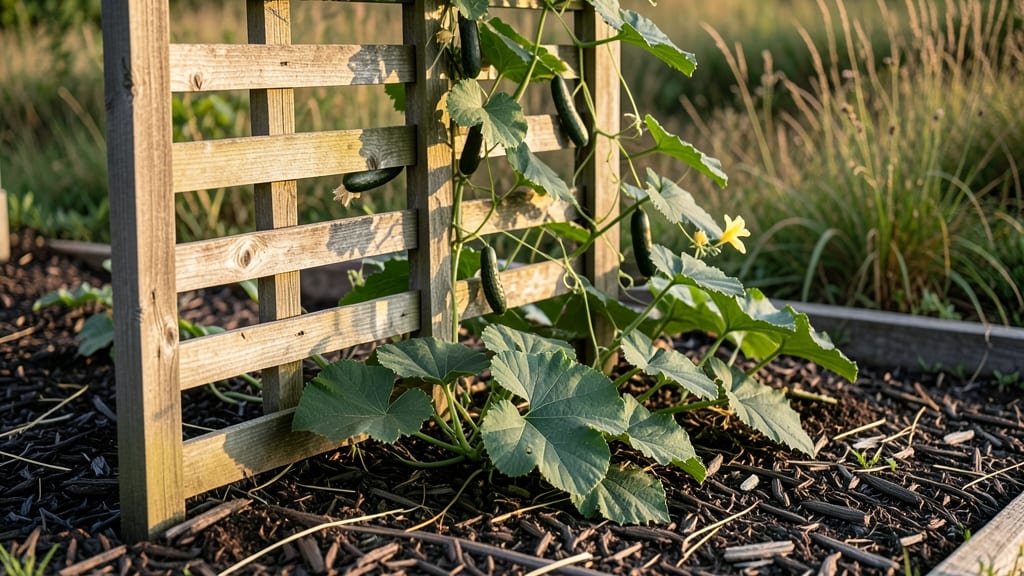
Deciding between squash and cucumbers can make or break your garden's productivity. 🌱 Both are summer staples, but their growing habits couldn't be more different—one sprawls like a lazy afternoon, while the other climbs like a determined morning.
I've grown both for years, and the right choice depends on your space, sunlight, and what you actually want to eat (not just what looks pretty). Squash—whether zucchini, butternut, or pumpkin—thrives in wide-open spaces, demanding 12+ hours of sun and plenty of elbow room (think 3–5 feet between plants).
The soil? Rich, well-draining, and amended with compost—because nothing frustrates a gardener like a squash that refuses to set fruit. Pests like squash bugs and powdery mildew are the arch-nemeses here, so keep an eye out for those yellow eggs on the undersides of leaves.
Cucumbers, on the other hand, are the low-maintenance climbers of the garden. They’ll happily twine up a trellis (saving you space) or sprawl across the ground if you’re lazy like me.
They need 6–8 hours of sun and soil that drains well but stays moist—think of them as the divas who need consistent watering but hate soggy roots. Beetles and cucumber mosaic virus are their biggest threats, but a row cover early in the season can work wonders.
Here’s the real question: Do you want big, bold harvests (squash) or quick, crunchy rewards (cucumbers)? Squash gives you weeks of zucchini or a single showstopper pumpkin, while cucumbers deliver daily snacks straight from the vine. Pick based on your goals—space, time, or table.
Either way, your garden (and your dinner plate) will thank you.
The first product explained
Meet the Butternut Squash—your garden’s golden ticket to versatility, nutrition, and flavor! 🍂🥜 This beloved winter squash isn’t just a star in soups and roasts; it’s a powerhouse packed with vitamin A, fiber, and antioxidants that’ll make your meals (and your immune system) cheer.
Whether you’re a seasoned gardener or a curious beginner, this squash is a must-have for its hardiness, productivity, and culinary magic.
📏 Specs & Features
- Type: Winter squash (hard-shelled, stores for months!)
- Maturity: 85–100 days (ready to harvest when skin turns tough and color deepens).
- Size: 1–4 lbs, with a classic bulbous shape and sweet, nutty flesh.
- Growth Habit: Vining (needs 3–5 feet of space) or bush varieties (compact, ideal for small gardens).
- Color: Vibrant orange (some heirloom varieties boast green or pear shapes!).
- Flavor: Creamy, slightly sweet, and rich—perfect for roasting, pureeing, or stuffing.
- Storage: Thrives in a cool, dark place for 2+ months (yes, it’s a pantry hero!).
🎯 Target Users
This squash is a home cook’s dream and a gardener’s favorite for these reasons:
- Health-conscious chefs: Loaded with vitamin C (34% DV) and potassium, it’s a nutrient-dense sidekick for any meal.
- Small-space gardeners: Bush varieties like ‘Waltham’ fit snugly in containers or raised beds.
- Meal preppers: Freezes and stores beautifully—batch-cook soups or muffins for the week!
- Kids & picky eaters: Its mild sweetness makes it a sneaky veggie in pancakes, pasta, or even ice cream!
- Organic growers: Resistant to many pests and diseases, reducing the need for sprays.
💰 Price Point & Value
Butternut squash is a steal in both gardens and grocery stores:
- Seeds: $2–$5 per packet (organic or heirloom varieties may cost slightly more).
- Seedlings: $3–$8 each (great for beginners who want a head start!).
- Market Price (fresh): $1–$3 per squash (organic or specialty varieties can reach $4–$6).
- Cost per Serving: Pennies on the dollar—growing your own yields 10x the savings compared to store-bought.
Pro Tip: 💡 Plant seeds after the last frost in well-draining soil with full sun (6+ hours/day). For extra sweetness, let squashes mature fully on the vine—no rushing! 🌱
The second product explained
Now, let’s dive into the refreshing and versatile cucumber—your garden’s cool, crisp superstar! 🥒✨ Whether you're a seasoned gardener or just starting out, cucumbers bring a unique set of benefits to your plot, from their rapid growth to their delicious, hydrating rewards.
🌱 Key Specs & Features
Cucumbers are the fast food of the gardening world—ready to harvest in as little as 50-70 days! Here’s what makes them shine:
- Growth Habit: Vining (can sprawl 6-12 feet) or bush varieties (compact, ~2 feet tall). Perfect for trellises or small spaces!
- Climate: Thrives in warm weather (70-90°F), but tender seedlings need protection from frost.
- Soil Needs: Well-draining, rich in organic matter. pH 6.0-6.8 keeps them happy.
- Watering: Consistent moisture is key—dry spells lead to bitter fruit. Aim for 1-2 inches per week.
- Sunlight: Full sun (6-8 hours daily) for maximum yield.
- Harvest: Pick when firm and bright green (or variegated, depending on variety). Overripe cucumbers turn yellow and seedy!
👩🌾 Who’s It For?
Cucumbers are the crowd-pleaser of the garden, ideal for:
- 🍉 Beginner gardeners: Fast-growing, forgiving, and hard to kill.
- 🥒 Small-space growers: Bush varieties or trellised vines save room.
- 🍽️ Health-conscious cooks: Low-calorie, hydrating, and packed with vitamin K and potassium.
- 🌿 Eco-friendly enthusiasts: Minimal pesticide needs (just watch for cucumber beetles!).
💰 Price Point & Value
Cucumbers are a budget-friendly investment with high returns:
- Seeds: $2–$5 per packet (organic or heirloom varieties cost a bit more).
- Plants: $3–$6 each (if buying starts).
- Yield: One plant can produce 10–20 cucumbers per season—that’s $15–$30+ worth of fresh produce for the price of a few seeds!
- Bonus: Save seeds from your best cucumbers for next year’s harvest!
💡 Pro Tips for Success
- 🌡️ Start indoors 3–4 weeks before the last frost for a head start.
- ✨ Use mulch to retain moisture and suppress weeds.
- 🎯 Prune vines to improve air circulation and fruit quality.
- 🍽️ Harvest frequently to encourage more production!
Head-to-head comparison
Ready to dive into the squash vs. cucumber showdown? Whether you're a seasoned gardener or just starting out, understanding the key differences between these two veggies will help you make the best choices for your garden.
Below, we break down their features in a side-by-side comparison to help you decide which one (or both!) will thrive in your space. 🌱🍆
🌱 Growth Habits & Space Requirements
If space is a limiting factor in your garden, this is where squash and cucumbers really diverge. Here’s how they stack up:
| Factor | Squash | Cucumber |
|---|---|---|
| Vine Type | Bush or vining (depending on variety). Some squash, like butternut, grow as compact bushes, while others (like pumpkins) sprawl widely. | Vining plants. Most cucumbers are aggressive climbers, requiring trellises or stakes to grow vertically. |
| Space Needs | Moderate to large. Bush varieties need about 3–4 feet of space, while vining types can spread 10+ feet. | Moderate to large, but vertical. With a trellis, they can thrive in tight spaces (3–6 feet tall). Without one, they’ll sprawl 6–10 feet. |
| Best for Containers? | ❌ Not ideal. Most squash need deep soil and room to spread. | ✅ Yes! Compact bush varieties (like 'Bush Champion') work well in large containers (5+ gallons). |
| Companion Planting | Loves marigolds, nasturtiums, and beans. Avoid planting near potatoes or aromatic herbs. | Thrives near beans, peas, and radishes. Avoid planting near potatoes or aromatics like dill. |
Pro Tip: 💡 If you're short on space, cucumbers are the clear winner for vertical gardening. Squash, on the other hand, can be a statement piece in larger gardens or raised beds.
🌿 Planting & Care Requirements
Both squash and cucumbers are relatively low-maintenance, but they do have distinct needs when it comes to soil, sunlight, and water. Here’s what you need to know:
| Factor | Squash | Cucumber |
|---|---|---|
| Sunlight Needs | Full sun (6–8 hours daily). Tolerates partial shade but may produce fewer fruits. | Full sun (6–8 hours daily). Can handle light shade but may yield smaller or fewer cucumbers. |
| Soil Type | Well-draining, rich in organic matter. Prefers slightly acidic to neutral soil (pH 6.0–7.0). | Well-draining, fertile soil. Prefers neutral to slightly alkaline soil (pH 6.0–6.8). |
| Watering Needs | Consistent moisture, especially during flowering and fruiting. Avoid wetting leaves to prevent disease. | Regular watering (1–2 inches per week). Keep soil evenly moist, but avoid overwatering to prevent blossom end rot. |
| Fertilizer | High in nitrogen early in the season, then switch to phosphorus and potassium for fruiting. Compost or balanced fertilizer (10-10-10) works well. | Balanced fertilizer (like 5-5-5) at planting, then side-dress with nitrogen-rich fertilizer (like fish emulsion) when vines start to run. |
| Pest & Disease Risks | Susceptible to squash bugs, cucumber beetles, and powdery mildew. Use row covers early in the season. | Prone to cucumber beetles, powdery mildew, and bacterial wilt. Rotate crops yearly and use trellises for better airflow. |
Pro Tip: 🔥 For both plants, mulching is a game-changer! It retains moisture, suppresses weeds, and keeps fruits clean and off the ground. Use straw or grass clippings for best results.
🍆🥒 Fruit Characteristics & Harvesting
This is where the real differences shine—especially if you’re picking these veggies for specific culinary uses. Here’s how squash and cucumbers compare:
| Factor | Squash | Cucumber |
|---|---|---|
| Fruit Shape & Size | Highly variable! Round (like zucchini), oblong (butternut), or giant (like pumpkins). Can range from 6 inches to over 50 pounds. | Long and cylindrical, typically 6–12 inches long. Some varieties are mini (like 'Bush Pickle'), while others are giant (like 'Long English'). |
| Skin Texture | Thick and tough (especially in mature varieties). Some, like zucchini, have smooth skin, while others (like acorn squash) have ribbed or bumpy skin. | Thin and tender when young. Can be smooth, bumpy, or waxy, depending on the variety. |
| Flesh Texture | Dense and starchy (great for roasting or baking). Some varieties, like spaghetti squash, have stringy flesh when cooked. | Crisp and refreshing when fresh. Becomes seedy and watery if left too long on the vine. |
| Flavor Profile | Sweet, nutty, or earthy, depending on the variety. Winter squash (like butternut) is sweeter and richer. | Mild, slightly sweet, and refreshing. Some varieties (like lemon cucumbers) have a tangy kick. |
| Best Time to Harvest | When firm and fully colored. Summer squash (like zucchini) is best picked young (6–8 inches). Winter squash is ready when the rind hardens. | When firm and bright green (or the color of your chosen variety). Pick frequently to encourage more production! |
| Shelf Life | Long! Winter squash can last months if stored in a cool, dry place. Summer squash lasts about 1–2 weeks. | Short-lived. Fresh cucumbers last about 1 week in the fridge. Pickling or fermenting extends their shelf life. |
Pro Tip: ✨ For cucumbers, harvesting early and often is key to staying ahead of pests and diseases. Squash, on the other hand, can be left on the vine longer—just keep an eye out for squash bugs!
💰 <
Which one should you choose?
So, which one should you grow in your garden? The answer depends on your goals, space, and culinary preferences! Here’s a quick verdict to help you decide:
🌱 Pick Squash if...
- You love hearty, versatile flavors: Squash shines in soups, roasts, and even desserts! 🍽️ Its dense texture and sweet taste make it a kitchen staple.
- You have space to spare: Vines can spread wide, so allocate plenty of room (or use trellises for bush varieties).
- You want year-round storage: Winter squash (like butternut or acorn) stores for months in cool, dry conditions. 🥔
- You’re a fan of nutrition-packed sides: High in vitamin A and fiber—great for hearty meals! 📊
🥒 Pick Cucumber if...
- You crave fresh, crunchy snacks: Perfect for salads, sandwiches, or cooling gazpacho! 🥗 Its mild flavor pairs with almost anything.
- You’re short on space: Compact plants thrive in containers or small gardens—ideal for balconies or urban plots. 🏡
- You want a quick harvest: Ready to pick in as little as 6-8 weeks (vs. squash’s 2-3 months). ⏰
- You prioritize hydration and low calories: Over 95% water—great for hot days or detox-focused diets! 💦
🌿 Why Not Both?
If you’re still torn, plant both! They’re great companions in the garden (cucumbers deter squash pests) and offer complementary flavors. Start with 1-2 squash plants (to avoid overproduction) and 3-4 cucumber plants for a balanced harvest.
Pro tip: 💡 Try zucchini (fast-growing) and Persian cucumbers (sweet and seedless) for a winning combo!
Final Tip: Check your local climate—some squash varieties (like pumpkins) need long summers, while cucumbers adapt better to cooler weather. Happy gardening! 🌞