
How To
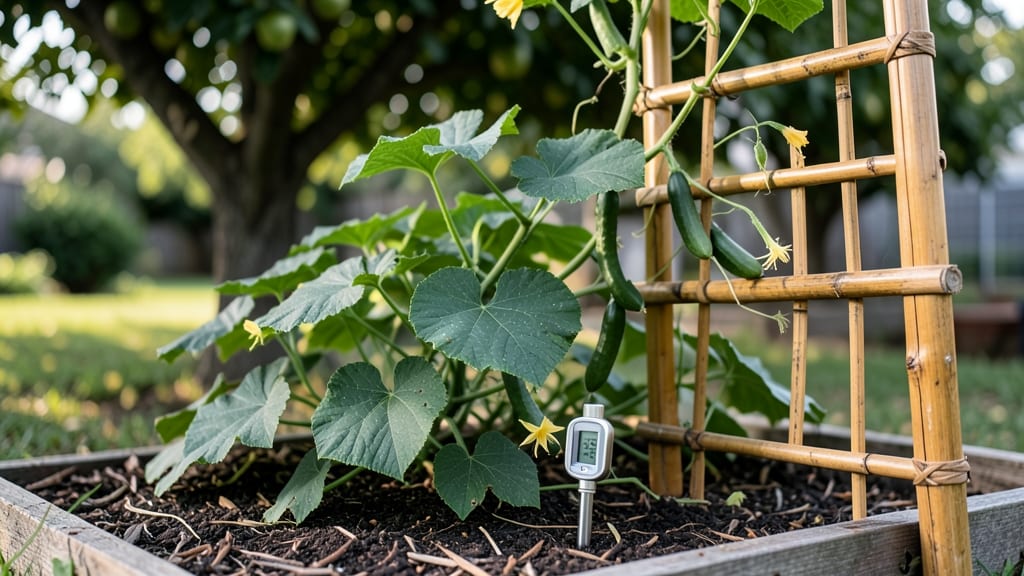
The soil temp for cucumbers makes all the difference—50°F is the bare minimum, but they really thrive when it hits 70-90°F. 🌱 I learned this the hard way when my seeds sat stubbornly in the ground for weeks. last spring, while my neighbor's vines were already climbing trellises.
The difference isn't just patience—it's science, and knowing the right temps means faster harvests and happier plants.
Most gardeners assume soil temperature is the same as air temperature, but it's not. The ground stays cooler longer, especially in early spring or shady spots. A simple soil thermometer (just $10) solves this—stick it in 2 inches deep where you plan to plant, and check it daily.
If it's below 50°F, your seeds will either rot or refuse to sprout, no matter how much you water them. Warmer soil means faster germination, and cucumbers can pop up in just 3-5 days when conditions are right.
You'll know you've hit the sweet spot when those first little green hooks break through the soil within a week. The plants grow aggressively once established, climbing trellises in 10-14 days and producing fruit within 50-70 days of planting.
That's the payoff—juicy, homegrown cucumbers straight from your garden instead of the store. The key is patience in early prep, so you're not waiting all summer for your first harvest.
For cooler climates, try black plastic mulch or clear plastic tunnels to warm the soil naturally. In containers, use dark-colored pots that absorb heat. And if your soil just won't warm up?
Start seeds indoors under a heat mat (they're cheap and foolproof) and transplant once the ground reaches 60°F. That way, you're not stuck waiting for Mother Nature to cooperate.
📚 In This Guide
- What you need
- Instructions
- Tips and common mistakes
- Wrapping up and next steps
What you need
- ● Soil thermometer – A digital probe-style thermometer (e.g., 0–120°F range) for accuracy. Budget pick: $10–$15.
- ● Seed-starting mix – Lightweight, sterile potting soil with peat moss or coco coir (avoid garden soil—it’s too dense!). Quantity: 1–2 gallons per seed tray.
- ● Seed trays or pots – 2–4 inch deep containers with drainage holes. Quantity: 1 tray per 50–100 seeds (or 1 pot per seed).
- ○ Heat mat (optional but recommended) – A seedling heat mat (70–80°F range) to warm soil consistently. Pro tip: Place under trays for faster germination! 🔥
- ● Spray bottle – For gentle watering (avoid oversaturating soil).
- ● Cucumber seeds – Fresh, high-quality seeds (e.g., Burpee Hybrid or heirloom varieties). Quantity: 3–5 seeds per pot (thin to strongest sprout later).
- ● Plastic wrap or humidity dome – To retain moisture until seeds germinate (remove once sprouts appear).
- ● Soil warming cables – For large-scale setups (e.g., greenhouse beds).
- ● Grow lights – LED full-spectrum bulbs (12–16 hours/day) to supplement sunlight if starting indoors.
- ● pH test kit – Ensure soil pH is 6.0–6.8 (cucumbers thrive in slightly acidic soil).
- ● Thermometer alarm – A low-tech alert (e.g., a phone reminder) to check temps twice daily.
Step-by-Step guide to monitoring and maintaining soil temperature for cucumber germination
Here's how I ensure my cucumbers sprout quickly and grow strong—no guesswork involved.
🌱 Step 1: Test Your Current Soil Temperature
Use a soil thermometer to check your garden bed or container soil temperature at 6:00 AM when it's coolest. Cucumbers need soil to be at least 55°F to germinate, but they'll sprout fastest at 75-95°F. If your soil runs cooler than 60°F, you'll need to warm it up before planting.
Push the thermometer probe 1-2 inches deep—that's where cucumber seeds sit. If your soil is below 65°F, don't plant yet. Cold soil slows germination and can rot seeds before they even sprout. I always test for 3 consecutive days to confirm consistency.
☀️ Step 2: Warm Up Cool Soil for Faster Germination
For soil below 65°F, cover the bed with black plastic mulch 1-2 weeks before planting. The plastic absorbs sunlight and raises soil temperature by 10-15°F. Secure edges with soil or rocks so wind doesn't blow it away. Check temperatures daily—once you hit 70°F, you're ready to plant.
If you're using containers, place them in a sunny, sheltered spot like a greenhouse or against a south-facing wall. Dark-colored pots warm faster than light ones. I've seen soil in black plastic pots hit 90°F on sunny days—perfect for cucumbers.
💧 Step 3: Plant When Soil Holds Consistent Warmth
Wait until soil stays at 75°F or warmer for at least 3 days. Plant seeds ½ inch deep in rows 3-4 feet apart—this spacing gives roots room to spread without competing for heat. Water the soil to moist but not soggy before planting, then water gently after to settle seeds.
Here's the thing—cucumbers planted in 60°F soil may take 2-3 weeks to germinate, while seeds in 85°F soil sprout in 3-5 days. That's why timing matters. I always plant when soil is consistently warm to avoid delays.
⏰ Step 4: Maintain Optimal Soil Temperature After Germination
After seeds sprout, keep soil between 70-85°F for best growth. If nights dip below 55°F, use row covers or cloches to trap heat. Young seedlings wilt in cold soil, and recovery takes time. I've seen cucumber plants collapse overnight when soil dropped below 60°F—not a pretty sight.
For container growers, move pots to a warmer location if your patio cools at night. A sunny windowsill or under grow lights works well. Avoid placing containers on cold surfaces like concrete—they'll pull heat from roots and stunt growth.
🌿 Step 5: Adjust for Late Plantings or Cool Climates
If you're planting late in the season, use black plastic mulch or straw mulch to keep soil warm longer. In cool climates, opt for early-maturing varieties like 'Straight Eight' or 'Marketmore'—they tolerate slightly cooler soil better than heat-loving types.
Real talk: I once planted cucumbers in 58°F soil because I missed the window. Germination took 18 days, and the plants struggled for weeks. Don't make that mistake—wait for warmth, and your cucumbers will reward you with fast, vigorous growth.
Tips & tricks for optimal cucumber germination
Perfecting your cucumber germination starts with understanding how temperature directly impacts speed and success. These insights will help you troubleshoot and optimize every step.
Timing is Everything: The 3-day consistency check in Step 1 is non-negotiable. I've planted cucumbers when soil was 65°F one morning and 60°F the next, only to watch seeds rot before sprouting. Always verify that your morning 6:00 AM reading stays above 65°F for three straight days—this is your green light to plant. The 2-inch depth for your soil thermometer matters too; seeds planted at shallower depths may dry out faster in hot conditions.
Heat Retention Strategies: Black plastic mulch isn't just about warming soil—it's about maintaining that warmth. I've found that securing edges with bricks or heavy stones prevents wind from creating cold spots where seeds might fail. For container growers, dark-colored pots can hit 90°F on sunny days, but they also radiate heat quickly at night. Consider wrapping containers with bubble wrap for added insulation during cooler evenings. This simple trick can extend your planting window by weeks in cooler climates.
Visual Cues for Planting: When you're waiting for soil to reach 75°F consistently, look for these signs: morning dew should evaporate by 9:00 AM, and the soil surface should feel warm to your bare hand (like a steaming cup of coffee). If you're still unsure, check the thermometer again at noon—soil temperatures can fluctuate by 10°F between morning and afternoon. This midday check gives you a more accurate picture of what your seeds will experience during germination.
Post-Germination Care: The 70-85°F range after sprouting isn't just a target—it's a critical window. I've seen cucumber seedlings wilt dramatically overnight when temperatures dropped below 60°F, even though they looked healthy at planting. For container growers, move pots to a sheltered spot before sunset if your patio cools significantly. A simple row cover or even a thick blanket draped over seedlings can make the difference between thriving plants and stunted growth.
Pro Tips for Soil Temp For Cucumbers
- Perfecting your cucumber germination starts with understanding how temperature directly impacts speed and success. Th...
- Timing is Everything: The 3-day consistency check in Step 1 is non-negotiable. I've planted cucumbers when soil was 6...
- Heat Retention Strategies: Black plastic mulch isn't just about warming soil—it's about maintaining that warmth. I've...
Frequently asked questions
What’s the fastest way to warm up cold soil for cucumbers?
Use black plastic mulch or row covers to absorb sunlight and raise soil temps by 5–10°F. For quick fixes, plant in raised beds or containers near sunny walls. If soil stays below 50°F, consider a seedling heat mat (70–80°F range) for 1–2 weeks until roots establish.
Can I plant cucumbers if the soil is 60°F but night temps drop below 50°F?
Yes, but only if you use frost cloth to protect seedlings. Cucumbers tolerate cooler nights (<55°F) better than cold soil—focus on keeping roots warm. Monitor for slugs/snails, which thrive in damp, chilly conditions. If soil stays below 60°F for weeks, delay planting until daytime highs hit 70°F consistently.
How do I check soil temperature without a fancy thermometer?
Stick a candy thermometer (like those for meat) 2–3 inches deep in the soil at midday. Alternatively, press a digital thermometer probe into moist soil or use a DIY method: Bury a glass jar filled with water and a floating thermometer (like a fish tank gauge) for 30+ minutes.
What if my cucumbers germinate but grow slowly in cool soil?
Slow growth in <60°F soil is normal—focus on light and water. Thin seedlings to 12–18 inches apart to reduce competition. Side-dress with compost or a balanced fertilizer (10-10-10) to boost energy. If soil stays cold, transplant seedlings to a warmer microclimate (e.g., near a south-facing fence).
Can I use a greenhouse or cold frame to extend the cucumber season?
Greenhouses or cold frames can raise soil temps by 10–15°F, letting you plant 4–6 weeks earlier or extend harvests into fall. Ventilate daily to prevent overheating (ideal daytime temp: 75–85°F). For extra warmth, add a soil warming cable or plant near a dark-colored container filled with hot water.
Wrapping up and next steps
Mastering the ideal soil temperature for cucumbers is your secret weapon for a thriving garden! 🌱 With the right warmth—60–95°F (15–35°C)—you’ll unlock faster germination, healthier roots, and bountiful harvests. Don’t let chilly soil slow you down; use row covers, mulch, or black plastic to keep temps perfect.
Now that you’re armed with the know-how, grab your tools and get planting! 🌿 Start small with a test patch, monitor your soil, and adjust as needed. Happy growing—your future cucumber feasts are waiting! 🥒✨