
Plants
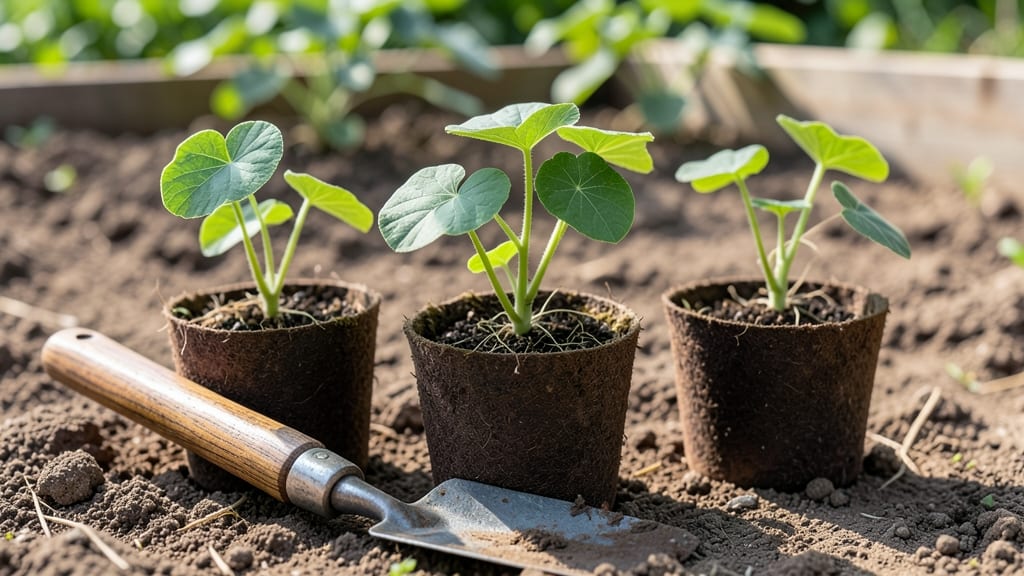
Cucumber seedlings start with two tiny, round cotyledons—the first leaves that look like little shields—before sprouting their signature serrated, jagged leaves that resemble miniature versions of the adult plant. 🌱 The stems are hairy, especially near the base, and grow upright at first before sprawling, while the leaves emerge in a vibrant green that stands out against the soil.
At the true leaf stage (after the cotyledons drop), seedlings are just 1-2 inches tall with leaves about ½ inch wide, and they develop a slightly fuzzy texture that helps distinguish them from weeds or other young plants.
If you're comparing them to squash seedlings, cucumbers stay smaller and have more pronounced serrations on their leaves.
Healthy cucumber seedlings thrive in warm soil (70°F+) and bright light, so keep them near a sunny window or under grow lights until they develop their second set of true leaves.
Overwatering or cold soil can cause leggy, weak growth, so aim for moist but not soggy soil and a warm environment.
Once you spot those distinctive jagged leaves and hairy stems, you'll know you've got true cucumber seedlings ready to transplant—just give them space to sprawl or a trellis to climb. The key is acting fast before they outgrow their containers!
Behind The Odd Seedling Shapes
Understanding why cucumber seedlings develop unusual appearances—whether it’s stunted growth, distorted leaves, or strange textures—starts with identifying the root causes. These quirks often stem from environmental stress, biological factors, or even human error. Let’s break down the science behind these unexpected traits and how to address them.
---
Cucumber seedlings thrive in moderate temperatures, typically between 60°F and 75°F (15°C–24°C). When exposed to heat stress (above 85°F/29°C) or cold shock (below 50°F/10°C), their growth patterns can go haywire.
- Heat Stress Symptoms: - Thick, waxy leaves (a protective response to water loss). - Stunted stems (growth slows to conserve energy). - Yellowing or curling edges (nutrient uptake is disrupted). - Why it happens: High temperatures accelerate transpiration (water loss), forcing seedlings to prioritize survival over expansion.
Enzymes responsible for cell growth also become less efficient in extreme heat.
- Cold Stress Symptoms: - Pale, translucent leaves (chlorophyll production halts). - Slow or no germination (seeds may rot if soil stays too cold). - Blackened or mushy stems (cell damage from frost). - Why it happens: Cold slows enzyme activity, halting metabolic processes.
If soil temperatures drop below 50°F (10°C), seedling roots struggle to absorb water and nutrients, leading to wilting or death.
💡 Pro Tip: Use row covers or greenhouses to moderate temperatures. For cold snaps, mulch the soil to insulate roots.
---
Cucumbers are heavy feeders and demand well-draining, nutrient-rich soil. When soil falls short—whether from compaction, salinity, or pH imbalances—seedlings send distress signals through their appearance.
- Compacted or Waterlogged Soil: - Dark, purple stems (a sign of phosphorus deficiency due to poor root oxygenation). - Yellowing leaves with green veins (chlorosis from iron or zinc deficiency). - Why it happens: Compacted soil restricts root growth, limiting nutrient and water uptake.
Waterlogged conditions drown roots, cutting off oxygen supply and triggering anaerobic bacteria that release toxic compounds.
- Salty or Alkaline Soil: - Crispy, brown leaf edges (osmotic stress from excess salts). - Slow, stunted growth (nutrient absorption is blocked). - Why it happens: High sodium or chloride levels disrupt the plant’s ability to absorb water.
Alkaline soil (pH >7.5) locks out essential micronutrients like iron and manganese, leading to yellowing.
💡 Pro Tip: Test soil pH and amend with sulfur (to lower pH) or lime (to raise it). For compacted soil, mix in compost or perlite to improve aeration.
---
Seedlings under attack from fungal infections, bacterial rot, or insects often develop unusual textures, spots, or deformities before you even spot the culprit.
- Fungal Infections (e.g., Downy Mildew, Powdery Mildew): - Yellow, greasy spots (Downy Mildew) or white powdery coating (Powdery Mildew). - Stunted, twisted leaves (fungus disrupts cell division). - Why it happens: Fungi thrive in humid, stagnant air (80%+ humidity).
Spores land on seedlings, penetrating tissues and blocking nutrient flow. Powdery Mildew, for example, smothers leaves, reducing photosynthesis.
- Bacterial Soft Rot: - Mushy, foul-smelling stems (bacteria break down cell walls). - Wilted leaves that collapse (vascular system is clogged). - Why it happens: Bacteria like Erwinia enter through wounds or overwatered soil. They produce enzymes that dissolve plant cells, leading to rapid decay.
- Pest Damage (e.g., Aphids, Spider Mites): - Sticky, curled leaves (aphid honeydew). - White webbing or tiny specks (mite eggs or frass). - Why it happens: Pests suck sap, starving seedlings of nutrients. Their saliva can also transmit viruses, causing mosaic patterns on leaves.
💡 Pro Tip: Rotate crops to prevent soil-borne diseases. Use neem oil or insecticidal soap for pests, and space seedlings properly to improve air circulation.
--- Too much or too little water can severely alter how cucumber seedlings grow, often leading to abnormal shapes and colors.
- Overwatering: - Yellow, droopy leaves (root suffocation from lack of oxygen). - Blackened stems at the base (fungal rot from saturated soil). - Why it happens: Excess water displaces oxygen in soil, causing anaerobic conditions. Roots suffocate, and fungi like Pythium thrive, rotting tissues.
- Underwatering: - Crispy, curled leaves (cells lose turgor pressure). - Slow, leggy growth (seedling stretches toward moisture). - Why it happens: Without adequate water, guard cells close stomata, halting photosynthesis. Seedlings may also bolt prematurely (send up flowers too early) to reproduce before dying.
💡 Pro Tip: Water at the base (not overhead) and let the top inch of soil dry between waterings. Use drip irrigation for consistency.
--- Not all oddities are environmental—sometimes, the problem starts before the seed even sprouts.
- Low-Quality or Old Seeds: - Weak, uneven germination (some seeds fail to sprout). - Pale, weak seedlings (poor genetic vigor). - Why it happens: Seeds lose viability over time. Old or stored improperly, they may not carry enough energy (endosperm) to support strong growth.
- Hybrid Seedling Breakdown: - Inconsistent traits (e.g., some seedlings have hairless stems while others are fuzzy). - Poor disease resistance (if parent plants weren’t hardy). - Why it happens: Hybrids rely on specific genetic combinations.
If growing from saved seeds, the second generation (F2) may revert to weaker traits.
💡 Pro Tip: Buy fresh, certified seeds from reputable suppliers. If saving seeds, select the healthiest, most uniform plants for breeding.
Reviving Weak Cucumber Seedlings Fast
Got seedlings that aren’t looking their best? Whether they’re leggy, stunted, or just not thriving, these practical fixes will help you turn things around—no green thumb required! Below, we’ve matched common issues with step-by-step solutions and prevention tips to keep your cucumber babies strong and healthy.
---
Cause: Too little light or overcrowding forces seedlings to stretch toward any available light source.
How to Fix It: 🔥 Boost Light Exposure - Move seedlings to a sunniest spot (south-facing window or grow light). - If using artificial light, place it 2–4 inches above seedlings and keep it on for 12–16 hours/day.
🍳 Thin or Transplant - If seedlings are crowded, gently separate them into individual pots with well-draining soil. - Use a small trowel or your fingers to avoid damaging roots.
👨🍳 Fertilize Lightly - Use a balanced, water-soluble fertilizer (5-5-5 or 10-10-10) at half-strength to encourage sturdy growth. - Avoid over-fertilizing—this can burn tender roots!
Prevention Tips: ✨ Start with proper spacing—plant seeds 1 inch deep and 1–2 inches apart. 🌡️ Use a grow light if natural light is weak (especially in early spring or fall). 🎯 Rotate pots weekly to ensure even growth.
---
Cause: Overwatering, underwatering, or nutrient deficiencies can cause leaves to yellow or droop.
How to Fix It: 💧 Check Soil Moisture - Stick your finger 1 inch into the soil—if it’s soggy, reduce watering. If dry, water deeply until it drains from the bottom. - Avoid letting seedlings sit in water—use pots with drainage holes.
🌡️ Adjust Watering Habits - Water only when the top inch of soil is dry (usually every 2–3 days, depending on climate). - Water at the base to prevent fungal diseases from wet foliage.
💡 Diagnose Nutrient Issues - Yellow lower leaves? Likely nitrogen deficiency—apply a balanced fertilizer or compost tea. - Yellow edges? Could be chlorosis (iron deficiency)—use a chelated iron supplement or adjust soil pH (aim for 6.0–6.8).
Prevention Tips: 🔥 Use lightweight, well-draining soil (mix potting soil with perlite or vermiculite). 🌱 Mulch lightly to retain moisture without suffocating roots. ✨ Monitor humidity—wilting can also signal low humidity; mist leaves lightly if needed.
---
Cause: Aphids, spider mites, or fungal infections (like powdery mildew) can weaken seedlings.
How to Fix It: 🔪 Spot and Remove Pests - Aphids? Spray with soapy water (1 tsp mild soap + 1 quart water) or introduce ladybugs. - Spider mites? Wipe leaves with a damp cloth and increase humidity. - Fungal spots? Remove affected leaves and spray with neem oil (1 tsp neem oil + 1 quart water).
🌿 Improve Airflow - Space seedlings at least 6 inches apart to reduce humidity buildup. - Use a small fan on low for 1–2 hours daily to prevent fungal growth.
💡 Prevent Future Infestations - Inspect new plants before bringing them indoors. - Rotate crops—don’t plant cucumbers in the same spot year after year.
Prevention Tips: 🎯 Keep seedlings clean—remove yellow or damaged leaves promptly. 🌡️ Avoid overhead watering—water at the base to keep foliage dry.
--- Before transplanting, harden off seedlings to prevent shock: ⏰ Start 1 week before moving outdoors—place seedlings in partial shade for 1–2 hours/day, gradually increasing time. 🌱 Acclimate to wind and sun—by day 5, they should handle full sun for 4–6 hours.
--- Pro Tip: 💡 If seedlings still look weak after trying these fixes, they may be overcrowded or root-bound—transplant them into larger pots (5+ inches deep) for better growth!
Frequently asked questions about cucumber seedlings
How can I tell if my tiny seedlings are actually cucumbers and not weeds?
Look for hairy stems and jagged, serrated leaves that resemble miniature versions of mature cucumber foliage. Weeds often have smooth stems and rounder leaves. Compare them to your seed packet—true cucumber seedlings should match the leaf shape described there.
Why do my cucumber seedlings have fuzzy stems but no leaves yet?
Those fuzzy stems are normal! The first cotyledons (seed leaves) appear first, followed by the true leaves. If your seedlings have only stems with no leaves after 2-3 weeks, check soil warmth (70°F+) and light exposure—cold or dim conditions can delay leaf growth.
Can I transplant seedlings with just cotyledons or do I need to wait for true leaves?
Wait until you see 2-3 true leaves (the jagged ones, not the first shield-shaped cotyledons). Seedlings with only cotyledons are too fragile for transplanting—they lack the root strength to handle the shock. This usually takes 3-4 weeks from germination.
What should I do if my seedlings look pale and stretched out?
This is called legginess, caused by insufficient light. Move them to a sunny window or under grow lights (12-16 hours/day). If already leggy, bury half the stem when transplanting—it'll develop new roots and become sturdier.
How big should cucumber seedlings be before transplanting outdoors?
Aim for 4-6 inches tall with 4-6 true leaves. They should have a sturdy stem and healthy green color. Harden them off first by gradually exposing to outdoor conditions over 5-7 days before planting in your garden.