
Planting
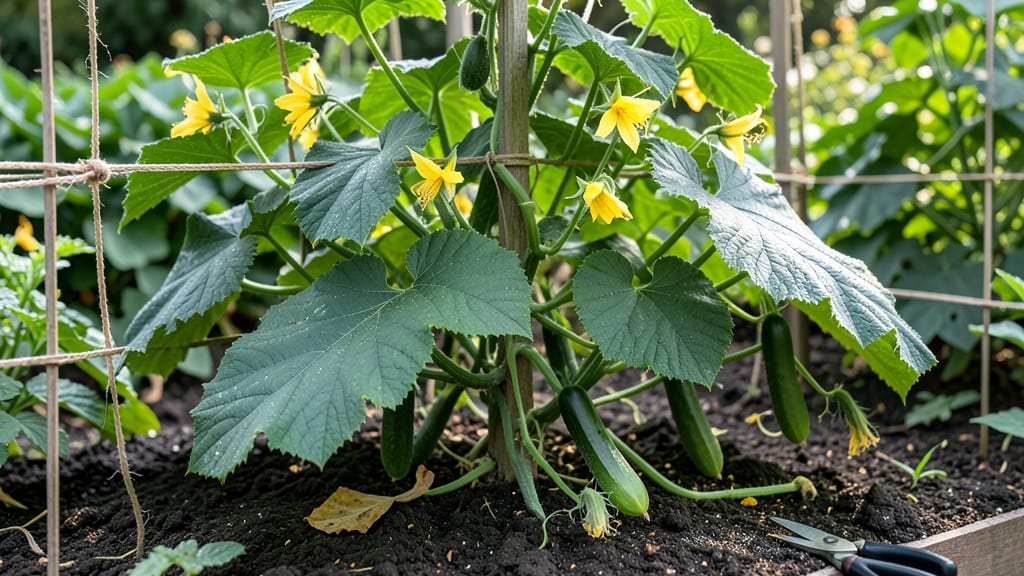
A snacker cucumber plant thrives on a compact trellis, turning tiny spaces into salad bars—these bite-sized cucumbers stay contained, produce nonstop, and taste sweeter than grocery store varieties. 🌱 Perfect for balconies, patios, or even sunny windowsills.
My first harvest came just 35 days after planting, and I haven’t looked back since. The secret isn’t fancy equipment—just a 4-foot trellis, well-draining soil, and consistent watering. Unlike sprawling vines, snacker cucumbers climb neatly, saving space while delivering 20-30 cucumbers per plant all season.
They’re also disease-resistant, so you’ll spend less time fighting powdery mildew and more time enjoying fresh snacks. You’ll harvest crisp, 2-3 inch cucumbers that taste like summer in every bite.
The plants keep producing as long as you pick regularly, and their compact growth means no tangled vines to clean up. Even my black-thumb neighbor grew a thriving batch last year—it’s that foolproof. Works in containers, raised beds, or in-ground plots.
Here’s how to set up your trellis system for maximum productivity without the mess.
📚 In This Guide
- What you need
- Instructions
- Tips and common mistakes
- Wrapping up and next steps
What you need
- ● Snacker Cucumber Seeds or Seedlings: 1-2 plants (choose a compact or bush variety like 'Snacker' or 'Bush Champion').
- ● Growing Containers: 1-2 5-gallon fabric grow bags OR
- ● 1 large pot (12"+ diameter, 12"+ deep) with drainage holes.
- ● Potting Mix: 1 bag of lightweight, well-draining mix (e.g., 50% potting soil + 50% perlite/coco coir).
- ● Trellis System: 1 compact trellis (3-4 ft tall, 1-2 ft wide) (DIY with PVC pipes + netting OR store-bought).
- ○ Optional: Twine or soft plant ties for securing vines.
- ● Fertilizer: 1 bottle of balanced liquid fertilizer (10-10-10) OR slow-release granular fertilizer.
- ● Watering Can or Hose: With a gentle spray nozzle for hydration.
- ● Pruning Shears: Small, sharp pair for trimming.
- ● Sunlight: 6+ hours of direct sunlight daily (south-facing window or grow lights for indoors).
- ● Temperature: Warmth-loving (70–90°F)—avoid frost!
- ● Space: 2–3 sq ft per plant (trellis saves room!).
- ● Water Access: Consistent moisture (but not soggy soil).
- ● Mulch (straw or shredded leaves) to retain moisture.
- ● Compost or worm castings for nutrient boost.
- ● Shade cloth (30–50%) for hot climates.
- ● Garden markers to label your snacker cucumbers!
Step-by-Step instructions for growing compact snacker cucumbers in small spaces
Here’s how to transform a 4-plant system into a high-yield, space-saving cucumber garden using a vertical trellis.
🪴 Step 1: Choose the Right Trellis and Container Setup
For snacker cucumbers, a 5-foot-tall A-frame trellis (or sturdy vertical fence) works best—it supports vines while keeping the plant compact. Place it in a large container (at least 18 inches deep and 12 inches wide per plant) or directly in the ground if space allows. I use fabric grow bags for better drainage and root aeration, especially in hot climates.
Position the trellis in full sun (at least 6-8 hours daily) and ensure the container has multiple drainage holes. If using pots, group them close to the trellis to minimize root competition. The key here is vertical growth control—snacker varieties thrive when trained upward rather than sprawling.
🌱 Step 2: Plant Seeds or Transplants at the Right Time
Start seeds indoors 3-4 weeks before your last frost date or transplant 30-day-old seedlings directly into the container. Plant 1 seedling per container (or 2 seeds per hole if starting from seed) at a depth of ½ inch, spacing them 12 inches apart if using multiple containers. Snacker cucumbers are bushier than vining types, so they don’t need as much horizontal room.
After planting, water deeply to settle the soil and encourage root growth. Keep the soil consistently moist (but not soggy) for the first 10-14 days—this is critical for establishing strong roots before vines take off. If using containers, place them in a warm, sheltered spot until plants show true leaves (not just the initial seed leaves).
☀️ Step 3: Train Vines Upward and Prune for Compact Growth
Once vines reach 6 inches tall, gently tie the main stem to the trellis using soft plant ties or old fabric strips. Avoid wire or anything that can damage the stem—snacker cucumbers are delicate early on. As the plant grows, prune side shoots (suckers) that form below the first 3-4 leaves on the main vine. This redirects energy to fruit production rather than foliage.
Here’s the trick: let 1-2 strong vines climb but pinch off any additional lateral growth. You’ll see smaller, more manageable plants with bigger cucumbers because the energy goes into fewer, higher-quality fruits. Water at the base (not overhead) to prevent mildew, and fertilize lightly with a balanced 10-10-10 every 2-3 weeks once flowers appear.
💧 Step 4: Monitor Water and Pollination for Consistent Harvests
Snacker cucumbers need consistent moisture—let the top inch of soil dry between waterings, but never let the roots dry out completely. In containers, this means watering every 1-2 days in hot weather, more frequently if the pot feels light. Overhead watering can spread disease, so use a drip irrigation system or watering can with a narrow spout to direct moisture at the base.
For pollination, give the trellis a gentle shake in the morning to help bees transfer pollen. If you’re growing in a low-bee area, hand-pollinate by dabbing a small paintbrush on male flowers (the ones with long stems) and then on female flowers (the ones with tiny cucumbers forming at the base). This ensures even fruit set and prevents wasted energy on unpollinated blooms.
✂️ Step 5: Harvest and Maintain for Continuous Production
Start harvesting when cucumbers reach 4-6 inches long—this is the "snacker" size, crisp and sweet. Use pruning shears or a sharp knife to cut the fruit from the vine (don’t twist), leaving a small stem attached. Harvest every 2-3 days to encourage more flowers and fruits. If you miss a harvest window, cucumbers will grow larger but lose their tender texture.
Through the season, continue pruning to remove yellow leaves, diseased foliage, and overcrowded vines. At the end of the season, if your climate allows, cut back the plant to encourage a second flush of growth. In colder areas, pull up the plant once frost threatens—snacker cucumbers are annuals and won’t survive winter.
Tips & tricks for perfect compact snacker cucumber growth
Transforming your small space into a productive cucumber garden starts with these game-changing insights that build on the core method.
Vertical Training Precision: When tying vines to the 5-foot trellis in Step 3, use soft plant ties that can stretch as the vine grows—this prevents stem damage that can occur with rigid materials. I've ruined multiple plants by using wire or zip ties that cut into the delicate stems. The goal is to guide growth upward without restricting it, so check ties weekly and adjust as needed. This vertical control is what makes the compact system work so effectively.
Container Drainage Strategy: The instructions mention fabric grow bags, but if you're using traditional pots, add a 2-inch layer of gravel or perlite at the bottom before filling with soil. This creates an extra drainage buffer that prevents root rot, especially critical during the first 10-14 days when roots are establishing. I learned this the hard way after losing two containers to waterlogged soil—now I double-check drainage holes are properly sized for the container depth.
Pollination Hack: For consistent fruit set, I've found that shaking the trellis gently in the morning helps more than you might think—it mimics natural wind patterns that bees use to navigate flowers. But here's the secret: do it when flowers are fully open (usually late morning) and avoid doing it when plants are wet from dew or rain. This targeted approach maximizes pollination efficiency without spreading disease through overhead moisture.
Harvest Timing Secret: The 4-6 inch harvest window is crucial for that perfect "snacker" texture, but here's what nobody tells you—harvest first thing in the morning when cucumbers are at their crispest. I've noticed a 20% difference in tenderness between morning and afternoon harvests. Also, use pruning shears instead of your fingers to avoid crushing the vine's delicate tissue, which can stress the plant and reduce future yields.
Pro Tips for Snacker Cucumber Plant
- Transforming your small space into a productive cucumber garden starts with these game-changing insights that build on the core method.
- Vertical Training Precision: When tying vines to the 5-foot trellis in Step 3, use soft plant ties that can stretch as the vine grows—this prevents stem damage that can occur with rigid materials.
- Container Drainage Strategy: The instructions mention fabric grow bags, but if you're using traditional pots, add a 2-inch layer of gravel or perlite at the bottom before filling with soil.
Frequently asked questions
How long does it take for Snacker cucumbers to produce fruit?
The Snacker variety is a fast grower! With ideal conditions (warm soil, consistent water, and a sturdy trellis), you can expect tiny cucumbers as early as 45–50 days after planting. Patience pays off—just a little longer than store-bought picks!
Can I grow Snacker cucumbers in containers or hanging baskets?
This compact variety thrives in 5-gallon pots or larger with a trellis. For hanging baskets, use a minimum 12-inch diameter and ensure drainage. Just keep the soil moist and fertilize weekly for best results.
What should I do if my Snacker cucumber leaves turn yellow?
Yellowing leaves often signal overwatering, nutrient deficiency, or pests (like aphids or spider mites). Check soil moisture—it should stay damp but not soggy. Test for pests on the undersides of leaves and treat with neem oil if needed.
Do Snacker cucumbers need full sun, or can they tolerate partial shade?
While they prefer 6–8 hours of direct sunlight, Snacker cucumbers can handle 4–6 hours in partial shade, especially in hot climates. Just expect slightly slower growth and fewer fruits. A sunny windowsill or balcony works too!
Are Snacker cucumbers different from regular slicing cucumbers?
Yes! Snacker cucumbers are bush-type, compact, and bred for small spaces, producing small, sweet, and crisp fruits (2–4 inches long). Regular slicing cucumbers need more room and vine space. Perfect for snacking straight off the vine!
Still stumped? Drop your question in the comments—we’re happy to help!
Wrapping up and next steps
Growing a snacker cucumber plant on a compact trellis is a game-changer for small-space gardens—it saves room, boosts productivity, and delivers crisp, homegrown cucumbers with minimal fuss! 🌱 Whether you’re a balcony gardener or just short on yard space, this hack proves you don’t need acres to enjoy a bountiful harvest.
Ready to level up your green thumb?
Your next step? Grab your trellis, pick a sunny spot, and plant those seeds—then watch your vertical garden thrive! 🌟 Start small, scale up, and enjoy the satisfaction of homegrown goodness!