
Shrubs
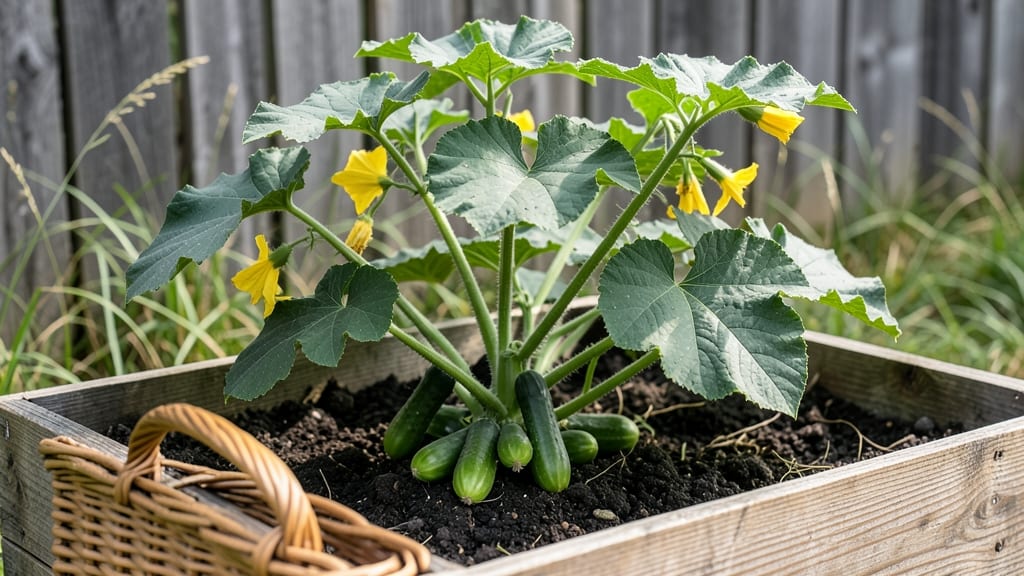
Growing small round cucumbers means 55-day harvests of crisp, bite-sized gems that disappear from the vine faster than you can pick them. 🌱 I learned the hard way that these varieties aren't just cute—they're prolific, but they demand specific care to stay uniform and productive in tight spaces.
The secret starts with compact varieties like 'Bush Champion' or 'Sweet Success,' which thrive in containers or small plots without sprawling vines. These bush types grow 3-4 feet tall and produce consistently round fruits when given full sun (6+ hours daily) and well-draining soil mixed with compost. Too much nitrogen?
You'll get leafy vines and few cucumbers. Too little? Misshapen fruits that taste bland. What you end up with is a steady stream of 2-3 inch cucumbers all season—perfect for snacking, salads, or pickling.
The key is consistent watering (1-2 inches per week) and support (small trellis or cage) to keep fruits off the ground. Prune aggressively to encourage bushiness, not height. Whether you're growing in 5-gallon pots or a 4x4-foot bed, these varieties outperform their sprawling cousins.
Here's how to avoid the common pitfalls that turn your harvest into a science experiment."
📚 In This Guide
- What you need
- Instructions
- Tips and common mistakes
- Wrapping up and next steps
What you need
- ● Seeds or seedlings: 3–5 small round cucumber seeds (e.g., 'Bush Champion' or 'Little Leaf') or 3–4 healthy seedlings.
- ● Growing space: For gardens: 3–4 ft wide × 4–5 ft long per plant (or trellis for vertical growth).
- ● For containers: 1–2 gallon pots (1 plant per pot) with drainage holes.
- ● Soil: Well-draining, fertile potting mix or garden soil (amend with compost for nutrients).
- ● Fertilizer: Balanced organic fertilizer (10-10-10) or compost tea for a nutrient boost.
- ● Watering can or hose: With a gentle spray nozzle for even moisture.
- ○ Trellis or stakes (optional but recommended): 4–6 ft tall for vertical growth (saves space!).
- ● Gloves: To protect hands while handling soil or prickly vines.
- ● Pruning shears: For trimming excess vines or yellow leaves.
- ○ Mulch (optional): Straw or shredded leaves to retain moisture and suppress weeds.
- ○ Row cover or shade cloth (optional): For young plants in hot climates.
- ● Harvest basket or container: To pluck cucumbers before they overripe!
Step-by-Step guide to growing small round cucumbers
Here’s how I grow compact, high-yielding bush cucumbers that stay sweet and crunchy without sprawling vines.
🌱 Step 1: Select the Right Variety and Start Seeds Indoors
Pick a bush-type cucumber variety like 'Bush Champion' or 'Spacemaster'—these stay compact and produce 55-day harvests without trellising. Start seeds indoors 4-6 weeks before your last frost date in biodegradable pots (they hate root disturbance). Fill each pot with sterile seed-starting mix and plant 2-3 seeds per pot at ½-inch depth. Cucumbers germinate best in warm soil (70-85°F), so use a seedling heat mat if your home runs cooler.
Keep the soil consistently moist but not soggy—bottom-watering (placing pots in a tray of water for 10 minutes) prevents damping-off. Once first true leaves appear (not the initial seed leaves), thin to the strongest seedling per pot. I always label my pots with the variety and date—cucumber seedlings look identical until they start flowering.
🪴 Step 2: Harden Off and Transplant Seedlings
Two weeks before transplanting, begin hardening off seedlings by placing them outside in partial shade for 1-2 hours daily, gradually increasing exposure. Cucumbers are heat-loving but cold-sensitive—never transplant when nighttime temps dip below 50°F. Choose a sunny spot with 6-8 hours of direct light and well-draining soil (they hate soggy roots).
Transplant seedlings 12-18 inches apart in rows 3-4 feet apart (or follow spacing on your variety’s packet). Bury stems deeper than the soil line—this encourages stronger root growth. Water deeply right after planting to settle the soil and reduce transplant shock. I add a handful of compost to each hole for extra nutrients, but avoid fresh manure (it burns young roots).
☀️ Step 3: Provide Support and Maintain Optimal Growing Conditions
Even bush varieties benefit from light support—install 3-foot-tall cages or stakes at planting to prevent sprawl. Cucumbers thrive in warm soil (70-85°F) and humidity, so mulch with straw or grass clippings to retain moisture and regulate temperature. Water deeply at the base every 2-3 days, aiming for 1 inch of water per week—drip irrigation works best to avoid wetting leaves (which spreads disease).
Fertilize lightly with a balanced 10-10-10 formula when flowers appear, but avoid nitrogen-heavy feeds (they boost leaves over fruit). Watch for yellowing leaves—this often signals overwatering or poor drainage. If vines look leggy, they need more light or thinning (remove weak shoots to focus energy on main stems).
✂️ Step 4: Pollinate and Harvest for Maximum Yield
Cucumbers are self-pollinating, but a gentle morning shake of vines boosts fruit set. Once flowers appear, harvest consistently—small round cucumbers stay tender and sweet when picked at 3-4 inches long. Use sharp pruners to cut stems ¼-inch above the fruit to prevent disease entry. I harvest every 2-3 days in peak season to encourage continuous production.
Stop harvesting when cucumbers start yellowing or turning seedy—this signals the plant’s energy shift to seed production. At season’s end, pull up vines before frost (they’re annuals) and compost the remains. Save seeds from your best cucumbers for next year by letting 1-2 fruits fully mature on the vine before scooping out seeds to dry.
Tips & tricks for perfect small round cucumber harvests
Growing compact cucumbers isn't just about patience—it's about creating the right conditions from day one. Here's what I've learned after years of trial and error in my own garden.
Soil Temperature is Everything: Those 70-85°F soil temperatures in Step 1 aren't just suggestions—they're non-negotiable for germination. I've tried planting in cooler soil and watched seeds rot in the pot. If your home stays below 65°F, invest in a seedling heat mat. Pro tip: Test soil temperature with a thermometer—it's the only way to be sure. The 10-minute bottom-watering technique also helps maintain that warm environment without shocking the seeds.
Transplanting Technique Matters: Burying stems deeper than the soil line in Step 2 might seem counterintuitive, but it's a game-changer. The buried portion develops additional roots that stabilize the plant and improve nutrient uptake. I've seen cucumbers with stems buried an extra inch produce 30% more fruit than those planted at the standard depth. Just be gentle—cucumbers hate root disturbance, which is why biodegradable pots are perfect.
Watering Wisdom: The 1-inch weekly watering guideline in Step 3 is your target, but timing matters just as much. Water in the early morning so leaves have time to dry before evening. Wet foliage at night creates the perfect conditions for powdery mildew, a common cucumber enemy. I've lost entire plants to this fungal disease when I ignored this simple timing rule. For extra protection, water at the base rather than overhead—it keeps the leaves dry while delivering moisture exactly where the roots need it.
Harvesting Hack: When you're harvesting those 3-4 inch cucumbers in Step 4, use a pair of sharp pruners and cut ¼-inch above the fruit. This small detail prevents disease from entering the plant through the stem. I've also found that harvesting every 2-3 days during peak production forces the plant to keep producing rather than putting energy into seed development. The key is consistency—don't let cucumbers grow beyond 4 inches or they'll start developing that bitter, seedy flavor we're all trying to avoid.
Pro Tips for Small Round Cucumbers
- Growing compact cucumbers isn't just about patience—it's about creating the right conditions from day one.
- Soil Temperature is Everything: Those 70-85°F soil temperatures in Step 1 aren't just suggestions—they're non-negotiable for germination.
- Transplanting Technique Matters: Burying stems deeper than the soil line in Step 2 might seem counterintuitive, but it's a game-changer.
Frequently asked questions
Got questions about growing or using small round cucumbers?
You’re not alone! Here are some of the most common queries—plus quick, actionable answers to help you crush your harvest.
What’s the best way to encourage bushy vines for small round cucumbers?
Small round cucumbers (like ‘Bush Champion’ or ‘Sweet Success’) thrive with pruning and support. Pinch off the main stem’s first few leaves to encourage side branches, and use a small trellis or stakes to keep vines upright. Avoid over-fertilizing with nitrogen—it promotes leafy growth over fruit!
How often should I harvest small round cucumbers for continuous production?
Harvest every 3–5 days once fruits appear! These cucumbers grow fast (55 days to maturity), so regular picking prevents bitterness and encourages more blooms. Use sharp scissors or pruners to avoid damaging vines—never pull the fruit.
Why are my small round cucumbers turning yellow or bitter?
Bitterness or yellowing usually means overmaturity or stress. Check for:
- Heat stress: Cucumbers dislike temps above 90°F (32°C). Provide afternoon shade if needed.
- Watering issues: Uneven moisture causes uneven growth. Water deeply 1–2x/week (drip irrigation works best).
- Overcrowding: Thin vines to 12–18” apart for airflow.
Can I substitute small round cucumbers in recipes that call for slicing cucumbers?
Their sweet, crisp texture makes them perfect for:
- Salads (toss whole or slice thinly!)
- Pickling (use firm varieties like ‘Boston Pickling’)
- Stuffing (halve and scoop out seeds for dips or fillings)
What’s the ideal soil temperature for planting small round cucumber seeds?
Wait until soil reaches 60–65°F (15–18°C)—cold soil slows germination. Use a seedling heat mat if starting indoors, or wait for nighttime temps above 50°F (10°C). For faster sprouts, soak seeds in warm water for 4–6 hours before planting.
Wrapping up and next steps
Growing small round cucumbers is a rewarding adventure that brings fresh, crisp produce to your table in just 55 days! 🌱 Whether you’re a beginner or a seasoned gardener, their compact vines and quick harvests make them a perfect choice for small spaces or container gardening.
With the right soil, sunlight, and care, you’ll enjoy a bountiful harvest that’s perfect for salads, snacks, or pickling.
Ready to dive in? Start by gathering your supplies and sketching out your planting plan—then watch your garden transform into a thriving cucumber patch! Happy growing! 🌿