
Picking
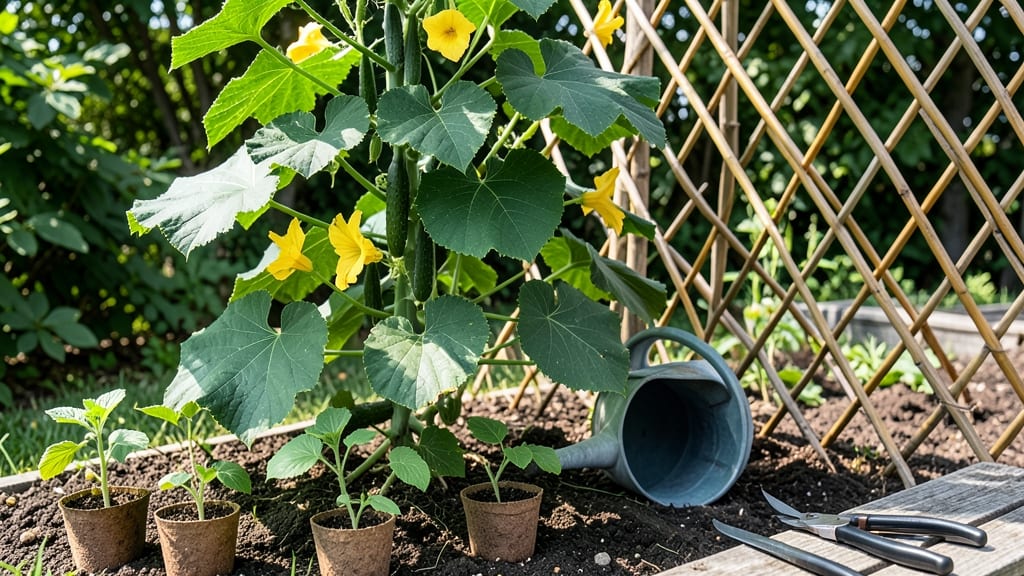
Planting cucumbers vertically turns a sprawling mess into a neat, high-yielding harvest under your porch or balcony. 🌱 The secret isn’t just saving space—it’s how trellises force vines to focus energy on fruit instead of wandering.
My first vertical cucumber patch produced twice as many cucumbers in half the footprint as my ground-planted vines, and the fruit stayed cleaner too. You’ll need sturdy supports (A-frame trellises work best for wind), 3-4 feet of vertical space, and a few simple tools to train vines.
The biggest challenge? Keeping the trellis from toppling when vines hit their peak—tie them securely every 10-12 inches. Pruning side shoots after the first 6 leaves ensures all energy goes upward, not sideways.
By mid-summer, you’ll watch cucumbers dangle like green ornaments, easy to pick and free from soil-borne diseases. The vertical method also makes harvesting a breeze—no more crawling or bending. Plus, pests like cucumber beetles have a harder time climbing up to lay eggs.
Works for any balcony, small yard, or even a sunny windowsill with the right setup. Once you try it, you’ll wonder why you ever let cucumbers sprawl.
📚 In This Guide
- What you need
- Instructions
- Tips and common mistakes
- Wrapping up and next steps
What you need
- ● Cucumber seeds or seedlings: 3–5 plants (choose bushy varieties like 'Straight Eight' or 'Marketmore' for vertical growth).
- ● Trellis or vertical support: A-frame trellis (4–6 ft tall, sturdy wire or bamboo)
- ● Wall-mounted trellis (for balconies, use suction cups or brackets)
- ● String/zip-line system (for DIY setups, use ¼-inch thick twine or nylon cord)
- ● Potting soil or garden bed: Well-draining, nutrient-rich mix (add compost for extra fertility).
- ● Container or raised bed: At least 12 inches deep (if not planting directly in the ground).
- ● Stakes or plant ties: Soft twine or Velcro ties to secure vines (avoid wire—it can damage stems!).
- ● Watering can or hose with gentle nozzle: Cucumbers need consistent moisture.
- ● Fertilizer: Balanced organic fertilizer (10-10-10) or compost tea for leafy growth.
- ● Mulch: Straw or shredded leaves to retain moisture and suppress weeds.
- ● Pruning shears: For trimming excess leaves or runners (encourages upward growth).
- ● Shade cloth: If your climate gets scorching hot, 30% shade can protect delicate vines.
- ● Drip irrigation kit: Automates watering and saves time (great for busy gardeners!).
- ● Vertical garden fabric: For extra support if growing in tight spaces.
Step-by-step guide to planting cucumbers vertically
Here’s how I transform sprawling cucumber vines into tidy, high-yielding vertical gardens—no wasted space, just more fruit.
🪴 Step 1: Choose the Right Trellis and Location
Select a sturdy trellis at least 6 feet tall—cucumbers need vertical support for their heavy vines. I prefer A-frame or teepee designs because they’re stable and let vines climb naturally. Position the trellis in full sun, where it gets at least 6-8 hours of direct sunlight daily. Cucumbers are heat-lovers, so avoid shady spots or you’ll get sparse, bitter fruit.
If your garden soil is heavy clay, amend it with 2-3 inches of compost before planting. Cucumbers hate soggy roots, so ensure the planting area has well-draining soil. I always test drainage by digging a hole, filling it with water, and checking if it drains within an hour—if not, mix in perlite or sand.
🌱 Step 2: Plant Seeds or Transplants at the Base
Sow 4-6 cucumber seeds (or transplants) 1 inch deep at the base of the trellis, spaced 12 inches apart. Planting too close leads to crowded vines that compete for nutrients and struggle to climb. If using seeds, wait until soil temperatures reach 60°F—cold soil delays germination and weakens seedlings.
Water deeply after planting to settle the soil around roots. I like to use a soaker hose to avoid disturbing the seeds. Keep the soil evenly moist but not soggy for the first 2 weeks, as consistent moisture encourages strong root development. You’ll know you’re on track when seedlings emerge with bold, deep-green cotyledons within 7-10 days.
☀️ Step 3: Train Vines to Climb Early
Once vines reach 6 inches tall, gently tie the main stem to the trellis with soft plant ties or old fabric strips—never wire, which can damage tender stems. I start by securing the vine at the first true leaves, then add ties every 12 inches as it grows. This prevents vines from flopping over and encourages upward growth.
Prune side shoots (suckers) that grow below the main vine to direct energy upward. You’ll see bushier growth and more fruit if you remove these early. Leave only one strong vine per plant to climb—extra vines compete for resources and reduce yields. Here’s the thing: cucumbers are aggressive climbers, so stay ahead of the growth to avoid tangled messes.
💧 Step 4: Water and Fertilize for Vertical Growth
Water at the base of the plant (never overhead) to keep foliage dry and prevent fungal diseases like powdery mildew. Aim for 1-1.5 inches of water per week, adjusting for rain. Let the top inch of soil dry out between waterings—consistent moisture is key, but soggy roots invite rot.
Feed plants with a balanced fertilizer (10-10-10) when flowers appear, then switch to a low-nitrogen, high-potassium blend (5-10-10) once fruit sets. I mix fertilizer into the soil at planting and top-dress monthly. You’ll know it’s working when vines grow rapidly and produce abundant yellow flowers—the precursor to cucumbers.
✂️ Step 5: Prune and Harvest for Continuous Production
Prune regularly to maintain airflow and prevent disease. Remove yellow leaves and dead flowers to redirect energy to fruit production. I also pinch off the tip of the main vine once it reaches the top of the trellis—this encourages the plant to focus on ripening existing fruit rather than growing taller.
Harvest cucumbers frequently (every 2-3 days) to keep plants productive. Pick fruit when it’s firm and fully colored—leaving cucumbers on the vine past maturity stresses the plant and reduces future yields. A well-maintained vertical cucumber plant can produce dozens of cucumbers per season if you stay on top of pruning and harvesting.
Tips & tricks for perfect vertical cucumber gardens
Here's what nobody tells you about transforming sprawling cucumbers into tidy, high-yielding vertical climbers—these tricks will keep your vines thriving and your harvests bountiful.
Location is Everything: While the instructions emphasize full sun, I've learned that positioning matters just as much as duration. Place your trellis where it gets morning sunlight (critical for drying dew) and afternoon shade if you're in a hot climate like the Southwest. This prevents sunburn on leaves while still providing the required 6-8 hours of light. I've seen cucumbers bolt—producing bitter fruit—when exposed to intense afternoon heat without relief. Also, avoid placing trellises near large trees that might drop leaves or compete for nutrients.
Soil Prep That Makes All the Difference: The instructions mention compost and drainage testing, but here's the secret: I always add a handful of worm castings to the planting hole. These microscopic powerhouses introduce beneficial microbes that help roots absorb nutrients more efficiently. For heavy clay soil, I mix in coarse sand or perlite (about 10% of the soil volume) to improve aeration. The drainage test is crucial—if water sits longer than an hour, your cucumbers will suffer from root rot, especially during the first critical 2 weeks when roots are establishing.
The Early Training Advantage: Don't wait until vines reach 6 inches to start training—begin when they're just 3-4 inches tall. I use soft plant ties made from old T-shirts or pantyhose because they stretch as the vine grows without damaging it. The key is to tie at the first true leaves, then add ties every 12 inches as specified, but here's my pro move: I also tie at the second set of true leaves. This creates a stronger framework that prevents the vine from sagging under the weight of fruit later in the season. Remember, cucumbers are heavy—each vine can support 20+ pounds of fruit!
Watering Wisdom for Vertical Success: The instructions mention watering at the base, but timing matters just as much. I water in the early morning (before 9 AM) to allow foliage to dry completely before evening. This prevents fungal diseases like powdery mildew, which can devastate vertical gardens where airflow is already restricted. For the first 2 weeks, I actually water twice daily—once in the morning and once in the late afternoon—until the seedlings show strong green cotyledons. This consistent moisture helps roots establish quickly, setting the stage for vigorous upward growth.
Pro Tips for Planting Cucumbers Vertically
- Here's what nobody tells you about transforming sprawling cucumbers into tidy, high-yielding vertical climbers—these tricks will keep your vines thriving and your harvests bountiful.
- Location is Everything: While the instructions emphasize full sun, I've learned that positioning matters just as much as duration.
- Soil Prep That Makes All the Difference: The instructions mention compost and drainage testing, but here's the secret: I always add a handful of worm castings to the planting hole.
Frequently asked questions
Got questions about vertical cucumber gardening?
You’re not alone! Here are answers to the most common curiosities—from setup snags to harvest hacks.
What’s the best time to plant cucumbers vertically?
Plant cucumbers after the last frost when soil temps hit 60–65°F (15–18°C). For cooler climates, start seeds indoors 3–4 weeks earlier. Vertical planting works year-round in warm zones—just use shade cloth in peak summer heat to prevent stress.
How close can I space vertical cucumber plants?
Space plants 12–24 inches apart on the trellis, depending on variety (bush types need less room). Leave 3–4 feet between rows to avoid crowding. Overcrowding leads to poor air flow, inviting pests and disease—so don’t skimp on spacing!
Can I use anything besides a trellis for vertical cucumbers?
Try cattle panels, bamboo stakes, or even repurposed ladders as supports. For small spaces, spiral cucumbers (like ‘Armenian’ or ‘Lemon’) grow well on 5-gallon buckets or hanging baskets with twine. Just ensure sturdy anchors—cucumbers get heavy!
Why are my vertical cucumbers wilting or dropping fruit?
Wilting often signals underwatering (cucumbers need 1–2 inches of water weekly) or root stress from poor drainage. Dropping fruit? Check for pollination issues (hand-pollinate with a brush) or over-fertilizing with nitrogen (switch to balanced 10-10-10). Pests like cucumber beetles can also wreak havoc—use row covers early.
Do vertical cucumbers taste different from ground-planted ones?
Not at all! Vertical growth focuses energy on fruit production (not sprawling vines), often yielding more uniform, sweeter cucumbers. The key is pruning excess leaves to improve airflow and sunlight—this boosts flavor and reduces bitterness. Just harvest frequently to encourage continuous production!
Wrapping up and next steps
Planting cucumbers vertically isn’t just a clever way to save space—it’s a game-changer for maximizing your garden’s potential! 🌱 With the right trellis, pruning, and care, you’ll enjoy bushier vines, healthier plants, and an abundance of crisp, homegrown cucumbers.
Whether you’re working with a balcony, small yard, or urban plot, this method proves that big harvests don’t need big space.
Ready to put your new skills to the test? Start by choosing your favorite variety, set up your trellis, and watch your cucumbers climb to new heights! Happy gardening—your future self (and taste buds) will thank you! 🌿🍉