
Landscaping
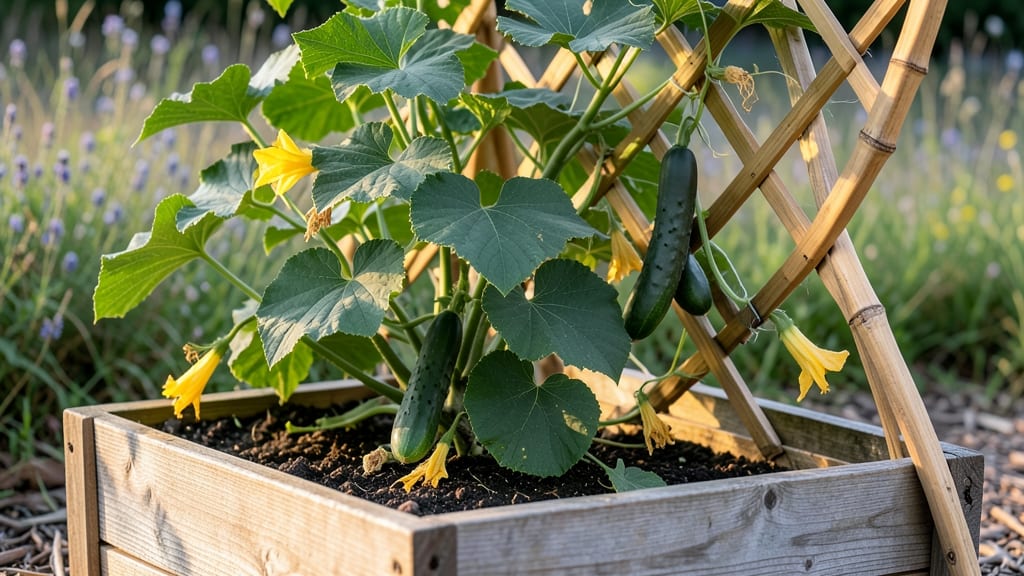
Growing cucumbers in planter boxes turns tiny spaces into productive green machines. 🌱 I’ve watched vines sprawl across 4-foot boxes, producing crisp cucumbers in just 55 days—no backyard needed. The key lies in variety selection, container size, and a few simple tricks that prevent the most common container-grown failures.
Most gardeners overlook drainage and soil depth, which are critical for cucumbers. A 12-inch-deep box with holes in the bottom mimics ideal growing conditions, while compact bush varieties like ‘Bush Champion’ or ‘Spacemaster’ thrive where sprawling types fail. The right setup eliminates floppy vines and poor fruit set.
By mid-summer, you’ll be harvesting 10-15 cucumbers per plant weekly, their skin still dusted with morning dew. The secret? Consistent watering, a balanced fertilizer, and a small trellis to keep vines off the ground—no more soggy fruit or powdery mildew. This method works for balconies, patios, or even sunny windowsills.
Let’s break down the exact steps to turn your planter into a cucumber powerhouse.
📚 In This Guide
- What you need
- Instructions
- Tips and common mistakes
- Wrapping up and next steps
What you need
- ● Planter Box: At least 12–18 inches deep and 3–4 feet wide (per 2–3 plants). Use wood, plastic, or fabric (ensure drainage holes are present!).
- ● High-Quality Potting Soil: 1–2 cubic feet per plant. Opt for a well-draining, organic mix (e.g., 60% potting soil + 40% compost).
- ● Cucumber Seeds or Seedlings: Seeds: 2–3 seeds per plant (choose bush varieties like 'Bush Champion' or 'Spacemaster').
- ● Seedlings: 1–2 plants per box (transplant when soil is warm, ~60°F+).
- ● Compost or Fertilizer: Balanced 10-10-10 or organic options (e.g., worm castings, fish emulsion). Add 1 cup per plant at planting.
- ● Mulch: Straw or shredded leaves (2–3 inches thick) to retain moisture and suppress weeds.
- ● Watering Can or Hose: With a gentle spray nozzle to avoid disturbing soil.
- ● Garden Gloves – Protect your hands from soil and thorns.
- ● Trellis or Cage – For vertical varieties (e.g., 'Straight Eight'), use a 4–6 foot tall structure.
- ● Pruning Shears – To trim excess vines or yellow leaves.
- ● pH Test Kit – Ensure soil pH is 6.0–6.8 (ideal for cucumbers).
- ● Row Cover or Shade Cloth – Protect young plants from pests or intense sun.
- ● Sunlight: Full sun (6–8+ hours daily). Choose a south-facing spot if possible!
- ● Drainage: Ensure your planter box has holes at the bottom and sits on a drip tray or elevated surface.
- ● Warm Soil: Wait until nighttime temps stay above 50°F (10°C) before planting.
- ● Space: Leave 12–24 inches between plants (depending on variety).
Step-by-step instructions for growing cucumbers in planter boxes
Here's how to coax those vigorous vines and sweet cucumbers into your containers—no sprawling garden needed.
🪴 Step 1: Build or Select the Right Planter Box
Cucumbers need at least 12 inches deep and 18 inches wide per plant to support their sprawling roots and heavy vines. I use 6-inch deep boxes for bush varieties and 18-inch deep boxes for vining types. Add drainage holes if your box lacks them—cucumbers hate soggy feet. Line the bottom with landscape fabric to prevent soil from washing out while still allowing water through.
Fill the bottom third with coarse gravel or broken pottery shards for extra drainage. This layer prevents waterlogging, which causes root rot and stunted growth. For four plants, you'll need about 3 cubic feet of quality potting mix—never garden soil, as it compacts and suffocates roots. Mix in 2 cups of compost per cubic foot of soil to give those hungry vines a nutrient boost from day one.
🌱 Step 2: Plant Seeds or Transplants at the Right Time
Wait until after your last frost date and soil temperatures reach at least 60°F before planting. Sow 2-3 seeds per plant spot, spacing them 1 inch apart—you'll thin later. Plant seeds 1 inch deep in the soil. If using transplants, dig holes twice as wide as the root ball and place them so the top of the root ball sits ½ inch below soil level for stability.
I like to add a handful of worm castings to each planting hole—this jumpstarts microbial activity in the soil, which cucumbers love. After planting, water deeply but gently to avoid disturbing the seeds or roots. The soil should feel moist 2 inches down but not soggy. Cover the box with frost cloth if nighttime temperatures dip below 50°F—cucumbers are tropical and won't tolerate cold snaps.
☀️ Step 3: Provide Support and Optimal Growing Conditions
Install trellises, cages, or stakes immediately after planting—cucumbers grow fast, and their vines can weigh 10+ pounds when laden with fruit. I use 5-foot tall tomato cages for bush varieties and 8-foot tall trellises for vining types. Train the main vine along the support, pruning side shoots to encourage stronger central growth and better air circulation (which prevents disease).
Cucumbers need full sun—6 to 8 hours daily—so place your planter box in the sunnest spot available. If shade is unavoidable, supplement with a grow light for 14 hours daily. Keep the soil consistently moist—about 1 inch of water per week—but never waterlogged. I check moisture by sticking my finger 2 inches deep; if it feels dry, it's time to water. Mulch with straw or shredded leaves to retain moisture and keep roots cool.
💧 Step 4: Fertilize and Prune for Maximum Yield
Feed your cucumbers every 2 weeks with a balanced, water-soluble fertilizer (like 10-10-10) mixed at half-strength. Over-fertilizing leads to leafy growth at the expense of fruit, so I always follow the label instructions. When vines reach the top of their support, pinch off the tip of the main stem to encourage bushier growth and more fruit production. Remove any yellowed or diseased leaves immediately to prevent spread.
Watch for male and female flowers—female flowers have a tiny cucumber at their base, while males don’t. Hand-pollinate by gently shaking the trellis in the morning to distribute pollen. If bees aren’t visiting, use a small paintbrush to transfer pollen from male to female flowers. Harvest cucumbers when they’re 6 to 8 inches long for the best flavor—overripe cucumbers turn bitter and attract pests.
⏰ Step 5: Maintain and Harvest for Continuous Production
Pick cucumbers every 2-3 days to encourage more production. A neglected vine will focus energy on fewer, larger fruits instead of producing steadily. I harvest early in the morning when cucumbers are cool and crisp—this preserves their quality. Use pruning shears to cut stems ¼ inch above the fruit to avoid damaging the vine.
As the season progresses, side-dress with compost every 4-6 weeks to replenish nutrients. If vines slow down, give them a light trim to remove any dead or yellowing leaves and redirect energy to healthy growth. By mid-summer, your planter box should be a lush, productive jungle of vines and cucumbers. With proper care, you’ll enjoy a steady harvest for 55 days or more—long after store-bought cucumbers have lost their flavor.
Tips & tricks for thriving planter box cucumbers
Here's what I've learned from years of growing cucumbers in containers—these details make all the difference between scrappy plants and a bountiful harvest.
Soil Depth Matters: Don't be tempted to skimp on depth for bush varieties. While the instructions call for 6-inch boxes, I've found that adding an extra 2 inches of soil (for a total of 8 inches) gives roots more room to spread, especially in hot weather. This extra space prevents roots from circling and becoming root-bound, which directly impacts fruit production. The deeper roots also help plants access moisture during dry spells.
Sunlight Strategy: Those 6-8 hours of sunlight are non-negotiable, but here's the trick: position your planter box to catch morning sun and afternoon shade if possible. Cucumbers thrive in the 60-80°F range, and afternoon shade in hot climates prevents stress that can lead to bitter fruit. If you must supplement with grow lights, use full-spectrum LED bulbs that mimic natural sunlight—the cheap white bulbs can actually stress plants by emitting too much blue light.
Watering Wisdom: The 1-inch-per-week guideline works, but timing is everything. Water deeply in the morning so leaves have time to dry before evening, reducing disease risk. I've found that using a soaker hose or drip irrigation system delivers water right to the roots without wetting foliage. For planter boxes, water until you see it running out the drainage holes—this ensures thorough saturation without overwatering.
Support System: Install your trellises or cages immediately after planting, not waiting for vines to get established. Cucumbers grow aggressively, and their vines can reach 20 feet in a season if left unchecked. I've had vines snap under the weight of fruit when transferred to supports later. For bush varieties, use sturdy 5-foot cages that can handle 10+ pounds of cucumbers. For vining types, add a second trellis as vines grow to prevent overcrowding.
Pro Tips for Planter Box Cucumbers
- Here's what I've learned from years of growing cucumbers in containers—these details make all the difference between scrappy plants and a bountiful harvest.
- Soil Depth Matters: Don't be tempted to skimp on depth for bush varieties.
- Sunlight Strategy: Those 6-8 hours of sunlight are non-negotiable, but here's the trick: position your planter box to catch morning sun and afternoon shade if possible.
Frequently asked questions
Got questions about growing cucumbers in Planter Boxes? You’re not alone!
Here are answers to the most common queries to help you grow a thriving, productive harvest with ease.
How deep should a Planter Box be for cucumbers?
Cucumbers need 12–18 inches of soil depth to support their sprawling roots and heavy vines. A standard Planter Box (10–12 inches deep) works for bush varieties, but deeper boxes (18+ inches) are ideal for vining types. If your box is shallow, add a raised bed liner or extra compost to boost root space.
When is the best time to plant cucumbers in a Planter Box?
Wait until after the last frost when soil temps hit 60°F+ (use a soil thermometer to check!). For cooler climates, start seeds indoors 4–6 weeks before transplanting or opt for cold-hardy varieties like ‘Northern Pickling’. In warm zones, plant in early spring or late summer to avoid heat stress.
Can I grow cucumbers in a Planter Box without trellising?
Yes, but expect smaller yields and messier vines. Bush varieties (like ‘Bush Champion’) stay compact, but vining types will sprawl. If space is tight, use a small trellis or cage (even a DIY wire frame) to save room and improve airflow, reducing disease risk.
Why are my Planter Box cucumbers turning yellow or wilting?
Yellowing leaves often signal overwatering, underwatering, or pests. Check soil moisture—cucumbers need 1–2 inches of water weekly (more in heat). Wilting can also mean aphids, cucumber beetles, or powdery mildew. Spray with neem oil, use row covers, or prune affected leaves. Ensure good drainage to prevent root rot!
What can I plant with cucumbers in a Planter Box to improve growth?
Try companion planting! Pair cucumbers with:
- Nasturtiums (repel pests)
- Bush beans (fix nitrogen in soil)
- Marigolds (deter beetles)
- Dill or radishes (attract pollinators)
Wrapping up and next steps
Growing planter box cucumbers is a rewarding journey that delivers fresh, homegrown produce in just 55 days—perfect for small spaces and busy gardeners! With the right container setup, soil mix, and care, you’ll enjoy bushy vines, prolific harvests, and crisp cucumbers straight from your balcony or patio. 🌱
Ready to dive in? Grab your supplies, follow the steps, and watch your green thumb shine! Start small, experiment with varieties, and soon you’ll be sharing your bounty with friends—or savoring them in your favorite summer dishes. Happy planting! 🌞