
Vegetables
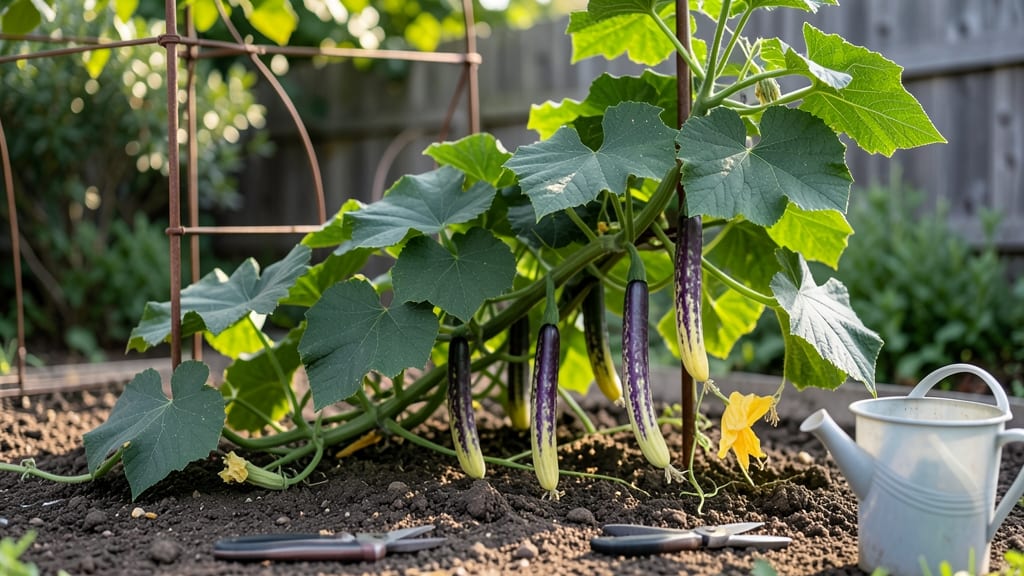
Growing Painted Serpent cucumbers feels like watching a living work of art climb your trellis. 🌿 These striped beauties aren't just stunning—they produce crisp, sweet fruit in just 60 days, making them perfect for impatient gardeners.
I planted mine last spring, and by early summer, my fence was covered in vines and the kitchen was stocked with fresh cucumbers. The secret to success starts with fertile soil and a sturdy trellis—these cucumbers love to climb.
They need full sun (at least 6-8 hours daily) and consistent moisture, but don’t overwater or you’ll risk mildew. I’ve found that mulching helps keep the soil evenly moist while discouraging weeds. Once established, these vines grow aggressively, so pruning is key.
Pinch off early flowers to encourage bushier growth, and harvest regularly to keep production steady. The fruit themselves are striped green with white, about 8 inches long, and taste like a cross between a classic slicing cucumber and a sweet gherkin.
If you’ve ever wanted a dramatic, productive plant that doubles as a garden centerpiece, Painted Serpent cucumbers deliver. They’re also disease-resistant compared to other varieties, so you’ll spend less time fighting pests and more time enjoying the harvest.
📚 In This Guide
- What you need
- Instructions
- Tips and common mistakes
- Wrapping up and next steps
What you need
- ● Seeds: 3–5 Painted Serpent cucumber seeds (or 1–2 seedlings if starting with transplants). Choose organic or heirloom seeds for best results.
- ● Containers or Garden Space: For Containers: 5-gallon pots or larger (at least 12" deep) with drainage holes. Use 3–4 containers per plant for pole climbing.
- ● For In-Ground: A sunny spot (6+ hours of sunlight) with well-draining soil. Space plants 12–18 inches apart in rows 3–4 feet apart.
- ● Growing Medium: Potting mix (lightweight, well-draining) or
- ● Garden soil amended with 2–3 inches of compost and a handful of perlite or vermiculite.
- ● Support Structure: Trellis, stakes, or netting (at least 6–8 feet tall) to encourage vertical growth and improve air circulation.
- ○ Optional: Cucumber cages or spirals for smaller spaces.
- ● Fertilizer: Balanced organic fertilizer (e.g., 5-5-5 or 10-10-10) or compost tea for a nutrient boost.
- ○ Optional: Slow-release granular fertilizer (follow package instructions).
- ● Basic Gardening Tools: Trowel or hand shovel
- ● Pruning shears (for trimming vines)
- ● Gloves (to protect hands from thorns)
- ● Watering Supplies: Watering can or hose with a gentle spray nozzle (avoid wetting leaves to prevent disease).
- ○ Optional: Drip irrigation system for consistent moisture.
- ● Prerequisites: Warm soil temperatures (60°F+)—wait until after the last frost date in your area.
- ● Access to water (cucumbers need 1–2 inches of water per week).
Step-by-step instructions for growing Painted Serpent cucumbers
Here's how to coax these stunning vines into producing those signature striped cucumbers—fast and with minimal fuss.
🌱 Step 1: Start Seeds Indoors 3-4 Weeks Before Last Frost
Painted Serpent cucumbers thrive when started indoors because their vines grow aggressively from the get-go. Fill 2-3 inch deep seedling trays with sterile seed-starting mix (never garden soil—it's too dense). Press the mix down gently to eliminate air pockets, then moisten until it holds together when squeezed but doesn't drip.
Plant 2-3 seeds per cell at a depth of ½ inch. The reason for multiple seeds is that germination rates can be unpredictable, and you want at least one strong seedling per cell. Cover lightly with additional mix, then mist the surface with a spray bottle until evenly damp. Place the tray in a warm spot—75-85°F is ideal—and cover with a humidity dome or plastic wrap.
☀️ Step 2: Provide Bright Light and Transplant After True Leaves Form
Once seeds sprout (typically 5-10 days), remove the cover immediately to prevent damping-off. Painted Serpent seedlings need 14-16 hours of light daily—a south-facing window rarely provides enough intensity, so supplement with a grow light positioned 2-4 inches above the plants. You'll see leggy growth if the light is too far away, so keep it close.
When seedlings develop their first true leaves (the second set after the initial cotyledons), transplant the strongest one to a 5-inch pot with fresh potting mix. Harden off the seedlings over 7-10 days by gradually increasing outdoor exposure, then plant outdoors 2 weeks after last frost when soil reaches 60°F.
🪴 Step 3: Plant Near a Sturdy Trellis or Pole
Painted Serpent cucumbers are vigorous climbers, so install a 6-foot trellis or sturdy bamboo pole at least 12 inches from the planting site before transplanting. These vines can reach 15-20 feet if unchecked, but proper support keeps them organized and prevents disease. Plant seeds 1 inch deep and 6 inches apart in well-draining soil amended with compost.
Water deeply at planting to settle the soil, then maintain 1 inch of moisture weekly—consistent hydration prevents bitter fruit. Mulch around the base with 2-3 inches of straw to retain moisture and suppress weeds. The moment vines reach the trellis, gently weave them through the support to encourage upward growth.
✂️ Step 4: Prune and Harvest for Continuous Production
Painted Serpent cucumbers produce best with regular pruning to redirect energy into fruit rather than foliage. Once vines reach 6 feet tall, pinch back the main stem to encourage lateral branches. Remove any suckers (side shoots) that form below the first flower cluster—these divert energy from fruit production. You'll know it's working when you see 3-5 main vines thriving instead of a tangled mess.
Harvest cucumbers when they reach 6-8 inches long—any longer and they become seedy and bitter. Use pruning shears to cut the fruit cleanly from the vine, leaving a ½ inch stem attached. This encourages the plant to produce more flowers and fruit. With proper care, you'll get 2-3 harvests per week once vines are established, and the striped pattern will be most vibrant on young cucumbers.
Tips & tricks for growing Painted Serpent cucumbers
Took me a while to figure these out, so here goes—these tricks will help you grow cucumbers that look like they belong in a botanical garden.
Germination Environment: The 75-85°F temperature range for germination is non-negotiable, but I've found that placing the seedling tray on top of a refrigerator (not inside) creates a perfect warm spot without needing a heat mat. Just make sure the top isn't too hot—you want consistent warmth, not heat spikes. If your kitchen stays cooler than 70°F, consider using a seedling heat mat for the first 7-10 days to ensure reliable germination.
Lighting Strategy: That 14-16 hours of daily light is crucial, but don't assume your grow light needs to stay on constantly. I use a timer to automatically turn it on at 6 AM and off at 8 PM, which saves energy and mimics natural daylight cycles. If you notice seedlings stretching toward the light (leggy growth), lower the light source to within 2 inches of the tallest seedlings—just don't let the leaves touch the bulb, or you'll scorch them.
Transplanting Timing: The 7-10 day hardening-off period is your chance to prepare seedlings for outdoor life. Start with just 30 minutes outside on day one, then gradually increase exposure. I've found that moving seedlings to a shaded outdoor spot during the day and bringing them back inside at night works best. This slow acclimation prevents shock and gives you stronger plants ready for the garden. Also, make sure to transplant on an overcast day or in the late afternoon to avoid stress from direct sunlight.
Support System: That 6-foot trellis might seem tall, but trust me—it's not enough for Painted Serpent cucumbers. I recommend installing a 8-foot trellis or using two connected bamboo poles to give vines room to climb. The moment vines reach the trellis, gently weave them through the support using soft plant ties. This encourages upward growth and prevents the vines from sprawling, which can lead to disease. Think of it as giving your cucumbers a jungle gym rather than a single ladder.
Pro Tips for Painted Serpent Cucumber
- Took me a while to figure these out, so here goes—these tricks will help you grow cucumbers that look like they belong in a botanical garden.
- Just make sure the top isn't too hot—you want consistent warmth, not heat spikes.
- Lighting Strategy: That 14-16 hours of daily light is crucial, but don't assume your grow light needs to stay on constantly.
Frequently asked questions
Got questions about growing painted serpent cucumbers? You’re not alone! Here are some of the most common queries—plus quick answers to help you cultivate these striking vines like a pro.
What makes painted serpent cucumbers different from regular cucumbers?
These cucumbers are prized for their visual drama—striped, serpentine patterns in shades of green, yellow, and white! While they share the same crunchy texture and mild flavor as standard cucumbers, their unique appearance makes them a garden showstopper. They’re also pole-climbing varieties, so they’ll need vertical support to thrive.
How long does it take for painted serpent cucumbers to mature?
Expect a fast harvest! From seed to fruit, these cucumbers typically mature in 55–65 days—perfect for impatient gardeners. With the right conditions (warm soil, consistent water, and full sun), you could be snacking on your own striped cucumbers in under two months!
Do painted serpent cucumbers need special watering?
Not special, but consistent! These cucumbers love 1–2 inches of water per week, especially during flowering and fruiting. Avoid wetting the leaves to prevent disease, and water at the base in the morning for best results. Drip irrigation or soaker hoses work wonders for pole climbers.
Can I grow painted serpent cucumbers in containers?
Since they’re pole-climbing, opt for a large container (at least 5 gallons) with vertical trellis support. Use a lightweight potting mix and ensure it drains well. Just be prepared to hand-pollinate if bees are scarce—give the flowers a gentle shake in the morning!
What pests or diseases should I watch for?
Keep an eye out for cucumber beetles (they love these vines!) and powdery mildew in humid climates. Use row covers early in the season to deter beetles, and space plants for airflow to reduce mildew. Neem oil or insecticidal soap can also help if problems arise.
What can I do if my painted serpent cucumbers stop producing?
Low fruit production often stems from heat stress, poor pollination, or overcrowding. Try these fixes:
- Hand-pollinate flowers with a paintbrush.
- Prune lower leaves to improve airflow.
- Water deeply during dry spells.
- Fertilize lightly with compost or a balanced 10-10-10 mix.
Wrapping up and next steps
Growing painted serpent cucumbers is a rewarding journey that brings vibrant color and delicious harvests to your garden in just 60 days! 🌱 With the right soil, support, and care, these striking vines will thrive—adding both beauty and flavor to your meals.
Whether you're a seasoned gardener or a beginner, their fast growth and unique stripes make them a fantastic choice for small spaces or container gardens.
Ready to dive in? Start by gathering your supplies, then plant your seeds with confidence. Soon, you’ll be savoring homegrown cucumbers that are as visually stunning as they are tasty. Happy growing! 🌿