
Pests and Diseases
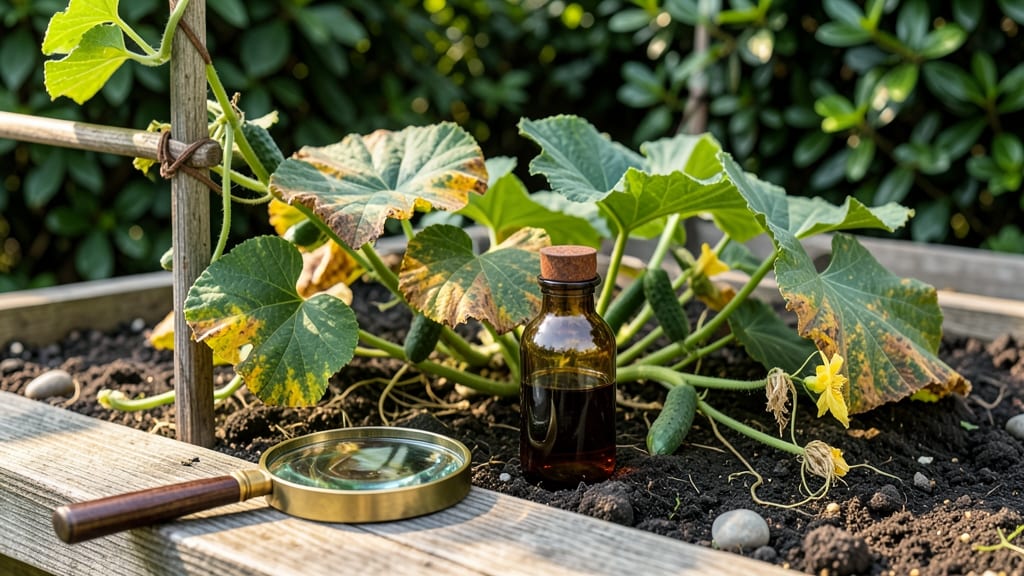
Orange spots on cucumber leaves are your first warning that fungal blight is moving in—unless you act fast. 🌱 I’ve seen this turn a thriving vine into a sad, yellowing mess in just two weeks, but copper spray stopped it dead in its tracks last summer.
The key is catching it early and using the right treatment before the spots spread to fruit.
Most of these spots start as tiny yellow freckles that turn orange-brown and fuzzy (that’s powdery mildew) or water-soaked and greasy (bacterial spot). Overhead watering and crowded plants create the perfect breeding ground—humid mornings and evenings make it worse.
The good news? Copper spray works on both fungal and bacterial issues, and it’s safe for edible plants once it dries.
You’ll see new growth emerge within days of treating, with leaves staying crisp and green instead of crumbling. The spray also prevents future outbreaks if you apply it every 7-10 days during humid weather.
For bad spots, snip off affected leaves (sterilize your pruners first!) to keep the plant focused on recovery.
This method works for cucumbers, squash, and melons—any vine crop fighting spots. The secret is combining copper spray with proper spacing (12-24 inches apart) and watering at the base, never overhead. Let’s get those vines back to producing like champions.
Root Causes Behind Leaf Spots
When you spot those unsightly orange patches on your cucumber leaves, it’s usually a sign of a fungal infection—or sometimes even environmental stress—working against your plants. Understanding the why behind these spots is the first step to stopping them in their tracks.
Below, we break down the most common triggers, backed by science and actionable insights.
Fungal diseases are the most frequent cause of orange or rust-colored spots on cucumber leaves. These pathogens thrive in warm, humid conditions and can spread rapidly if left unchecked. Here’s how they take hold:
- Cucumber Scab (Cladosporium cucumerinum) – This fungus causes rough, crusty orange-brown spots on leaves, often with a yellow halo. It thrives in cool, wet conditions and can survive in soil or plant debris for years.
- Alternaria Leaf Spot (Alternaria cucumerina) – These spots start small and darken to orange or brown with concentric rings. High humidity and overhead watering create the perfect breeding ground.
- Powdery Mildew (Podosphaera xanthii) – While it typically appears as white powder, severe infections can lead to orange-brown discoloration as the fungus weakens leaf tissue.
🔬 Why it happens: Fungal spores land on leaves, germinate in moisture, and penetrate through natural openings (like stomata). Poor air circulation, dense plantings, and wet foliage accelerate their growth.
Not all orange spots are fungal—sometimes, your cucumbers are sending distress signals due to environmental factors. Here’s how heat, water, or light issues contribute:
| Factor | How It Causes Spots | Signs to Watch For |
|---|---|---|
| 🔥 Excessive Heat Stress | High temperatures (>90°F/32°C) can cause sunscald, leading to yellow-orange patches, especially on leaves exposed to direct sunlight. | Spots appear on upper leaves; edges may crisp or curl. |
| 💧 Overwatering or Poor Drainage | Waterlogged soil restricts oxygen, leading to root rot and nutrient deficiencies. Leaves may develop orange spots as a symptom of stress. | Yellowing between veins (chlorosis) + soft, mushy stems. |
| ☀️ Nutrient Deficiencies (Magnesium/Potassium) | Lack of magnesium causes interveinal chlorosis (orange/yellow patches between veins), while potassium deficiency leads to brown, dead spots. | Older leaves show symptoms first; edges may brown. |
💡 Pro Tip: If spots appear suddenly after a heatwave or heavy rain, rule out environmental causes first—often, adjusting care (like mulching or shading) can reverse the damage.
While pests like aphids or spider mites don’t directly cause orange spots, their feeding weakens leaves, making them vulnerable to secondary fungal infections. Here’s the connection:
- Sap-Sucking Pests (Aphids, Whiteflies) – Their saliva disrupts leaf cells, creating entry points for fungi. Infested plants often develop yellow-orange spots within days.
- Cucumber Beetles – These striped pests transmit bacterial wilt and fungal spores while feeding. Their scratches leave leaves prone to infection.
🔬 Why it happens: A single pest outbreak can trigger a cascade—weakened leaves + moisture = fungal feast. Act fast: Knock off pests with a strong spray of water or use neem oil to break the cycle.
✨ Key Takeaway: Most orange spots stem from fungal infections, but environmental stress or pests can mimic the symptoms. Identify the root cause (check leaf undersides for spores, monitor weather patterns, or inspect for pests) to treat the problem at its source.
Fixing Fungal Blight on Cucumbers
Once you’ve identified the cause of those pesky orange spots on your cucumber leaves—whether it’s cucumber scab, powdery mildew, or bacterial blight—it’s time to take action! The good news?
Most fungal and bacterial issues are treatable with the right approach. Below, we’ve broken down practical, step-by-step solutions tailored to each culprit, plus prevention tips to keep your plants thriving.
🔥 Cause: Cladosporium or Didymella bryoniae thrive in wet, humid conditions, leaving crunchy, orange-brown spots.
🛡️ Step-by-Step Treatment
- 🌿 Remove Infected Leaves
- Snip off severely spotted leaves with sterilized pruners (wipe with rubbing alcohol between cuts).
- Dispose of them in the trash (not compost)—don’t let spores spread!
- 💦 Apply Copper-Based Fungicide
- Use copper spray (like Copper Soap or Bordeaux Mixture)—it’s a natural antibacterial and antifungal.
- How to mix: Follow label instructions (typically 1–2 tbsp per gallon of water).
- Spray thoroughly on both leaf surfaces, focusing on undersides where spores hide.
- Reapply every 7–10 days until new growth appears.
- 🌡️ Improve Airflow & Reduce Humidity
- Space plants 18–24 inches apart to prevent crowding.
- Water at soil level (avoid overhead sprinkling) in the early morning so leaves dry by night.
- Use a fan on low setting near plants to circulate air.
- 🌱 Boost Plant Health
- Feed with a balanced fertilizer (10-10-10) to strengthen defenses.
- Mulch with straw to keep soil moist (but not soggy) and prevent splashing spores.
💡 Prevention Tips
- Rotate crops—don’t plant cucumbers in the same spot next year.
- Solarize soil in fall (cover with clear plastic for 4–6 weeks) to kill fungal spores.
- Choose resistant varieties like ‘Straight Eight’ or ‘Lemon Cucumber.’
🔥 Cause: Podosphaera xanthii loves warm, dry conditions, creating white powdery patches that turn orange-brown.
🧼 Step-by-Step Treatment
- 🚿 Wash Leaves with Soapy Water
- Mix 1 tbsp mild dish soap + 1 gallon water in a spray bottle.
- Spray directly on mildew—the soap disrupts spores.
- Repeat every 3–5 days until cleared.
- 🍓 Use Baking Soda Spray (Homemade Fix!)
- 1 tsp baking soda + 1 quart water + few drops of soap (helps it stick).
- Spray early in the day to avoid leaf burn.
- Reapply weekly as a preventive measure.
- 🌿 Prune for Better Airflow
- Trim overlapping leaves and remove debris around plants.
- Stake or trellis cucumbers to keep foliage off the ground.
- 🌞 Prevent with Sunlight
- 6+ hours of direct sun per day inhibits mildew growth.
- Avoid nighttime watering—wet leaves overnight = mildew party.
💡 Prevention Tips
- Plant mildew-resistant varieties like ‘Armenian’ or ‘Marketmore 76’.
- Interplant with marigolds—their scent repels mildew spores.
- Avoid overhead irrigation—use drip lines instead.
🔥 Cause: Pseudomonas syringae spreads via water, wind, or tools, causing spots that ooze and turn orange.
⚔️ Step-by-Step Treatment
- 🗑️ Destroy Infected Plants Immediately
- Do NOT compost—bag and trash entire plants to stop spread.
- Sterilize tools with bleach or alcohol after pruning.
- 💧 Adjust Watering Practices
- Water deeply but infrequently—avoid shallow, frequent sprinkles.
- Use a soaker hose to keep foliage dry.
- 🛡️ Apply Copper or Antibacterial Spray
- Copper fungicide (as above) works here too—it’s antibacterial.
- Alternative: Neem oil (1 tbsp per gallon) disrupts bacterial cell walls.
- Spray every 5–7 days until symptoms fade.
- 🌱 Strengthen Soil Health
- Add compost to improve drainage and plant resilience.
- Avoid nitrogen-heavy fertilizers—they promote lush (but weak) growth.
💡 Prevention Tips
- Rotate crops—wait 3 years before replanting cucumbers in the same spot.
- Use disease-free seeds from reputable suppliers.
- Disinfect hands/tools between plants to avoid cross-contamination.
If your plants are heavily infected and treatment seems slow:
- 🍄 Try a hydrogen peroxide spray (1 tbsp 3% H₂O₂ per gallon of water) to kill surface spores.
- 🌿 Cover plants with row fabric for 2–3 days to trap humidity and speed up drying.
- 🔄 Replace contaminated soil if blight persists (mix in compost + perlite to improve drainage).
- Check leaves daily for new spots—early action is key!
- Rotate treatments (e.g., copper one week, neem the next) to prevent resistance.
- Harvest early—if fruit is spotted, pick it before it spreads to other plants.
With these fixes, your cucumbers should bounce back in 2–4 weeks. Stay vigilant, and soon you’ll be enjoying spot-free, crisp cucumbers straight from your garden! 🥒🌱
Frequently asked questions
Are orange spots on cucumber leaves always caused by disease?
Not always! While fungal infections like powdery mildew or bacterial blight are the most common causes, environmental stress can mimic these symptoms. Check for heat stress (orange patches on sun-exposed leaves) or nutrient deficiencies (magnesium/potassium shortages cause yellow-orange patches between veins). If spots appear suddenly after extreme weather, adjust care first before treating for disease.
Can I still eat cucumbers if the leaves have orange spots?
Only if the spots are on leaves, not the fruit. The disease causing leaf spots rarely spreads to cucumbers themselves, but always inspect fruits for signs of infection before eating. If you see spots on the cucumbers, remove them immediately and treat the plant to prevent further spread. Healthy leaves = healthier fruit production.
How often should I apply copper spray for prevention?
For prevention, apply copper spray every 7-10 days during humid weather or when you notice early signs of stress. If treating an active infection, follow the label instructions (typically more frequent applications). Always spray in the early morning so leaves have time to dry, which helps prevent fungal growth.
Will removing infected leaves actually help?
Removing severely spotted leaves stops the spread of spores and redirects the plant's energy to healthy growth. Always use sterilized pruners and dispose of infected leaves in the trash (not compost) to prevent reinfection. This simple step can make a huge difference in recovery time.
Are there organic alternatives to copper spray?
Yes! Try a baking soda spray (1 tsp baking soda + 1 quart water + few drops of soap) for powdery mildew, or neem oil (1 tbsp per gallon) for bacterial issues. Hydrogen peroxide (1 tbsp 3% per gallon) also works well as a surface disinfectant. Rotate treatments to prevent resistance - copper one week, organic spray the next.