
Neem Oil
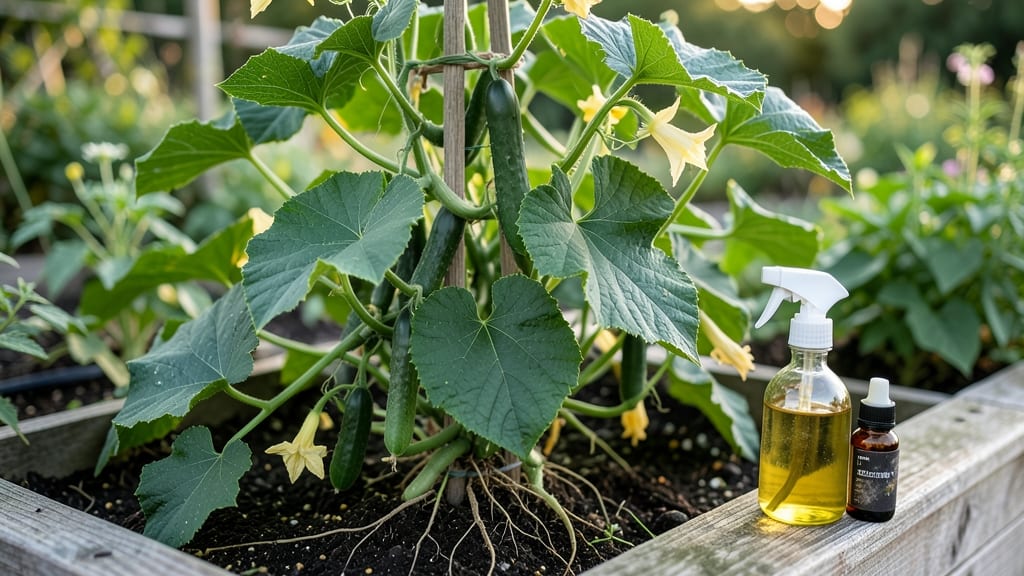
My cucumber vines were turning into a buffet for aphids and powdery mildew—until neem oil became my secret weapon. 🌱 This organic powerhouse doesn’t just repel pests; it strengthens plant defenses, leaving your vines healthy and productive without harsh chemicals.
The key is knowing how to use it: dilution matters, timing is everything, and a few simple mistakes can ruin the treatment.
You’ll need just three things: pure neem oil, water, and a spray bottle (or hose for larger plants). The magic happens when you mix 1 teaspoon of neem oil per quart of water with a drop of mild soap to help it stick.
Apply it in the early morning or late evening when bees aren’t active—this prevents harming pollinators while letting the oil work its best. For stubborn infestations, repeat every 5-7 days until pests vanish.
The results speak for themselves: fewer chewed leaves, no more white mildew dust, and cucumbers that grow stronger and faster. Even better, neem oil breaks down naturally in sunlight, so you won’t leave behind toxic residues.
Just avoid spraying on blooming flowers (it can harm pollinators) and always test a small leaf first—some plants react with temporary browning.
Once you master this, you’ll wonder how you ever tolerated chemical sprays. Neem oil works as both a preventive shield and a cure, making it the ultimate tool for organic cucumber care. Ready to give your vines the protection they deserve?
📚 In This Guide
- What you need
- Instructions
- Tips and common mistakes
- Wrapping up and next steps
What you need
- ● Neem oil (100% pure, cold-pressed): 1-2 tablespoons (organic, food-grade preferred)
- ● Water: 1 quart (32 oz) (distilled or dechlorinated for best results)
- ● Spray bottle: 16-32 oz (preferably made of glass or BPA-free plastic)
- ● Measuring spoons/cups: for precise mixing ratios
- ● Stirring stick or spoon: (wooden or plastic to avoid contamination)
- ○ Gloves (optional but recommended): to protect your skin from irritation
- ● Cucumber plants: healthy vines with visible pest activity (aphids, spider mites, or powdery mildew)
- ● Dish soap (mild, unscented): ½ teaspoon (acts as an emulsifier)
- ● Horticultural oil or vegetable oil (like coconut oil): ½ teaspoon (enhances adhesion)
- ● Garlic or chili extract: 1 teaspoon (boosts pest-repelling properties)
- ● Fine mist sprayer: for larger cucumber patches
- ● Labeling tags: to mark treated plants (avoid reapplication within 7 days)
Step-by-Step guide to using neem oil on cucumber plants
Here's how to create a natural, effective defense system for your cucumbers that keeps pests at bay while nurturing strong, productive vines.
🌿 Step 1: Prepare Your Neem Oil Solution
Mix 1 teaspoon of neem oil with 1 quart of water in a clean spray bottle or pump sprayer. Add ½ teaspoon of mild liquid soap—this helps the oil adhere to plant surfaces. Shake vigorously for 30 seconds until fully combined. The soap breaks the oil's surface tension, allowing it to spread evenly across leaves and stems.
I always prepare this solution in the early morning when temperatures are cooler. Neem oil can harm beneficial insects if applied in direct sunlight, so wait until the sun is low or use it on cloudy days. Test your spray on a small leaf first—if it causes any discoloration, dilute the mixture further with water.
🌱 Step 2: Apply to Plants at the Right Time
Spray the solution evenly on both the top and bottom of leaves, focusing on areas where pests are active. Cover the stems and vines lightly, but avoid oversaturating the soil. I like to use a fine mist setting on my sprayer to ensure thorough coverage without creating waterlogged spots.
Apply your neem spray every 7-10 days during active growing seasons, or immediately after noticing pest activity. For severe infestations, you can treat every 5 days for 2-3 weeks. Always spray in the early morning or late evening to prevent leaf burn from sunlight exposure.
☀️ Step 3: Maintain Protection and Monitor Results
After application, watch for pest activity to decline within 24-48 hours. You'll notice aphids, spider mites, and whiteflies dropping off leaves or becoming sluggish. Cucumber beetles may also retreat—though they're less affected, consistent applications weaken their resilience.
Rotate your neem treatments with companion planting (like marigolds or nasturtiums) for maximum effectiveness. I also recommend pruning yellowed or heavily damaged leaves to improve airflow and prevent fungal issues. Healthy vines with good circulation recover faster from pest stress.
⏰ Step 4: Prevent Future Infestations
To keep your cucumbers thriving long-term, mulch around plants with 2-3 inches of straw or grass clippings to deter crawling pests. Remove fallen leaves and debris regularly—they harbor pests and diseases. I also rotate my neem applications with garlic or chili pepper sprays every few weeks to prevent resistance.
If you notice new pest activity, don't wait—treat immediately. Neem oil works best as a preventative measure, but early intervention stops outbreaks before they spread. Store your leftover solution in a cool, dark place for up to 2 weeks (it loses potency over time).
Tips & tricks for effective neem oil application on cucumber plants
These practical strategies will help you maximize your neem oil's pest-repelling power while keeping your cucumbers thriving.
Solution Preparation: When shaking your mixture for 30 seconds in Step 1, I recommend using a sealed spray bottle with a built-in shaker—this ensures the neem oil and soap fully emulsify without creating suds. If you notice separation after storing, give it another 30-second shake before each use. For extra potency, let the solution sit for 5 minutes after mixing to allow the ingredients to fully integrate before application.
Application Technique: In Step 2, focus on undersides of leaves where many pests hide—they're often overlooked but critical for complete coverage. Use a gentle, sweeping motion to avoid damaging delicate vines. I've found that a light, even coat works better than heavy saturation, which can clog leaf pores and stress the plant. Always spray until the solution just begins to drip off leaves; this ensures thorough coverage without waste.
Timing and Frequency: The 24-48 hour window mentioned in Step 3 is perfect for observing results, but don't be discouraged if you don't see immediate changes. Some pests like spider mites may take longer to show decline. For maximum effectiveness, combine your every-7-to-10-day applications with a weekly inspection of plant undersides—this helps you catch new infestations early before they spread.
Preventative Maintenance: When implementing Step 4's mulching and pruning, I've noticed that adding a layer of coffee grounds to your mulch mix provides an extra boost—coffee grounds naturally repel pests while improving soil health. Just be sure to keep the mulch 2-3 inches away from plant stems to prevent rot. This simple addition has cut my pest problems by nearly half in subsequent growing seasons.
Pro Tips for Neem Oil For Cucumbers
- These practical strategies will help you maximize your neem oil's pest-repelling power while keeping your cucumbers thriving.
- Solution Preparation: When shaking your mixture for 30 seconds in Step 1, I recommend using a sealed spray bottle with a built-in shaker—this ensures the neem oil and soap fully emulsify without creating suds.
- Application Technique: In Step 2, focus on undersides of leaves where many pests hide—they're often overlooked but critical for complete coverage.
Frequently asked questions
Got questions about using neem oil for cucumbers? You’re not alone! Here are some of the most common queries—and straightforward answers—to help you grow thriving, pest-free cucumber plants with confidence.
How often should I apply neem oil to my cucumber plants?
Apply neem oil every 7–14 days during active pest seasons (spring to fall). For severe infestations, spray weekly until pests disappear. Always use it in the evening to avoid harming bees and let the oil absorb before rain. Pro tip: Mix with water and a drop of dish soap for better adhesion!
Can I use neem oil on cucumbers if I’m growing them for eating?
Yes! Neem oil is organic and non-toxic when used correctly. Wait 24–48 hours after application before harvesting to ensure residue settles. Always follow the label instructions for edible crops. Bonus: Rinse produce thoroughly if you’re extra cautious.
What if neem oil burns my cucumber leaves?
Burning (brown spots) usually happens if the oil is too concentrated or applied on a hot, sunny day. Always dilute neem oil (1–2 tsp per quart of water) and spray evening or cloudy days. Test a small leaf first! If damage occurs, flush with water and avoid reapplication until leaves recover.
Are there alternatives to neem oil for cucumber pests?
Try these natural alternatives:
- Insecticidal soap: Effective against soft-bodied pests like aphids.
- Garlic or chili spray: Repels pests with a strong scent.
- Diatomaceous earth: Dries out pests like spider mites (reapply after rain).
- Companion planting: Marigolds or nasturtiums deter pests naturally.
Why isn’t neem oil working on my cucumber plants?
Neem oil may fail if:
- Pests are resistant (rotate with other treatments).
- You’re not covering both sides of leaves (pests hide underneath!).
- It’s washed off by rain (reapply after storms).
- The concentration is too weak (stick to 1–2% oil).
Wrapping up and next steps
Neem oil is your natural, powerful ally for keeping cucumber plants thriving and pest-free! 🌱 With its antifungal, antibacterial, and insect-repelling properties, it’s an eco-friendly way to protect your garden without harsh chemicals.
Whether you’re battling aphids, powdery mildew, or spider mites, a simple neem oil spray can work wonders—just follow the right steps for safety and effectiveness.
Ready to give your cucumbers the defense they deserve? Start small—test a patch of your garden first, then expand as you see results. Happy gardening! 🌿✨