
Planting
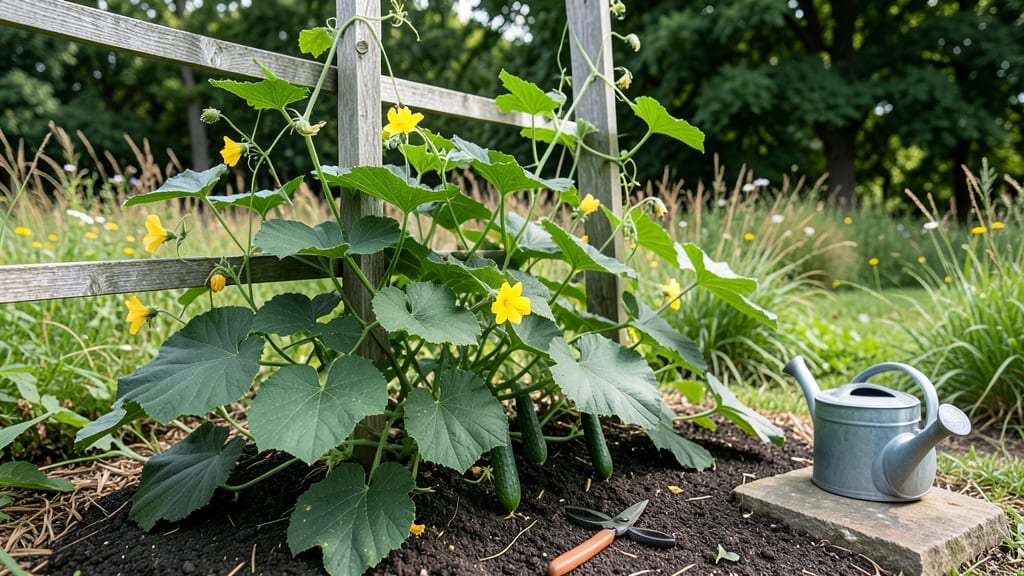
Growing the National Pickling Cucumber means crisp, vine-ripened pickles straight from your garden in just 55 days—no store-bought shortcuts needed. 🌱 I learned the hard way that these bushy plants thrive when planted at the right time and given the perfect mix of sun and water, but once you nail it, you’ll never buy pickling cucumbers again.
The secret starts with well-draining soil and spacing plants 18-24 inches apart—too close, and they’ll fight for sunlight. Plant them after the last frost when soil temps hit 60°F, and watch those vines take off. They’re compact but productive, perfect for small gardens or containers.
Harvest begins when cucumbers reach 3-4 inches long, snipping with pruners to avoid damaging the plant. One vine can yield 10-15 pounds of crisp, uniform pickles—ideal for fermenting. The key? Consistent watering (1-2 inches per week) and a light hand with fertilizer to avoid bitter fruit.
Even in hot climates, these cucumbers stay disease-resistant if you keep foliage dry and rotate crops yearly. My first batch produced so many pickles, I gave jars to neighbors—now that’s what I call a rewarding harvest.
📚 In This Guide
- What you need
- Instructions
- Tips and common mistakes
- Wrapping up and next steps
What you need
- ● National Pickling Cucumber Seeds: Quantity: 10–20 seeds (or 1–2 seed packets)
- ● Variety: Look for heirloom or hybrid types like ‘Boston Pickling,’ ‘National Pickling,’ or ‘Little Leaf’
- ● Growing Containers or Garden Bed: Option 1: 5-gallon pots (1–2 per plant) with drainage holes
- ● Option 2: Raised garden bed (minimum 12" deep, 3' wide for 3–4 plants)
- ● Option 3: Trellis or cage (for vertical growth, saves space!)
- ● High-Quality Potting Mix: Quantity: 1–2 cubic feet (or enough to fill containers)
- ● Type: Well-draining, organic mix (e.g., 60% compost, 30% peat moss, 10% perlite)
- ● Fertilizer: Balanced fertilizer (10-10-10 or 5-5-5) or compost tea for organic growth
- ● Slow-release granules (follow package instructions)
- ● Hand trowel or small shovel
- ● Watering can or hose with gentle spray nozzle
- ● Pruning shears (for harvesting and trimming)
- ○ Gloves (optional but recommended for messy tasks!)
- ● Plant labels & marker (to track varieties and planting dates)
- ● 📅 Planting Time: After the last frost (when soil reaches at least 60°F)
- ● ☀️ Sunlight: Full sun (6–8 hours daily)
- ● 💧 Watering: Consistent moisture (1–2 inches per week; cucumbers are thirsty!)
- ● 🌡️ Temperature: Optimal growth between 70–85°F
- ● 🌱 Spacing: 18–24 inches apart (or 1 plant per 5-gallon container)
- ● Mulch (straw or shredded leaves to retain moisture)
- ● Row covers (for early planting or pest protection)
- ● Companion plants (bush beans or radishes deter pests!)
- ● pH test kit (ideal soil pH: 6.0–6.8)
Step-by-step guide to growing National Pickling cucumbers
Here's how to coax those prized National Pickling cucumbers from seed to harvest in just 55 days.
🌱 Step 1: Prepare the Planting Site for Optimal Germination
National Pickling cucumbers thrive in well-draining, fertile soil with a pH between 6.0 and 6.8. Work 2-3 inches of compost into the top 6 inches of soil to improve drainage and nutrient availability. These compact plants prefer full sun (6-8 hours daily), so choose a location that receives unfiltered light—even afternoon shade can reduce yields.
If planting in containers, select 5-gallon pots (since you're growing 4 plants) with drainage holes. Fill with a mix of 50% potting soil and 50% perlite to prevent root rot. Warm soil speeds germination, so wait until nighttime temperatures stay above 55°F before sowing—cold soil delays sprouting for weeks.
🌱 Step 2: Sow Seeds at the Right Depth and Spacing
Plant 2-3 seeds per hill, ½ inch deep and 12 inches apart, since National Pickling cucumbers are bush-type and don’t need trellising. Space hills 3 feet apart to allow airflow and prevent powdery mildew. Tap the soil gently after planting to ensure good seed-to-soil contact—this prevents air pockets that can delay germination.
Water lightly after sowing, keeping the soil consistently moist but not soggy until germination. You’ll see first true leaves in 5-7 days at 70-80°F soil temperatures. Once seedlings emerge, thin to the strongest plant per hill—snip the weaker stems at soil level with clean scissors to avoid disturbing roots.
☀️ Step 3: Maintain Consistent Water and Fertility Through Growth
National Pickling cucumbers need 1-1.5 inches of water weekly, delivered at the base of the plant to prevent fungal diseases. Water in the early morning so foliage dries quickly—wet leaves overnight invite powdery mildew. Mulch with 2 inches of straw to retain moisture and suppress weeds, which compete for nutrients these fast-growing plants need.
Feed with a balanced 10-10-10 fertilizer when first flowers appear, then switch to a low-nitrogen, high-potassium (5-10-10) formula once fruiting begins. Too much nitrogen produces leafy vines but few cucumbers. Watch for yellowing lower leaves—this signals either overwatering or nutrient deficiency, and you’ll need to adjust your care routine immediately.
✂️ Step 4: Harvest at Peak Crunch for Best Flavor
National Pickling cucumbers reach harvest size in 55 days—pick when fruits are 3-4 inches long and bright green, before they develop any yellowing or bumps. Use sharp pruners to snip stems cleanly, leaving ½ inch of stem attached to prevent bruising. Harvest every 2-3 days to encourage continuous production; neglected vines produce bitter, seedy cucumbers.
Store freshly picked cucumbers in the crisper drawer of your fridge for up to 5 days. For long-term storage, ferment in brine within 24 hours of harvest—this preserves their crisp texture and tangy flavor. If vines slow production after 60 days, prune back one-third of the oldest growth to stimulate new fruiting.
Tips & tricks for perfect National Pickling cucumber growth
These insider secrets will help you coax the most vibrant, productive National Pickling cucumber plants from seed to harvest.
Soil Temperature Secret: The 70-80°F soil temperature range isn't just a recommendation—it's critical for reliable germination. I've seen seeds take twice as long to sprout when soil temperatures dip below 60°F. Use a soil thermometer to monitor temperatures, especially in early spring or fall planting. If your soil runs cool, consider using black plastic mulch to absorb and retain heat before planting.
Thinning Technique: When thinning to the strongest plant per hill, don't pull seedlings—snip them at soil level with clean scissors. Pulling risks disturbing the roots of your remaining plant. I've found that seedlings removed this way can actually be replanted in nearby bare spots if you're short on space, giving you a second chance at growth without losing potential plants.
Watering Wisdom: The 1-1.5 inches weekly water requirement assumes consistent rainfall or irrigation. In hot, dry climates, you may need to water every 2-3 days instead. Always water at the base of the plant rather than overhead—this prevents fungal diseases like powdery mildew that can devastate your crop. I've seen entire plants saved by simply switching to drip irrigation at the base.
Fertilizer Timing: The switch from 10-10-10 to 5-10-10 fertilizer when flowers appear is crucial for fruit production. Too much nitrogen at this stage will give you lush foliage but few cucumbers. I've learned this the hard way—my first year's plants were beautiful but produced almost no fruit because I kept using the high-nitrogen fertilizer. Watch for those first yellow flowers as your cue to make the switch.
Pro Tips for National Pickling Cucumber Plant
- These insider secrets will help you coax the most vibrant, productive National Pickling cucumber plants from seed to harvest.
- Soil Temperature Secret: The 70-80°F soil temperature range isn't just a recommendation—it's critical for reliable germination.
- Thinning Technique: When thinning to the strongest plant per hill, don't pull seedlings—snip them at soil level with clean scissors.
Frequently asked questions
Got questions about growing your own national pickling cucumber plants? You’re not alone! Here are answers to the most common queries to help you cultivate crunchy, vine-ready cucumbers with confidence.
How do I know when my pickling cucumbers are ready to harvest?
Harvest your pickling cucumbers when they’re 1.5 to 3 inches long—smaller is sweeter and crunchier! Use a sharp knife or pruners to avoid damaging the vines. For best flavor, pick in the morning when moisture levels are high. Overripe cucumbers (longer than 3 inches) turn bitter and seedy—so stay vigilant!
Can I grow national pickling cucumbers in containers?
These bushy varieties thrive in 5-gallon containers or larger with proper drainage. Use a lightweight potting mix and place them in a sunny spot (6+ hours of sunlight). Just ensure the container is stable—cucumbers can get heavy! Pro tip: Trellis them to save space and improve airflow.
Why are my pickling cucumber leaves turning yellow?
Yellowing leaves (chlorosis) often signal overwatering, nutrient deficiency, or pests. Check soil moisture—cucumbers need 1–1.5 inches of water weekly but hate soggy roots. Test for pests (like aphids) and fertilize with a balanced 10-10-10 mix if needed. If the issue persists, adjust sunlight exposure (they need full sun!).
Do I need to thin my pickling cucumber seedlings?
Yes! Thin seedlings to 12–18 inches apart when they’re 2–3 inches tall. This prevents overcrowding, which leads to diseases and poor yields. Use scissors to snip unwanted sprouts at soil level—it’s gentler than pulling. Stronger plants = more cucumbers!
What’s the best way to store homegrown pickling cucumbers?
Store unwashed cucumbers in the crisper drawer of your fridge for up to 1 week. For longer storage, ferment them in brine (pickling!) or freeze them whole (peeled) in water or oil. Pro tip: Avoid washing until ready to eat—excess moisture speeds up spoilage.
Wrapping up and next steps
Growing your own national pickling cucumber plants is a rewarding journey that delivers fresh, crisp harvests in just 55 days! With the right soil, spacing, and care, you’ll enjoy a bountiful crop of perfect-sized cucumbers for pickling—no store-bought substitutes needed. 🌱
Ready to dive in? Start by gathering your supplies, then plant with confidence. Before you know it, your kitchen will be stocked with homemade pickles, and your garden will be the talk of the neighborhood. Happy growing! 🎉