
Blooming
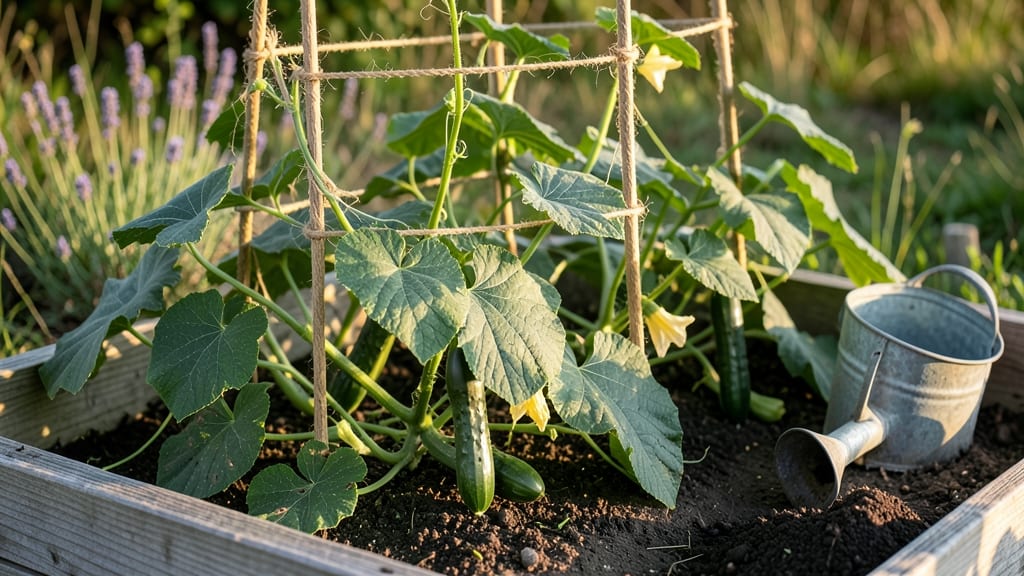
Growing Long English cucumbers means crisp, seedless treasures that taste like summer in every bite—even in cooler climates where other varieties fail. 🌱 I learned the hard way that these cucumbers need patience and the right conditions, but once you master them, they’ll reward you with 24-inch fruits that are the envy of every garden.
The secret starts with soil: these cucumbers thrive in well-draining, fertile soil with a pH between 6.0 and 6.8. Plant them after the last frost when soil temperatures hit at least 60°F, and give them full sun (6-8 hours daily)—they’re sun-worshippers.
Trellising is non-negotiable; their vines can sprawl 10-15 feet, and vertical growth keeps fruits clean and blemish-free. By midsummer, you’ll be harvesting smooth-skinned, sweet cucumbers that stay crisp even when picked large. The key? Consistent watering (1-2 inches per week) and regular pruning to encourage air circulation.
Avoid over-fertilizing—too much nitrogen means leafy vines and few fruits. Perfect for gardeners in Zones 3-8 who love heirloom varieties. Here’s how to set yours up for success!
📚 In This Guide
- What you need
- Instructions
- Tips and common mistakes
- Wrapping up and next steps
What you need
- ● Ready to grow your own long English cucumbers? Here’s everything you’ll need to set up your cool-climate garden for crisp, seedless success! 🌱
Step-by-step instructions for growing long English cucumbers
Here's how I grow these crisp, seedless beauties—even in cooler climates—using tried-and-true techniques.
🌱 Step 1: Start Seeds Indoors for Early Growth
Begin seeds 6-8 weeks before your last frost date in biodegradable pots filled with seed-starting mix. English cucumbers thrive when transplanted as sturdy seedlings, not direct-sown. I sow 2-3 seeds per pot at ½-inch depth—they're large seeds, so no need to bury them deep. Keep the soil consistently moist at 70-75°F for germination, which typically takes 7-10 days.
Once sprouts appear, remove the weakest seedling, leaving the strongest. Place pots under grow lights (14-16 hours daily) to prevent leggy growth. You'll know they're ready for transplant when they develop 3-4 true leaves and a thick stem—usually after 4-6 weeks. Real talk: If you skip this step, your vines will struggle in cool soil, leading to poor fruit set.
☀️ Step 2: Harden Off and Transplant After Warmth Arrives
Start hardening off 10-14 days before transplanting by placing seedlings outside in partial shade for 1-2 hours the first day. Gradually increase exposure over 7-10 days, ending with full sun. English cucumbers need full sun (6+ hours daily) and soil temps above 60°F—they won’t thrive in cold ground. I wait until nighttime temps stay above 55°F before planting.
Transplant seedlings 12-18 inches apart in mounds or hills (3-4 plants per mound) to improve drainage and warmth. Bury the stem deep—up to the first true leaves—this encourages stronger root growth. Water deeply right after transplanting to settle the soil and reduce shock. Watch for wilting in the first 24 hours—this is normal, but if it persists beyond 48 hours, your plants may need more shade temporarily.
🪴 Step 3: Provide Support and Consistent Care
Install a 5-6 foot tall trellis or sturdy cage immediately after transplanting—English cucumbers grow 12-18 feet long and need support to prevent sprawling. Gently weave vines through the trellis as they grow; don’t force them, or you’ll snap tender stems. Mulch around the base with straw or shredded leaves to retain moisture and suppress weeds. Keep soil consistently moist (but not soggy) by watering at the base in the morning—1-1.5 inches per week is ideal.
Fertilize lightly with a balanced organic fertilizer (10-10-10) at planting and again when flowers appear. English cucumbers are sensitive to over-fertilizing, so less is more—too much nitrogen leads to leafy growth at the expense of fruit. Watch for yellowing leaves, which can signal overwatering or nutrient imbalance. Prune any leaves touching the soil to prevent disease, and remove male flowers (smaller, no fruit) to redirect energy to female flowers (with tiny fruit bumps at the base).
✂️ Step 4: Harvest for Maximum Crispness and Productivity
Harvest when cucumbers reach 12-18 inches long—they won’t get much bigger, and waiting too long makes them seedy and bitter. Use pruning shears to cut stems cleanly, leaving a small portion attached to encourage more fruit. I harvest every 2-3 days in peak season to keep production going. Store unwashed cucumbers in the fridge for up to 5 days—they’ll stay crisp if you avoid ethylene-producing fruits (like apples) nearby.
To extend the season, cover plants with frost cloth when nights dip below 50°F. You’ll still get fruit, though yields slow in cooler temps. If vines die back in fall, save seeds from your best cucumbers for next year—English varieties don’t always come true from store-bought seeds. Here’s the thing: the more you harvest, the more your plants produce, so stay on top of it!
Tips & tricks for growing long English cucumbers in cool climates
These practical strategies will help you overcome cool-climate challenges and grow cucumbers that rival greenhouse varieties.
Seed Starting Precision: Pay close attention to your last frost date when calculating the 6-8 week indoor starting window. I use a garden calendar app that factors in my specific microclimate—some years, I've needed to adjust to 7 weeks when spring arrives particularly late. The key is having sturdy seedlings with 3-4 true leaves ready to transplant, not leggy seedlings that'll struggle in cool soil. Use a heating mat under your seed trays if your home stays below 70-75°F—this ensures consistent germination in 7-10 days without fail.
Harden Off Strategically: The 10-14 day hardening process is where many cool-climate growers fail. Start with just 1-2 hours of morning sun on day one, then increase by 1 hour each subsequent day. Watch for leaf curling or yellowing—these are signs you're progressing too quickly. I've learned to check nighttime temperatures carefully: if they dip below 55°F during hardening, bring seedlings back inside temporarily. This gradual process prevents transplant shock that can set your cucumbers back by weeks.
Transplanting for Success: When you bury stems deep during transplanting (up to the first true leaves), you're creating a stronger root system—but there's a trick to this. After planting, gently mound soil around the base to create a small well for water. This prevents water from running off and keeps roots consistently moist. For the 12-18 inch spacing, I recommend the wider end of this range (closer to 18 inches) in cooler climates—it gives plants room to spread their roots and access warmer soil deeper down. The mound technique also helps retain heat in the soil, which is crucial for cucumbers that need 60°F+ soil temperatures.
Season Extension Secrets: Don't let early fall frost stop your harvest. I've successfully extended my season by using frost cloth combined with a simple row cover technique: install a 5-6 foot trellis and drape the frost cloth over it like a tent, securing the edges with bricks. This creates a microclimate that can protect plants down to 28°F for short periods. For even longer extensions, consider using low tunnels with clear plastic—just make sure to ventilate on warm days to prevent overheating. The cucumbers won't be as productive, but you'll still get some crisp harvests when store-bought options are bland and seedy.
Pro Tips for Long English Cucumber
- These practical strategies will help you overcome cool-climate challenges and grow cucumbers that rival greenhouse varieties.
- Seed Starting Precision: Pay close attention to your last frost date when calculating the 6-8 week indoor starting window.
- Harden Off Strategically: The 10-14 day hardening process is where many cool-climate growers fail.
Frequently asked questions
Got questions about growing long English cucumbers? You’re not alone! Here are answers to the most common queries to help you cultivate crisp, seedless perfection—even in cooler climates.
How long does it take for long English cucumbers to mature?
With proper care, these cucumbers typically reach harvestable size in 50–65 days after planting. Start checking vines for 12–18-inch cucumbers when they’re firm but still tender. Pro tip: Use a soft touch—overripe cucumbers turn seedy and bitter!
Can I grow long English cucumbers in cold climates?
These cucumbers thrive in USDA Zones 4–9 with a 55–75°F growing range. For cooler areas, plant after the last frost, use row covers, or grow them in containers near your home for warmth. Pro tip: Extend the season with a cold frame or greenhouse!
What’s the difference between long English cucumbers and regular slicing cucumbers?
Long English cucumbers are seedless, thinner-skinned, and lack the bitter "seeds" found in standard varieties. They’re also longer (12–24 inches) and sweeter, making them ideal for salads, snacks, and gourmet dishes. Pro tip: Try them in tzatziki or pickled for a restaurant-worthy twist!
Why are my long English cucumbers turning yellow or bitter?
Yellowing or bitterness usually signals overmaturity, stress, or uneven watering. Harvest promptly when firm, and ensure consistent moisture—1–1.5 inches per week. Too much heat or drought can also trigger bitterness. Pro tip: Mulch to retain moisture and shade plants during scorching afternoons.
Can I grow long English cucumbers in containers?
Yes! Choose a 5-gallon pot or larger with drainage holes, and use a lightweight potting mix. Train vines with a trellis to save space. Just ensure containers stay consistently hydrated and get 6+ hours of sunlight daily. Pro tip: Add compost to boost nutrients in compacted soil!
Wrapping up and next steps
Growing long English cucumbers in cool climates is totally doable—and oh-so-rewarding!
With the right variety, support, and patience, you’ll soon be harvesting those crisp, seedless gems straight from your garden. 🌱 Whether you’re a beginner or a seasoned gardener, every slice of progress is a victory worth celebrating.
Ready to take the next step? Start small—try a single trellis or a few plants—and let their success inspire bigger experiments. Before you know it, you’ll be sharing your homegrown cucumbers with neighbors (or turning them into gourmet pickles!). Happy growing! 🌿